Metallurgy Hydraulic Cylinder: Design, Performance And Industrial Applications
Release time:2026-06-08 Visits:261
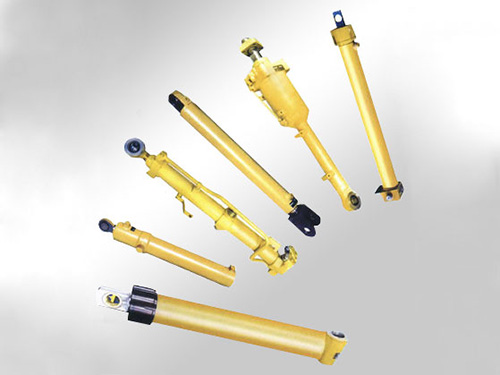
Metallurgy hydraulic cylinder is a critical power component specifically designed for harsh metallurgical environments, widely used in steelmaking, rolling, and continuous casting equipment. Its ability to withstand high pressure, high temperature, and severe wear directly determines the operational stability and production efficiency of metallurgical machinery. This article concisely elaborates on its core characteristics, design key points, material selection, typical applications, and maintenance essentials, providing a professional reference.
1. Core Characteristics and Working Requirements
Tailored for metallurgical scenarios, this cylinder features high pressure-bearing capacity (up to 31.5 MPa), excellent high-temperature resistance (adapting to 80-150℃), and strong wear/corrosion resistance. It can endure alternating loads, impact forces, and erosion from dust, molten slag, and corrosive media, requiring robust structural design and reliable sealing performance.
2. Design and Material Selection
Key design parameters include bore diameter tolerance (H7-H9), stroke length, and sealing structure. The cylinder body and piston rod are optimized for anti-bending and anti-fatigue, while the sealing system adopts high-temperature resistant materials to prevent hydraulic medium leakage.
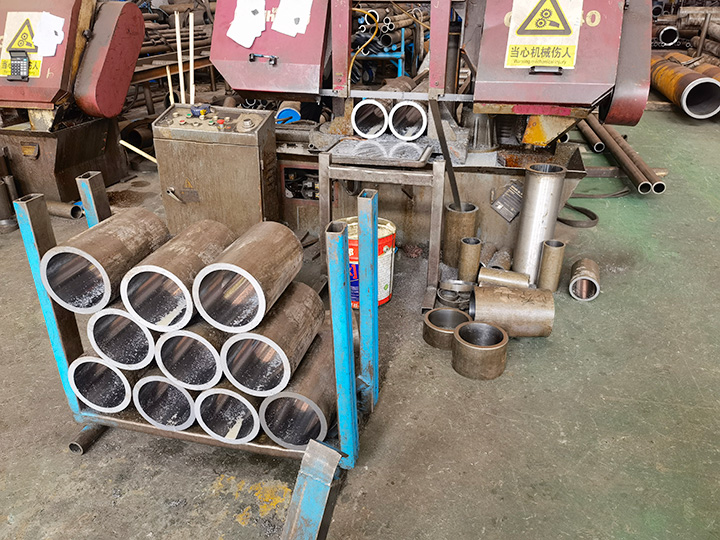
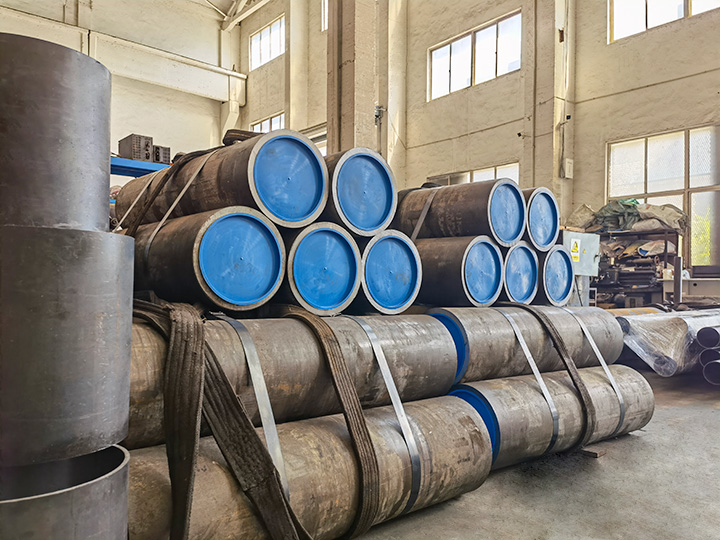
Common materials: cylinder body (45# steel, 27SiMn, 40Cr) with quenching-tempering treatment; piston rod (40Cr, 35CrMo) with chrome plating for wear resistance. For severe corrosion, stainless steel (316L) is adopted to extend service life.
3. Typical Applications
It is widely used in core metallurgical equipment: continuous casting machines (clamping, guiding), rolling mills (rolling force transmission), blast furnaces (charging, tapping), and steelmaking converters (tilting, slagging), serving as the core power source for key operations.
4. Maintenance Essentials
Regular inspection of cylinder body deformation, piston rod wear, and sealing performance; periodic replacement of hydraulic oil and filters to avoid medium pollution; timely cleaning of surface dust and slag to prevent corrosion and wear, ensuring long-term stable operation.
Conclusion
As a core power component in metallurgical equipment, metallurgy hydraulic cylinder plays an irreplaceable role in ensuring efficient and stable production. Its professional design and high-performance material selection enable it to adapt to harsh metallurgical working conditions.