Hydraulic Cylinder: Components, Types And Custom Manufacturing
Release time:2026-11-02 Visits:0
Strip down any hydraulic machine and you will find the same story: pumps make pressure, valves direct it, and cylinders turn it into straight-line motion. The cylinder is where hydraulic power actually does work — and yet it is often treated as a catalogue part. That works, until your machine's requirements do not fit the catalogue.
What Is a Hydraulic Cylinder?
A
hydraulic cylinder is an actuator that converts hydraulic pressure into linear force and motion. Pressurized oil enters one side of the piston, pushes it along the bore, and the rod extends or retracts to move the load. Force comes from pressure times piston area; speed comes from oil flow. It is the muscle of nearly every piece of heavy equipment on a worksite.
Main Components of a Hydraulic Cylinder
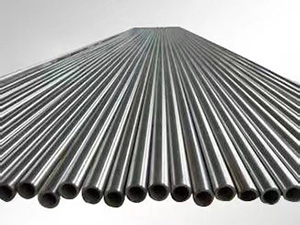
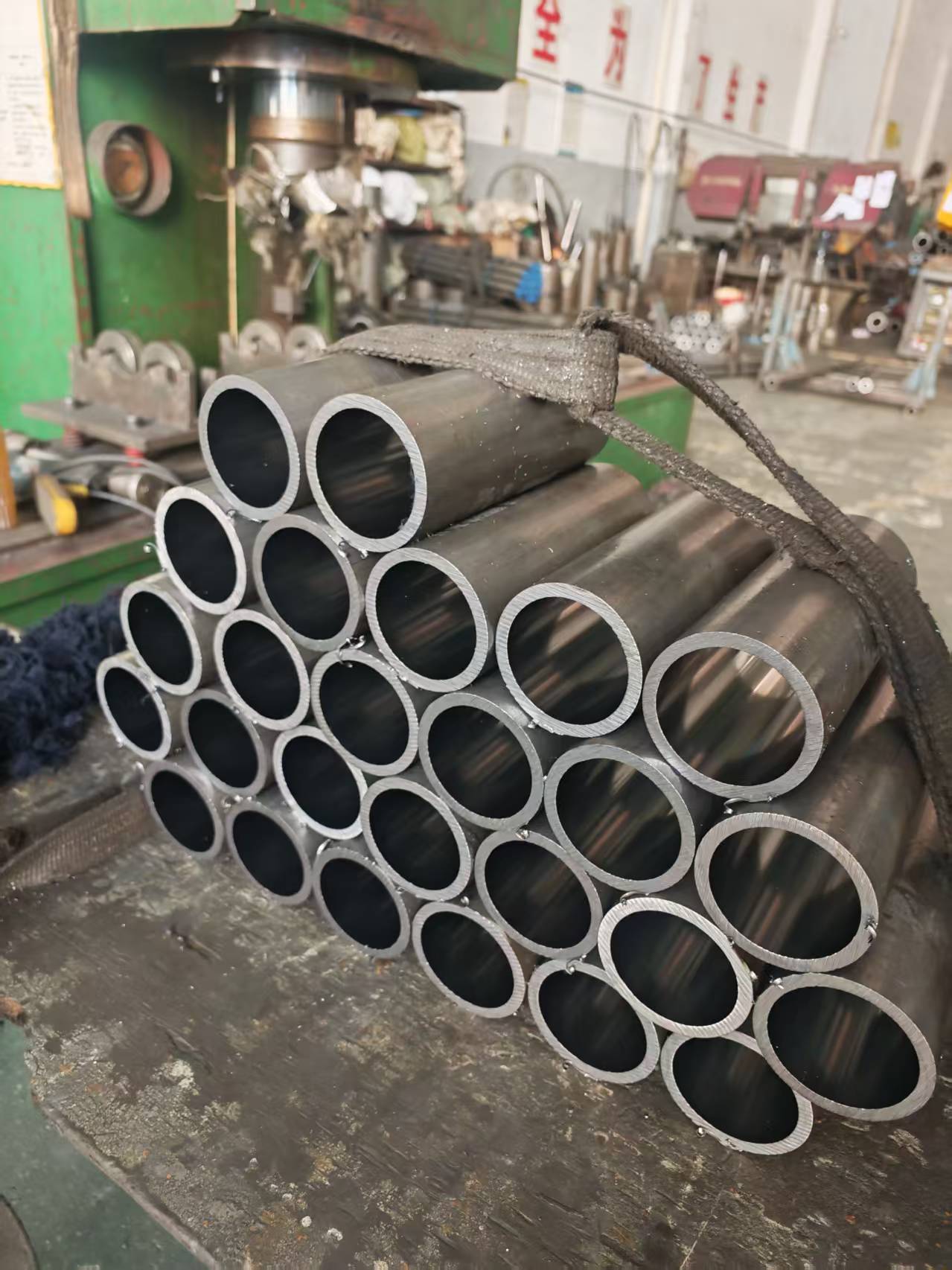
Barrel — the tube that contains the pressure and guides the piston. Precision bore, finished surface, seamless steel in most cases.
Piston — fits the bore, carries the piston seals, and splits the chamber into two working sides.
Piston rod — transmits the force out of the cylinder. Hardened and chrome-plated for wear and corrosion resistance.
Seals — the rod seal keeps oil in, the wiper keeps dirt out, and piston seals separate the two chambers.
End caps and heads — close the barrel, carry the rod gland, the ports and the cushioning.
Mountings and accessories — flanges, clevises or trunnions, plus ports sized for the required flow.
How a Hydraulic Cylinder Works
Oil under pressure enters through one port and pushes against the piston face. The piston moves, the rod extends, and the oil on the other side returns to the tank. Reverse the flow and the rod retracts. Double-acting cylinders push in both directions; single-acting ones rely on gravity or a spring for the return stroke. In all cases the barrel must stay round and true, because the piston and seals slide on it every cycle.
Common Types of Hydraulic Cylinders
Tie-rod cylinders — end caps held by long bolts; easy to service and rebuild. The classic industrial workhorse.
Welded cylinders — barrel and end caps welded together; more compact and stronger, the norm for mobile and high-pressure equipment.
Telescopic cylinders — nested stages that give a long stroke from a short closed length; dump trucks and lifting platforms.
Single vs double acting — decide whether the cylinder pushes one way or both ways, which changes the seals and ports.
Custom Hydraulic Cylinders: What Can Be Customized
Almost everything on a cylinder can be adapted: bore and stroke, mounting style, port size and position, rod diameter, seal package for the fluid and temperature, barrel and rod materials (alloy steel for pressure, stainless for corrosion), cushioning, and even the paint.
Tengye Machinery designs and builds special cylinders to customer drawings or rough requirements, alongside its standard series. The factory machines the barrel, rod, seals and assembly in-house, and sells in batches or single pieces — which matters when you are repairing an old machine or prototyping a new one and only need one unit.
What to Look for in a Cylinder Manufacturer
Full-process control — raw material to finished product in one factory, no outsourced steps.
Precision bore capability — SRB machines and honing units, not just ordinary lathes.
Material testing — physical and chemical checks on what goes in.
Custom engineering — the willingness and skill to build to your drawing, not just from a catalogue.
FAQ
Q: What is the difference between a cylinder and an actuator?
An actuator is any device that converts a signal into motion. A hydraulic cylinder is the most common linear actuator in hydraulic systems.
Q: Can you build a cylinder to my drawing?
Yes. Custom cylinders are a core part of the business — send the drawing or the operating requirements, and the factory handles design and production.
Q: Do you supply single cylinders for repair work?
Yes. Orders can be single pieces or batches, which suits both maintenance departments and OEM production lines.
Q: What materials are available for the barrel and rod?
Carbon steel and alloy steel (27SiMn, 35CrMo, 42CrMo) for strength, stainless steel for corrosion, with chrome-plated rods as standard where required.
Have a cylinder spec or a problem machine? Contact
Tengye Machinery — custom hydraulic cylinders built to your requirements, +86 18912360300.