High Precision Rolled Tube: Machining Technology, Performance And Industrial Applications
Release time:2026-06-05 Visits:335
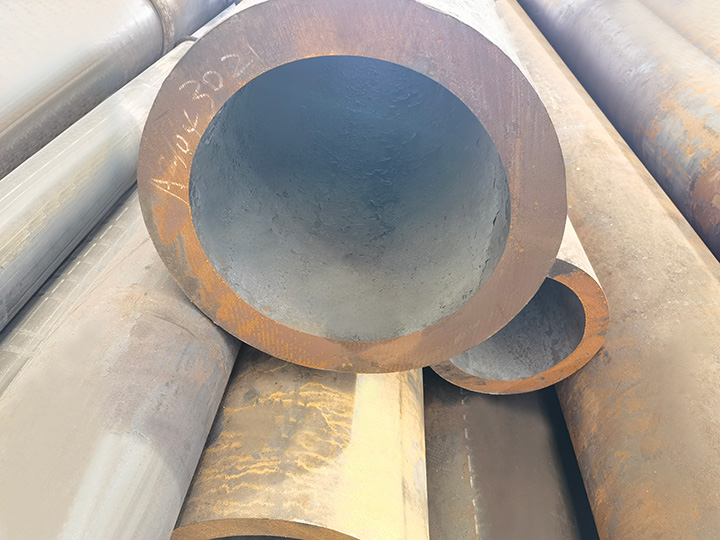
High precision rolled tube (HPRT) is a high-end seamless steel tube manufactured by advanced precision rolling processes, featuring exceptional dimensional accuracy and surface quality. As a critical component in high-precision machinery, hydraulic systems, and aerospace equipment, its rolling precision, mechanical properties, and structural stability directly determine the reliability of end products. This article concisely elaborates on its core characteristics, machining process, material selection, typical applications, and quality control, providing a professional concise reference.
1. Core Characteristics and Performance Advantages
High precision rolled tubes are distinguished by their superior dimensional accuracy—outer diameter tolerance up to ±0.01mm, inner diameter tolerance H6-H8, and uniform wall thickness variation ≤0.02mm. They have an ultra-smooth surface (Ra≤0.2μm), high tensile strength, good toughness, and excellent wear resistance, thanks to precise rolling and heat treatment. Compared with ordinary rolled tubes, they avoid secondary machining, reducing production costs and improving assembly precision.
2. Machining Process and Material Selection
The core process includes blank forging, hot/cold precision rolling, heat treatment (quenching-tempering), and finish polishing. CNC precision rolling mills ensure uniform material deformation, while heat treatment optimizes the internal structure to enhance mechanical properties. Finish polishing further improves surface smoothness and wear resistance.
Common materials include high-quality alloy steel (40Cr, 27SiMn, 35CrMo), high-carbon steel (45#), and stainless steel (304, 316L). Alloy steel is preferred for high-pressure and high-load scenarios, while stainless steel is suitable for corrosive environments.
3. Key Specifications and Quality Control
Standard specifications range from φ8mm to φ180mm in outer diameter and 1mm to 18mm in wall thickness, with custom sizes available. Key quality control includes dimensional inspection (using micrometers, dial gauges), surface defect detection (eddy current, ultrasonic testing), and mechanical performance testing (hardness, tensile strength).
4. Typical Applications and Maintenance
It is widely applied in high-precision hydraulic cylinders, aerospace components, precision shafts, instrumentation, and automotive transmission systems—scenarios requiring strict dimensional control and stable performance.
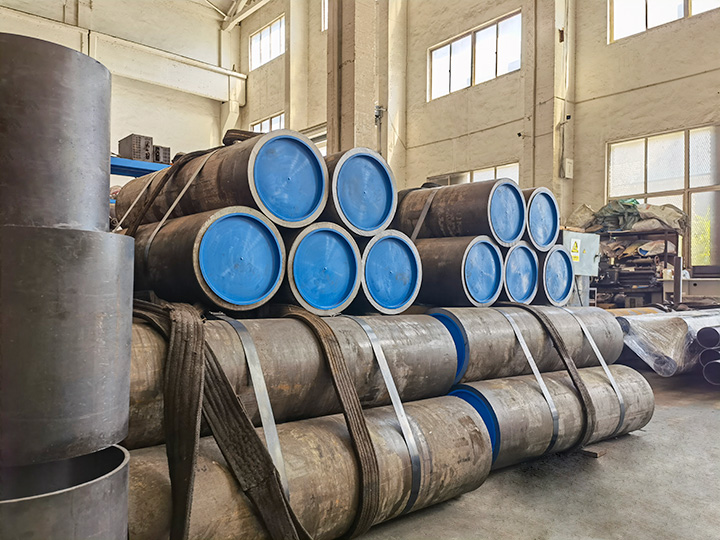
Maintenance focuses on avoiding surface scratches and corrosion, storing in dry and clean environments, and periodic inspection of dimensional stability to ensure long-term reliable operation.
Conclusion
High precision rolled tube is a core component in high-end manufacturing, with its advanced machining technology and superior performance meeting the strict requirements of precision equipment. It plays an irreplaceable role in promoting the development of precision machinery and aerospace industries.