Applications of Roller Burnished Tube
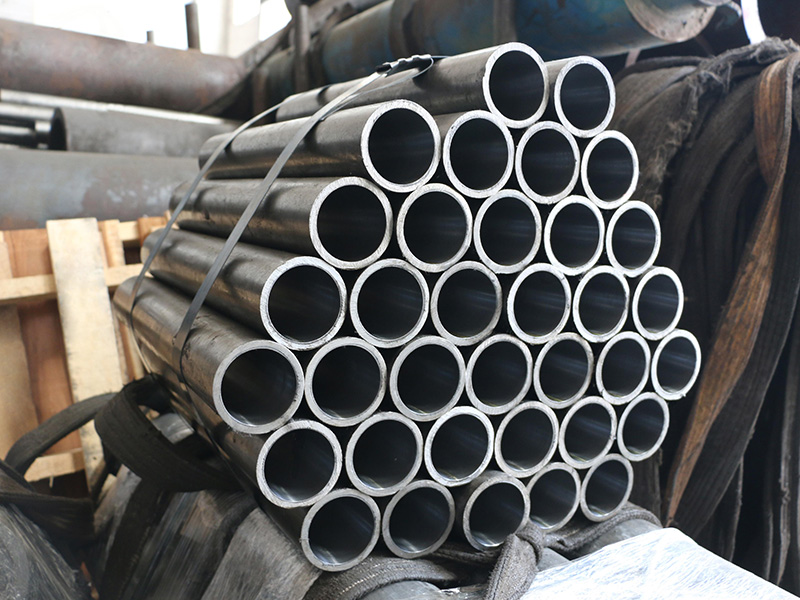
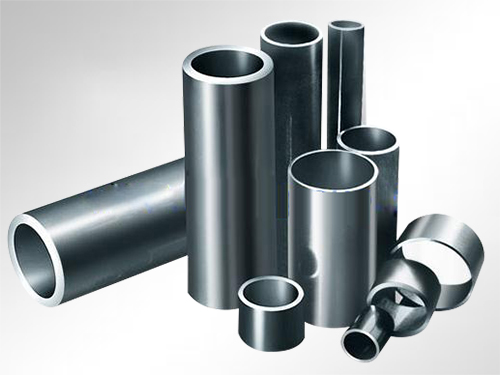
Hydraulic cylinder barrels — especially high-cycle production lines — pneumatic cylinders, shock absorber tubes, pump barrels, bearing seats and any bore where a low-friction, wear-resistant surface pays off. Roller burnished barrels are also a favourite in the skive-and-roller-burnish (SRB) combination, where the tube is cut and finished in one machine, as on Tengye's 9-metre SRB line.
When to Specify Roller Burnished Tube
If you are producing cylinders in volume, roller burnishing is usually the economical choice: fast, chip-free, and it gives you a harder surface than honing. If your design needs the absolute tightest geometry correction — for example, correcting an out-of-round bore from another operation — honing still has the edge. For most cylinder barrels, though, rolled is plenty and cheaper to run.
FAQ
Q: Does roller burnishing remove any material?
No. It displaces the surface peaks into the valleys, which is why the bore size changes only by microns and the surface gets denser.
Q: Is a burnished bore better than a honed one?
For friction and surface hardness, generally yes. For correcting geometry errors, honing is better. The right answer depends on your starting tube and your specification.
Q: What Ra can a rolled tube achieve?
Typical production results are Ra 0.1–0.2 µm. Confirm the actual value with the supplier, because it depends on the pre-machined surface and burnishing parameters.
Q: Can rolled tube be used directly in a cylinder?
In most cases yes — the bore is finished and ready for the piston and seals, which is why SRB-processed barrels go straight to assembly.
Ask
Tengye Machinery about roller burnished tubes and SRB barrels for your production line — +86 18912360300.