Honed Tube: How Honing Works, Tolerances And Where To Use It
Release time:2026-10-12 Visits:0
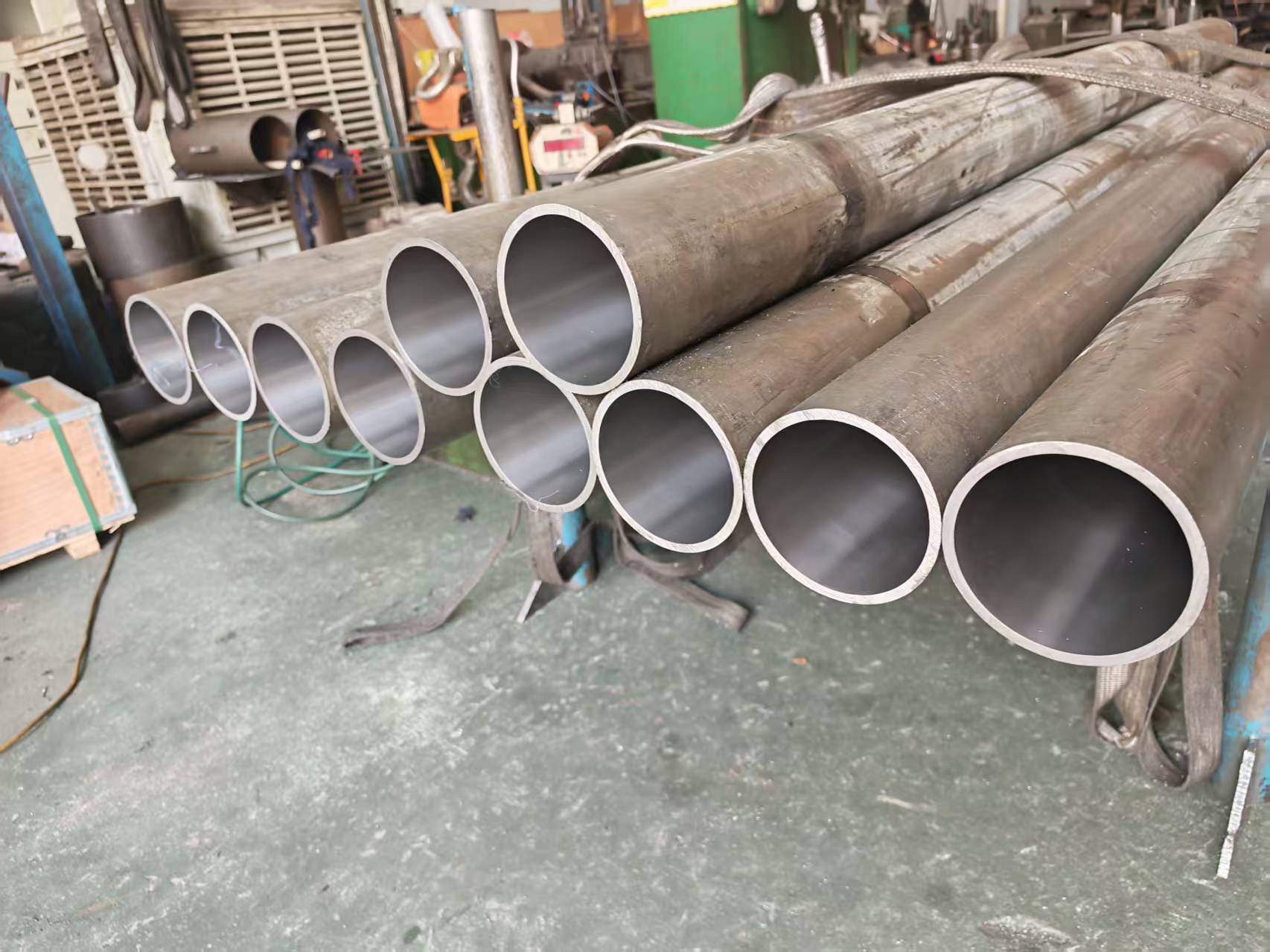
Honed tube is the workhorse of the hydraulic world. Walk through any cylinder factory and you will see racks of it — steel tubes with bores so smooth they catch the light. Honing is the process that puts that finish there. If you are buying cylinders, barrels or tube for machining, understanding honed tube saves you from paying for accuracy you do not need, or ordering the wrong thing entirely.
What Is a Honed Tube?
A
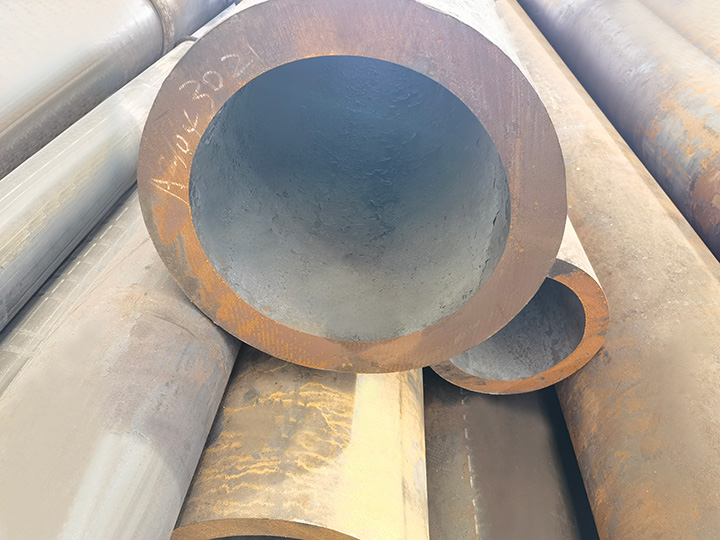
honed tube is a steel tube whose bore has been machined with a honing tool to improve its size, geometry and surface finish. It is the most common bore condition supplied for hydraulic and pneumatic cylinder barrels: the customer machines the outside, welds or bolts on the ends, and the bore is already finished and ready for the piston.
How the Honing Process Works
The honing head carries abrasive stones that expand against the bore as it rotates and moves back and forth at the same time. That combination of rotation and reciprocation leaves the characteristic cross-hatch pattern on the surface. Those fine intersecting lines are not a defect — they are what holds a film of oil and keeps seals happy.
Honing removes stock in very small increments, so it can correct roundness, taper and straightness errors left by earlier operations. It is a finishing process, not a roughing one; it works best on a bore that is already close to size.
Tolerances and Surface Finish
Bore tolerance — H8 or better is commonly specified for cylinder barrels; tighter grades are possible when the design needs them.
Surface roughness — honed bores typically land around Ra 0.2–0.4 µm. At Tengye, honed barrels can reach Ra 0.2 or below, the mirror level that seals love.
Geometry — roundness and straightness are controlled by the process itself; a good honed tube runs true over its full length.
Honed vs Skived vs Cold Drawn Tube
|
Route |
What it does |
Best for |
|
Cold drawn |
Sizes and smooths the raw tube |
Starting stock, thin walls |
|
Skived (bored) |
Cuts the bore to size quickly |
Large bores, heavy stock removal |
|
Honed |
Finishes and corrects the bore |
Final accuracy, mirror finish |
|
Roller burnished |
Cold-works the bore surface |
High production, low friction |
Where Honed Tube Is Used
Hydraulic cylinders, pneumatic cylinders, shock absorber tubes, machine tool cylinders, oil and gas equipment, construction machinery — anywhere a piston slides inside a tube and you want it to keep sliding for years. The finer the bore, the lower the friction, the longer the seal life, and the less the machine leaks.
How to Order Honed Tube
Specify the bore (ID) and tolerance, the finished length, the material grade, the surface finish you need, and whether the ends require machining. And be honest about the tolerance you really need — specifying H8 when H11 would do only raises the price. A reputable supplier, including Tengye, will tell you when you are over-specifying.
FAQ
Q: What is the typical surface finish of a honed tube?
Ra 0.2–0.4 µm is common for cylinder bores. Finer finishes are achievable with longer honing cycles, which cost more.
Q: Can honing fix an out-of-round bore?
Yes, within limits. Honing removes small amounts of stock uniformly and is the standard way to correct roundness and taper. It cannot fix a tube whose wall is too thin to leave enough material.
Q: Do I need to machine the bore after buying honed tube?
No. That is the point — the bore comes finished. You machine the outside, cut to length and assemble.
Q: Does Tengye supply honed tubes and honed barrels?
Yes. The company runs honing machine units in-house and supplies honed tubes and honed cylinder barrels in carbon steel, alloy steel and stainless, from single pieces to batches.
Send your bore size and length to
Tengye Machinery for a honed tube quote — +86 18912360300.