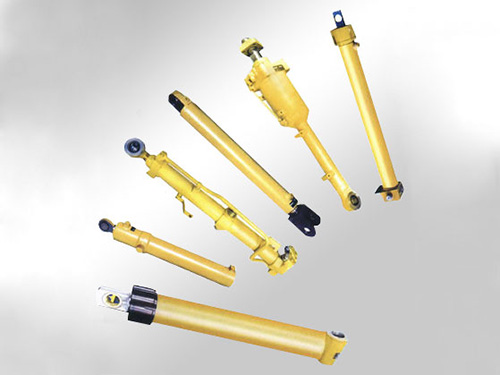
How To Choose The Right Hydraulic Cylinder For Your Application
Release time:2026-04-10 Visits:380
Selecting the appropriate hydraulic cylinder is critical for achieving optimal system performance, reliability, and longevity. With numerous configurations available, understanding the key selection criteria helps engineers make informed decisions that balance performance requirements with cost considerations.
Understanding Application Requirements
Before beginning the selection process, clearly define the application's operating parameters. The fundamental requirements include maximum operating pressure, cylinder stroke length, loading direction, and environmental conditions. These factors form the foundation for all subsequent decisions.
Consider the dynamic forces the cylinder will encounter. Push and pull forces differ significantly, and the mounting configuration affects load capacity. Double-acting cylinders provide controlled movement in both directions, while single-acting cylinders use gravity or springs for return motion. Your application determines which type is appropriate.
Sizing Calculations
Proper sizing ensures the cylinder generates sufficient force while operating efficiently. The basic force calculation uses the formula: Force = Pressure × Effective Area. The effective area differs between extend and retract strokes due to the piston rod.
Consider the required cylinder speed alongside force requirements. Flow rate determines speed, so ensure the selected cylinder diameter can achieve the desired velocity at your available flow rate. Undersized cylinders may move too slowly, while oversized cylinders waste energy and increase costs.
Mounting Configurations
The mounting method significantly impacts cylinder performance and service life. Common configurations include flange mount, clevis mount, trunnion mount, and rod eye mount. Each offers advantages for specific applications.
Flange mounts provide excellent rigidity and are suitable for applications with consistent loading along the cylinder axis. Cledger pin or trunnion mounts accommodate slight angular misalignment. Rod eye mounts allow pivot connections but require proper alignment to avoid side loading.
Seal Selection
Seal selection directly affects cylinder reliability and maintenance intervals. Common seal types include O-rings, U-cups, V-rings, and piston seal assemblies. The choice depends on pressure, temperature, and fluid compatibility requirements.
Standard nitrile seals work well for typical mineral oil applications at moderate temperatures. For higher temperatures or aggressive fluids, consider seals constructed from materials like Viton or polyurethane. Consult with seal manufacturers or suppliers to verify compatibility with your specific operating conditions.
Cylinder Tube Material
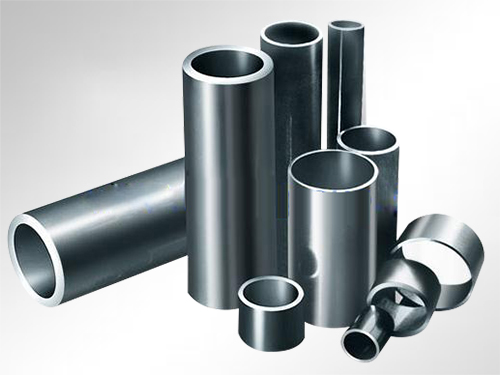
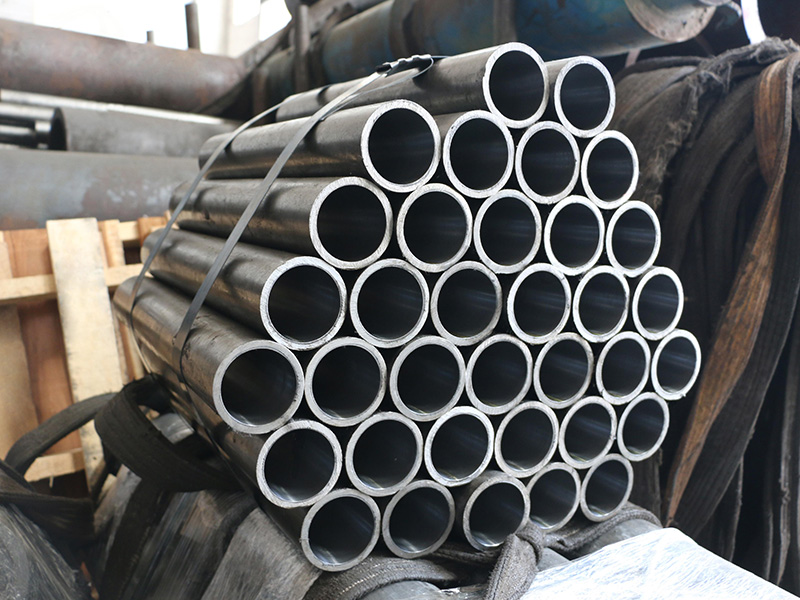
The cylinder tube material must withstand operating pressure, resist internal wear, and resist corrosion when necessary. As discussed earlier, carbon steel tubes serve general applications, while alloy steels or stainless steels address more demanding environments.
Consider whether the application involves pulsating pressures or shock loads that may require enhanced fatigue resistance. For food processing or medical applications, stainless steel with appropriate surface finishes ensures compliance with sanitary requirements.
Rod Diameter and Material
The piston rod must transmit the full cylinder force while resisting buckling. Larger diameter rods provide greater rigidity and higher buckling resistance. Calculate the rod diameter based on the maximum compressive load and the unsupported length between mounts.
Surface treatment options for piston rods include chrome plating, induction hardening, and various coating systems. Hard chrome plating provides excellent wear resistance and corrosion protection. For highly corrosive environments, consider stainless steel rods or specialized coating systems.
Quality Considerations
The lowest-cost cylinder may prove expensive over its service life due to frequent maintenance or premature failure. Consider the manufacturer's quality processes, testing procedures, and reputation in the industry. Look for cylinders that meet relevant standards and specifications.
Wuxi Tengye manufactures hydraulic cylinders using quality-controlled processes and rigorous testing. Our engineering team assists customers with selection, ensuring the chosen configuration matches application requirements. We offer both standard products and custom designs for specialized applications.
Documentation and Support
Verify that selected
cylinders come with complete documentation including test certificates, assembly drawings, and maintenance instructions. Confirm availability of spare parts and technical support for troubleshooting during the product's service life.
Careful attention to selection criteria ensures you receive a cylinder that performs reliably throughout its service life. The investment of time in proper selection pays dividends in reduced maintenance costs and improved system uptime.