Understanding The Hydraulic Cylinder Barrel Manufacturing Process
Release time:2026-04-03 Visits:373
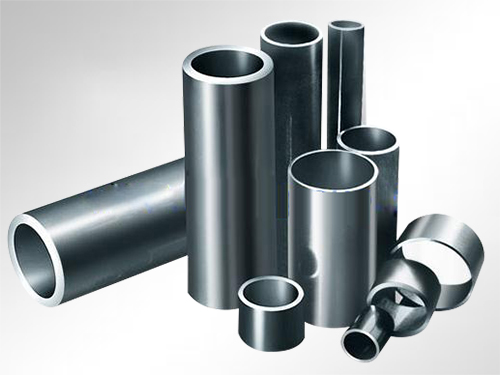
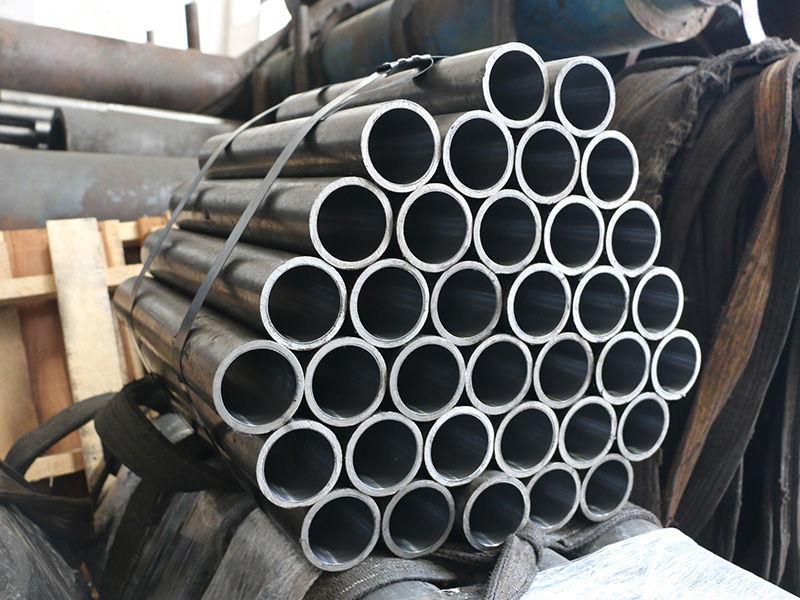
Hydraulic cylinder barrels serve as the foundation of hydraulic cylinder assemblies, providing the sealed chamber where pistons convert fluid pressure into linear mechanical force. The manufacturing process for these critical components involves multiple precision stages, each contributing to the final product's performance and reliability.
Raw Material Selection
The quality of the finished
cylinder barrel begins with proper material selection. Common materials include carbon steels (20, 35, 45), alloy steels (27SiMn, 25Mn), and stainless steels (304, 316L). The choice depends on the application's pressure requirements, environmental conditions, and cost considerations.
Carbon steel tubes provide good strength and toughness for general hydraulic applications. Alloy steels offer enhanced properties for high-pressure or demanding environments. Stainless steel barrels are essential when corrosion resistance is paramount, such as in marine or chemical processing applications.
Initial Preparation
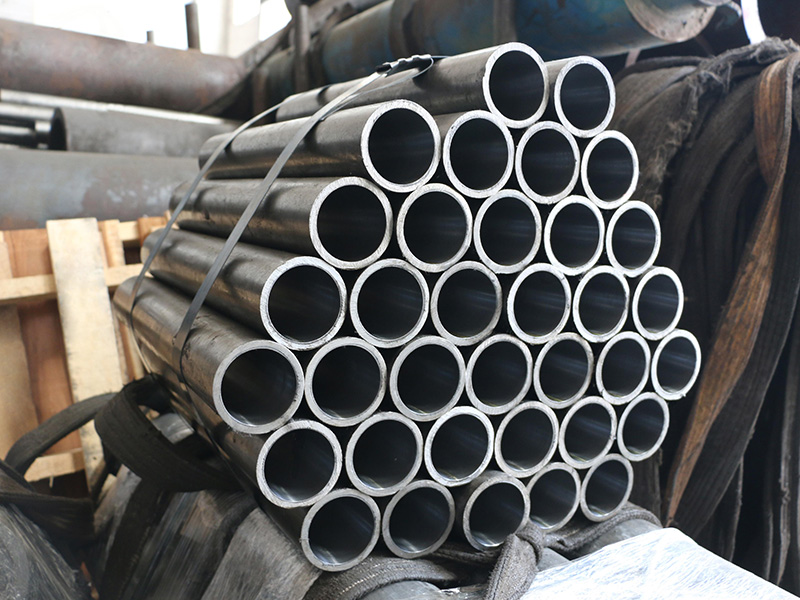
Before precision machining, the raw tube undergoes preparation processes. This includes cutting to the required length and straightening to remove any bow or twist introduced during transportation or storage. Straightening is critical as even minor deviations can cause issues during the final machining and assembly stages.
The tubes then receive surface cleaning to remove any rust, scale, or contaminants. This cleaning ensures that subsequent processing steps achieve optimal results and prevents surface defects from being propagated through the manufacturing process.
Boring Operations
Boring represents the primary precision machining operation for cylinder barrels. During boring, a cutting tool removes material from the internal diameter to achieve the required dimension and surface finish. Modern boring operations employ precision machine tools with computer-controlled positioning to ensure consistent results.
The boring process typically proceeds in multiple passes, starting with rough boring to remove the majority of material efficiently, followed by finish boring to achieve the final dimensions and surface quality. The depth of cut decreases with each pass, allowing the cutting forces to diminish while maintaining dimensional accuracy.
Honing for Superior Surface Quality
After boring, many cylinder barrels undergo honing to achieve the exceptional surface quality required for hydraulic applications. Honing uses abrasive stones to create a cross-hatched pattern on the inner surface, improving oil retention and reducing friction.
The honing process achieves surface roughness values of Ra 0.2-0.4μm, creating an ideal surface for piston seals to operate against. This mirror-like finish minimizes wear on seals and extends the service life of the cylinder assembly. Honing also corrects any minor geometric errors remaining from the boring operation, improving roundness and straightness.
Rolling Process
An alternative or complementary surface treatment is rolling, which uses hardened steel rollers to compress the inner surface rather than cutting material away. The rolling process work-hardens the surface layer, improving wear resistance and creating a favorable residual stress pattern.
Rolling offers significant productivity advantages over honing for high-volume production. A single rolling operation can process a one-meter cylinder in 10-30 minutes, compared to several hours for traditional grinding methods. The resulting surface also demonstrates excellent oil-holding capability.
Quality Control
Throughout the manufacturing process, rigorous quality control ensures that each barrel meets specifications. Dimensional checks verify internal diameter, wall thickness, and length. Surface roughness is measured using profilometers. Geometric tolerances including straightness, roundness, and wall thickness variation are verified using specialized equipment.
Non-destructive testing methods such as ultrasonic inspection detect internal defects that could compromise structural integrity. Hydrostatic testing applies working pressure to verify leak-free performance before the barrel is released for assembly.
Surface Protection
Finished cylinder barrels receive surface treatments to protect against corrosion during storage and shipment. Options include oil coating for short-term protection, phosphating for medium-term storage, or custom coating systems for specific customer requirements.
The manufacturing process concludes with final inspection and documentation. Each barrel is traceable back to its raw material batch, enabling quality tracking and ensuring accountability throughout the production chain. This comprehensive approach to cylinder barrel manufacturing delivers components that perform reliably in demanding hydraulic applications.