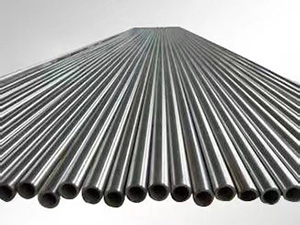
Stainless Steel Cylinder Barrels: Advantages And Applications
Release time:2026-05-15 Visits:369
While carbon steel dominates many
hydraulic cylinder applications, stainless steel cylinder barrels offer unique advantages for specific environments. Understanding when to specify stainless steel helps engineers select the optimal material for their application requirements.
Corrosion Resistance Benefits
Stainless steel's primary advantage lies in its excellent corrosion resistance. The chromium content forms a passive oxide layer that protects against atmospheric and chemical attack. This protection makes stainless steel the choice for applications where carbon steel would rapidly deteriorate.
Marine environments present significant corrosion challenges. Saltwater rapidly attacks carbon steel, even with protective coatings. Stainless steel cylinders operate reliably in marine applications without the maintenance demands of protected carbon steel. Offshore platforms, marine vessels, and coastal facilities benefit from stainless steel components.
Chemical processing applications often involve corrosive fluids that attack carbon steel. Stainless steel resists attack from many chemicals, extending cylinder service life in these demanding environments. Proper grade selection ensures compatibility with specific chemicals.
Temperature Range Capabilities
Stainless steel performs reliably across a wider temperature range than carbon steel. Standard stainless grades maintain mechanical properties from cryogenic temperatures through elevated temperatures. This versatility supports applications from cold storage to high-temperature processes.
Cryogenic applications benefit from stainless steel's toughness at low temperatures. Carbon steel becomes brittle in cryogenic service, limiting its use. Austenitic stainless steels retain toughness to absolute zero, making them suitable for liquefied gas handling.
High-temperature applications also favor stainless steel. While mechanical properties decrease at elevated temperatures, stainless steel maintains reasonable strength to much higher temperatures than carbon steel. This capability serves applications like steam handling and thermal processing.
Cleanliness Requirements
Industries with stringent cleanliness requirements prefer stainless steel. The non-porous surface prevents bacterial growth and enables thorough cleaning. Food processing, pharmaceutical, and medical applications demand these characteristics.
Food processing equipment must withstand frequent cleaning and sanitation. Stainless steel resists cleaning chemicals and high-pressure washdown. The smooth surface prevents material buildup that could harbor contaminants.
Medical devices and equipment benefit from stainless steel's cleanability. Surgical instruments, diagnostic equipment, and patient care devices use stainless steel for this reason. Hydraulic cylinders in these applications must match the overall material requirements.
Surface Finish Options
Stainless steel cylinder barrels achieve excellent surface finishes through proper processing. The base metal accepts polishing to mirror finishes suitable for critical applications. This capability serves industries requiring specific surface characteristics.
Internal surface finish affects fluid flow and contamination retention. Polished stainless steel surfaces minimize particle adhesion and enable thorough cleaning. This characteristic supports applications where contamination control is critical.
External surface finishes range from standard mill finishes to decorative treatments. The appropriate finish depends on the application environment and appearance requirements. Consult with manufacturers regarding available options.
Material Selection Considerations
Several stainless steel grades serve cylinder barrel applications. Type 304 provides good general corrosion resistance and is suitable for many environments. Type 316 adds molybdenum for improved resistance to chlorides and acidic conditions.
For highly corrosive environments, specialized grades may be necessary. Duplex stainless steels offer enhanced corrosion resistance with good mechanical properties. Super-austenitic grades provide maximum corrosion resistance for the most demanding applications.
The selected grade must match the application environment. Over-specifying increases cost unnecessarily, while under-specifying leads to premature failure. Material selection requires careful analysis of all environmental factors.
Mechanical Property Considerations
Stainless steel typically has lower yield strength than comparable carbon steel. This difference may require thicker walls to achieve equivalent pressure ratings. Design calculations must account for the specific properties of the selected stainless steel grade.
Work hardening during manufacturing increases stainless steel strength. Cold drawn or rolled stainless steel tubes achieve higher strengths than annealed material. This process enables optimized designs that balance strength requirements.
Fatigue resistance requires attention in cyclic applications. Certain stainless steel grades and tempers provide better fatigue performance. Testing verifies material suitability for demanding cyclic applications.
Cost Considerations
Stainless steel costs significantly more than carbon steel. Material costs may be three to ten times higher depending on the specific grade. This cost premium requires justification through application requirements.
Total cost of ownership may favor stainless steel despite higher material costs. Reduced maintenance, extended service life, and avoided replacement costs offset initial investment. Lifecycle cost analysis often favors stainless steel in corrosive environments.
Wuxi Tengye manufactures stainless steel cylinder barrels in various grades to meet application requirements. Our engineering team assists with material selection to ensure appropriate grade specification. We offer both standard and custom designs in stainless steel.
Application Recommendations
Specify stainless steel cylinder barrels for applications involving corrosion, temperature extremes, or cleanliness requirements. Marine, chemical processing, food processing, pharmaceutical, and medical applications commonly justify stainless steel selection.
The initial cost premium delivers long-term value through extended service life and reduced maintenance. Careful material selection ensures the selected grade matches application demands. Working with experienced manufacturers helps optimize material selection for your specific requirements.