Common Hydraulic Cylinder Failures And Troubleshooting Solutions
Release time:2026-05-18 Visits:351
Hydraulic cylinder failures interrupt operations and require costly repairs. Understanding common failure modes enables faster diagnosis and appropriate corrective action. This guide covers the most frequent cylinder problems and their solutions.
Seal Failures
Seal failures represent the most common cylinder problem. Worn seals allow internal leakage, reducing cylinder force and speed. External seal failures cause leaks that create safety hazards and environmental concerns.
Piston seal wear results in internal leakage between cylinder chambers. Symptoms include reduced force output, slower operation, and unexpected drift when the cylinder should remain stationary. Replacing piston seals restores proper function.
Rod seal wear causes external leakage around the piston rod. This leakage wastes fluid and creates mess around the cylinder. Seal replacement typically resolves rod seal failures, though rod surface damage may require additional attention.
Cylinder Barrel Issues
Internal
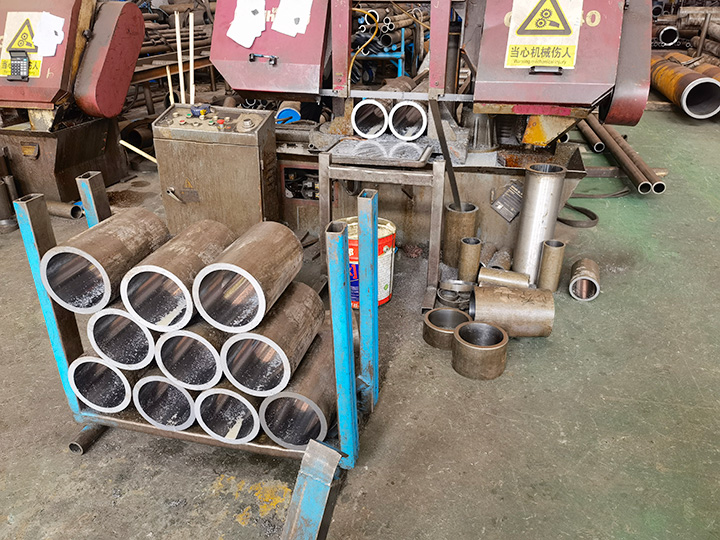
cylinder barrel damage causes various performance problems. Scoring or scratches on the bore surface increase wear on piston seals and may allow internal leakage. This damage often results from contamination or inadequate filtration.
Bore damage inspection requires cylinder disassembly or borescope examination. Minor surface damage may be repairable through honing or specialized machining. Severe damage requires cylinder barrel replacement.
Corrosion on the internal surface indicates fluid compatibility problems or water contamination. Corrosion damages seals and may eventually penetrate the tube wall. Addressing fluid quality prevents future corrosion while damaged barrels require replacement.
Piston Rod Problems
Piston rod surface damage leads to seal failure and leakage. Chrome plating damage exposes the base metal to wear and corrosion. Repair options depend on damage severity, ranging from re-plating to rod replacement.
Bent piston rods cause binding and erratic operation. Minor bending may be correctable through straightening. Severe bending requires rod replacement. Bending often results from overloading or impact damage.
Rod end damage affects connection to the load. Thread damage prevents proper attachment. Repair may involve re-threading or welding a new rod end. Proper connection prevents future damage.
Mounting and Hardware Issues
Loose mounting hardware causes alignment problems and premature wear. Regular inspection and tightening prevents these issues. Replace damaged or stretched hardware during maintenance.
Pivot or trunnion wear creates play and reduces system stiffness. Worn pivot points require replacement or rebuilding. Regular lubrication extends pivot component life.
Cylinder tube elongation under high pressure may damage mounting provisions. This condition results from excessive pressure or insufficient mounting strength. Correcting the underlying problem prevents recurrence.
Performance Symptoms and Diagnosis
Slow cylinder operation indicates flow restrictions or internal leakage. Check for clogged filters, restricted flow path, or internal seal leakage. Systematic diagnosis identifies the specific cause.
Weak or inconsistent force output suggests internal leakage. Worn seals, damaged cylinder bore, or valve problems may cause this symptom. Pressure testing isolates the cylinder from system issues.
Erratic or spongy motion often results from air in the cylinder. Air compression causes inconsistent response. Bleeding the cylinder and checking for air sources addresses this problem.
Preventive Measures
Preventive maintenance catches developing problems before they cause failures. Regular inspection identifies wear and damage requiring attention. Scheduled seal replacement prevents unexpected failures.
Fluid cleanliness directly affects cylinder life. Proper filtration and fluid maintenance extend component service life. Monitor fluid condition and change filters on schedule.
Proper cylinder sizing and selection prevents overload failures. Confirm operating conditions remain within cylinder ratings. System modifications require verification that cylinder capacity remains adequate.
Repair vs. Replacement Decisions
Repair costs vary based on damage extent and cylinder value. Minor seal replacement is economical on most cylinders. Extensive damage may justify replacement over repair.
Remanufactured cylinders offer an alternative to new purchase. Reputable remanufacturers restore cylinders to like-new specifications. This option provides value for quality cylinders with repairable damage.
Wuxi Tengye provides cylinder repair services for customers experiencing failures. Our technical team diagnoses problems and recommends appropriate solutions. We help customers determine whether repair or replacement best serves their needs.
Professional Support
Complex cylinder problems benefit from professional diagnosis. Trained technicians identify root causes that may escape casual observation. Professional repair ensures proper assembly and testing.
Wuxi Tengye supports customers with cylinder troubleshooting and repair services. Our experience with various failure modes enables efficient diagnosis. We provide repair services, replacement cylinders, and technical consultation.
Understanding common failure modes helps prevent problems and enables faster diagnosis when issues occur. Regular maintenance catches developing problems, while appropriate repair decisions restore cylinder function reliably.