Cold Drawn Tubes Vs Hot Rolled Tubes: Which Is Right For Your Application?
Release time:2026-03-27 Visits:361
When selecting
steel tubes for industrial applications, engineers often face the critical decision between cold drawn tubes and hot rolled tubes. Each manufacturing method produces distinct characteristics that make them suitable for different use cases. Understanding these differences is essential for making informed procurement decisions and ensuring optimal performance in your application.
Understanding the Manufacturing Processes
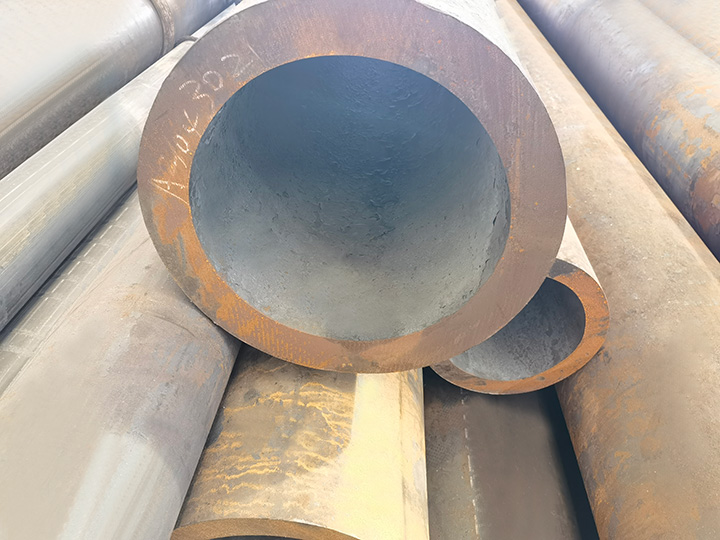
Hot rolled tubes are produced by heating steel above its recrystallization temperature (typically above 900°C) and passing it through rollers to achieve the desired shape. This high-temperature process allows the steel to be easily shaped but results in a rougher surface finish and less precise dimensions.
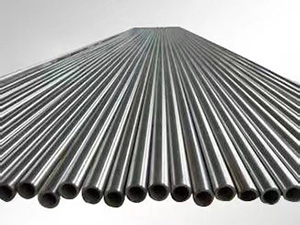
Cold drawn tubes, on the other hand, are manufactured at room temperature or slightly above. The process involves pulling steel through a die to reduce its diameter and wall thickness. This cold working method produces tubes with superior dimensional accuracy and surface quality.
Dimensional Precision and Surface Quality
One of the most significant advantages of cold drawn tubes is their exceptional dimensional tolerance. Cold drawn tubes can achieve tolerance levels of ±0.05mm or better, while hot rolled tubes typically have tolerances several times larger. This precision is critical for applications requiring tight fits, such as hydraulic cylinder barrels where internal clearance directly affects sealing performance.
Surface quality tells a similar story. Cold drawn tubes exhibit a smooth, clean surface with roughness values typically below Ra 1.6μm. Hot rolled tubes, conversely, have surfaces with scale and roughness that often exceed Ra 6.3μm. For applications involving fluid flow, the smoother inner surface of cold drawn tubes reduces friction losses and improves efficiency.
Mechanical Properties
The cold working process also alters the mechanical properties of the steel. Cold drawn tubes demonstrate higher yield strength and tensile strength compared to their hot rolled counterparts. This improvement occurs because the cold deformation creates dislocation patterns that strengthen the material.
However, this comes with a trade-off in ductility. Cold drawn tubes have reduced elongation compared to hot rolled tubes, meaning they are less able to deform before fracturing. For most hydraulic applications, this is not a concern as the tubes are not subjected to significant bending or forming after manufacturing.
Cost Considerations
Hot rolled tubes are generally less expensive to produce due to the simpler manufacturing process and faster production rates. The equipment required for hot rolling is less specialized, and the process consumes less energy overall.
Cold drawn tubes command a premium price, but this cost is often justified by the performance benefits they provide. The precision and surface quality reduce the need for secondary machining operations, and the superior mechanical properties can allow for thinner wall designs that use less material.
Application Suitability
Hot rolled tubes are appropriate for applications where dimensional precision is not critical, and surface appearance is not a concern. Structural applications, conveyor systems, and general fabrication often use hot rolled products successfully.
Cold drawn tubes excel in applications requiring precise dimensions, smooth surfaces, and enhanced strength. Hydraulic and pneumatic cylinder barrels, automotive components, precision instruments, and aerospace applications rely on cold drawn tubes for their superior performance.
Making the Right Choice
When selecting between cold drawn and hot rolled tubes, consider the specific requirements of your application. If your design demands tight tolerances, smooth surfaces, or enhanced strength, cold drawn tubes are the clear choice. For less demanding applications where cost is the primary concern, hot rolled tubes may be appropriate.
At Wuxi Tengye, we specialize in manufacturing high-quality cold drawn tubes for demanding industrial applications. Our precision cold drawn tubes meet the most stringent specifications and are trusted by customers worldwide in hydraulic systems, automotive manufacturing, and precision machinery.
The key is matching the tube characteristics to your application requirements. Investing in the correct tube specification will pay dividends in system performance, reliability, and longevity.