Seamless Steel Tube For Cylinders: Grades, Process And Quality Control
Release time:2026-12-14 Visits:1
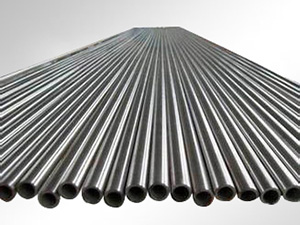
Behind every good hydraulic cylinder is a good tube, and behind most good cylinder tubes is a seamless steel tube that has been drawn, machined and tested until its bore is something you can trust. This article looks at seamless steel tube from the cylinder maker's point of view: why seamless, which grades matter, and how to make sure what you buy is what you think it is.
Why Seamless for Cylinders?
A seamless tube has no longitudinal weld, so there is no seam to crack, no weld zone with different properties, and no risk of a defective weld opening under pressure. For a component that is a pressure vessel by definition, that matters. Welded tube is used in low-pressure applications, but hydraulic barrels are overwhelmingly seamless — and most standards and design practice for high-pressure cylinders assume it.
From Billet to Seamless Tube
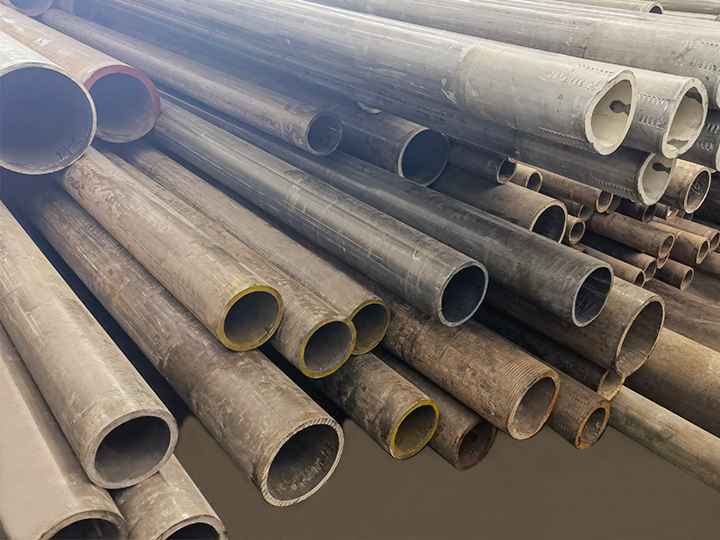
Seamless tube starts as a solid round billet, heated and pierced to form a hollow shell, then rolled to reduce the outside diameter and wall. At that stage it is “hot finished” — accurate enough for many purposes, but with a rough, scaled surface and wide tolerances.
For precision work the tube then goes through cold drawing: pickling, lubrication, drawing through dies, straightening and testing. Cold drawing improves tolerances, surface finish and mechanical properties in one operation — which is why precision cold drawn seamless tube is the standard raw material for cylinder barrels, and the starting point for the honed, skived and rolled tubes that Tengye Machinery produces.
Common Steel Grades
20# (C20) — general purpose carbon steel with good machinability and weldability; common for low-to-medium pressure cylinders.
45# (C45) — higher carbon, stronger; used where strength matters more than a few extra machining minutes.
27SiMn — manganese-silicon steel with good strength after quenching and tempering; a favourite for hydraulic cylinder tubes.
35CrMo / 42CrMo — chromium-molybdenum alloy steels, heat-treatable to high strength and toughness; the choice for high-pressure and heavy-duty cylinders.
Stainless (304/316) — corrosion resistance for food, pharmaceutical and chemical duty.
The grade is a contract between you and the supplier. Make sure the certificate matches the grade you paid for — a cheap “equivalent” can cost you a cylinder.
Heat Treatment
Cold drawn tubes are often supplied as-drawn — strong from cold working — or normalized to restore ductility. Alloy tubes for cylinders are usually quenched and tempered to hit a specified yield strength and toughness. State the condition you need: a tube that is too hard to machine will cost you in tooling, and one that is too soft may not hold the pressure.
Quality Control: What to Demand
Material certificates with the heat number, chemistry and mechanical properties
Dimensional checks on OD, wall thickness and length
Surface inspection for seams, scratches and scale
Non-destructive testing where required — ultrasonic or eddy current for the critical applications
Straightness and concentricity checks, especially for long lengths
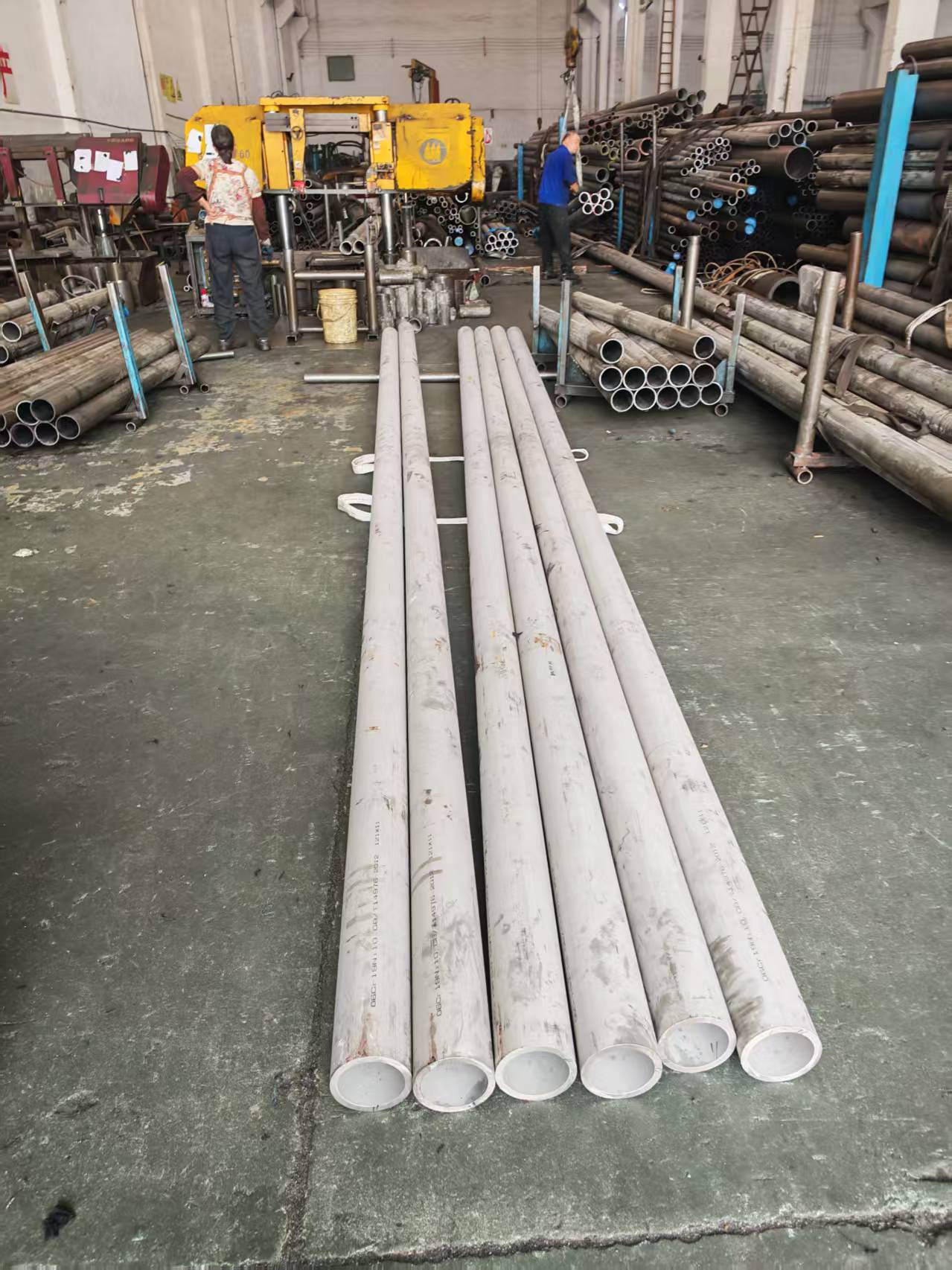
Tengye Machinery runs its own physical and chemical testing in-house and controls the process from raw tube to finished, container-loaded goods — no outsourced steps where quality can quietly get lost. That is the difference between buying steel and buying certainty.
Buying Seamless Tube for Cylinder Production
Give the supplier the finished bore and OD you need, not just a nominal size. Tell them the application pressure and the material grade you want. Ask about cutting to length, end condition, and whether the tube is suitable for honing or skiving in the condition supplied. And buy from someone who will stand behind the certificate — because the tube is the cheapest part of a failed cylinder, but it is the first thing to be blamed.
FAQ
Q: Seamless or welded steel tube for a hydraulic cylinder?
Seamless. The absence of a weld seam removes the weak point and the inspection burden. Welded tube is a cost compromise for low-pressure, non-safety work.
Q: What is the best steel grade for a hydraulic cylinder barrel?
It depends on pressure and environment: 20# and 45# for general industrial duty, 27SiMn for a good strength-to-cost balance, 35CrMo/42CrMo for high pressure, and stainless for corrosion. Discuss the duty with the supplier.
Q: Does cold drawn tube need heat treatment before honing?
Often, yes — drawing hardens the steel, and machining a hard tube is slow and wears tools. Normalizing before heavy machining is common; the right condition depends on the grade and the final requirement.
Q: Does Tengye supply seamless tube ready for cylinder machining?
Yes — cold drawn seamless tubes in various models, supplied further honed, skived or rolled to cylinder-ready condition on request.
Ordering seamless tube for cylinder production? Talk to
Tengye Machinery about grades, condition and further machining — +86 18912360300.