Hydraulic Cylinder Seals: Types, Materials And Groove Design
Release time:2026-12-07 Visits:1
Most cylinder leaks are not the cylinder's fault. They are the seal's — and the seal's life is decided long before the cylinder is assembled, by the groove dimensions, the surface finish, the fluid and the material choice. This article walks through the seals inside a hydraulic cylinder, what each one does, and how to make them last.
What Cylinder Seals Do
Seals in a
hydraulic cylinder do three jobs: keep pressurized oil where it belongs, keep dirt and water out, and let the moving parts slide without scoring. A typical cylinder carries four or five separate sealing functions, each doing one job and relying on the others to do theirs.
Seal Types
Rod seal — the primary dynamic seal on the rod; it stops oil from escaping past the rod gland. The most stressed seal in the cylinder.
Piston seal — separates the two chambers so pressure builds on the right side; usually dynamic in both directions.
Wiper / scraper — sits in front of the rod seal and scrapes dirt, dust and moisture off the rod as it retracts. Cheap, and it saves the expensive seal behind it.
Static seals — O-rings between the barrel and end caps. No relative motion, simple squeeze seals, and still a common leak point when the groove is wrong.
Guide / bearing rings — not seals in the strict sense, but they carry side loads and stop metal-on-metal contact, which protects the seals from being crushed.
Cushion seals and specials — fitted where the cylinder has end-of-stroke cushioning.
Seal Materials
NBR (nitrile) — the default for mineral oils at moderate temperatures. A good all-rounder and inexpensive.
Polyurethane (PU) — excellent wear and extrusion resistance; the common choice for rod seals in demanding duty.
PTFE — very low friction and a wide temperature range; used for high-speed and low-stick-slip applications, usually with a spring or O-ring energizer.
FKM (Viton) — for heat and aggressive fluids where nitrile swells or hardens.
HNBR — nitrile with better heat and chemical resistance, a middle ground for hot, hard-working machines.
Material choice is a compromise: a stiffer seal resists extrusion better, but a softer one seals better against an imperfect surface. The manufacturer's data sheet — not a guess — decides what fits your fluid, temperature and pressure.
Groove Design and Surface Finish
Groove dimensions — width, depth and clearances — come from the seal standard, with ISO 5597 a common reference for housings. Two details matter more than people think:
Extrusion gap — the clearance between the rod and the gland must be small enough that the seal cannot squeeze into the gap under pressure. Pressure spikes are what extrude seals.
Counterface finish — the rod should be Ra 0.2 µm or better, the bore Ra 0.2–0.4 µm, and both free of machining spirals. A rough counterface grinds the seal away.
Surface hardness matters too: a soft rod wears faster than the seal does, and then the worn rod grinds the next seal.
Common Seal Failure Modes
Extrusion — too large a gap, too soft a seal, or pressure spikes beyond the rating.
Wear — contaminated oil, rough surfaces or dry running.
Dry running — no oil film on the rod at start-up; the seal squeals and wears out fast.
Contamination — dirt cuts the seal; the wiper is the first line of defence, so never delete it to save money.
Wrong material — seals that swell or go brittle from a fluid they were never meant to touch.
Seals in Custom Cylinders
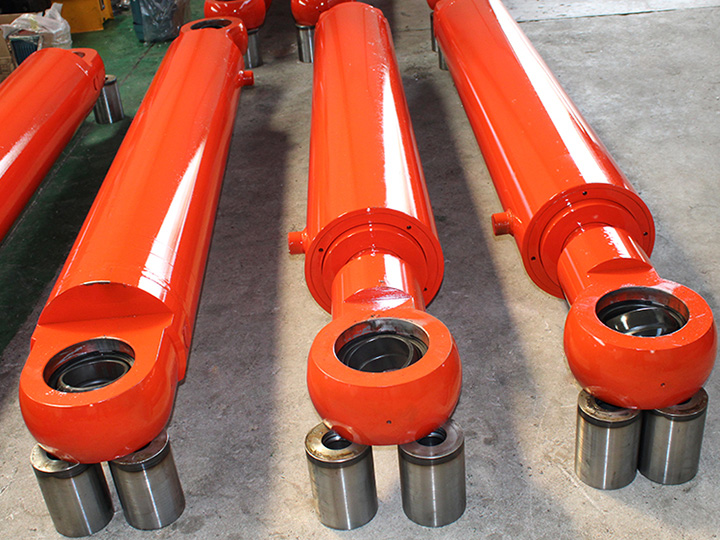
When you order a custom cylinder, say what the fluid is, the temperature range, whether there is external dirt or washdown, and the duty cycle. That lets the builder fit the right combination — polyurethane rod seals with PTFE guide rings for a long-life machine, for example, or FKM throughout for a hot, aggressive environment. Tengye Machinery assembles cylinders with the seal package matched to your application.
FAQ
Q: How often should cylinder seals be replaced?
It depends on the duty, fluid cleanliness and temperature. A clean, well-finished cylinder can run hundreds of thousands of cycles; contaminated oil can kill seals in weeks. Watch for external weeping and a slow drop in pressure-holding.
Q: What is the difference between a rod seal and a wiper?
The rod seal keeps oil in; the wiper keeps dirt out. They work as a pair — the wiper protects the rod seal from abrasive contamination.
Q: Why do seals fail more often in winter?
Cold oil is more viscous and cold seals get stiff, which changes the extrusion and wiping behaviour. Low-temperature seal materials exist for this reason.
Q: Does Tengye fit seals to custom cylinders?
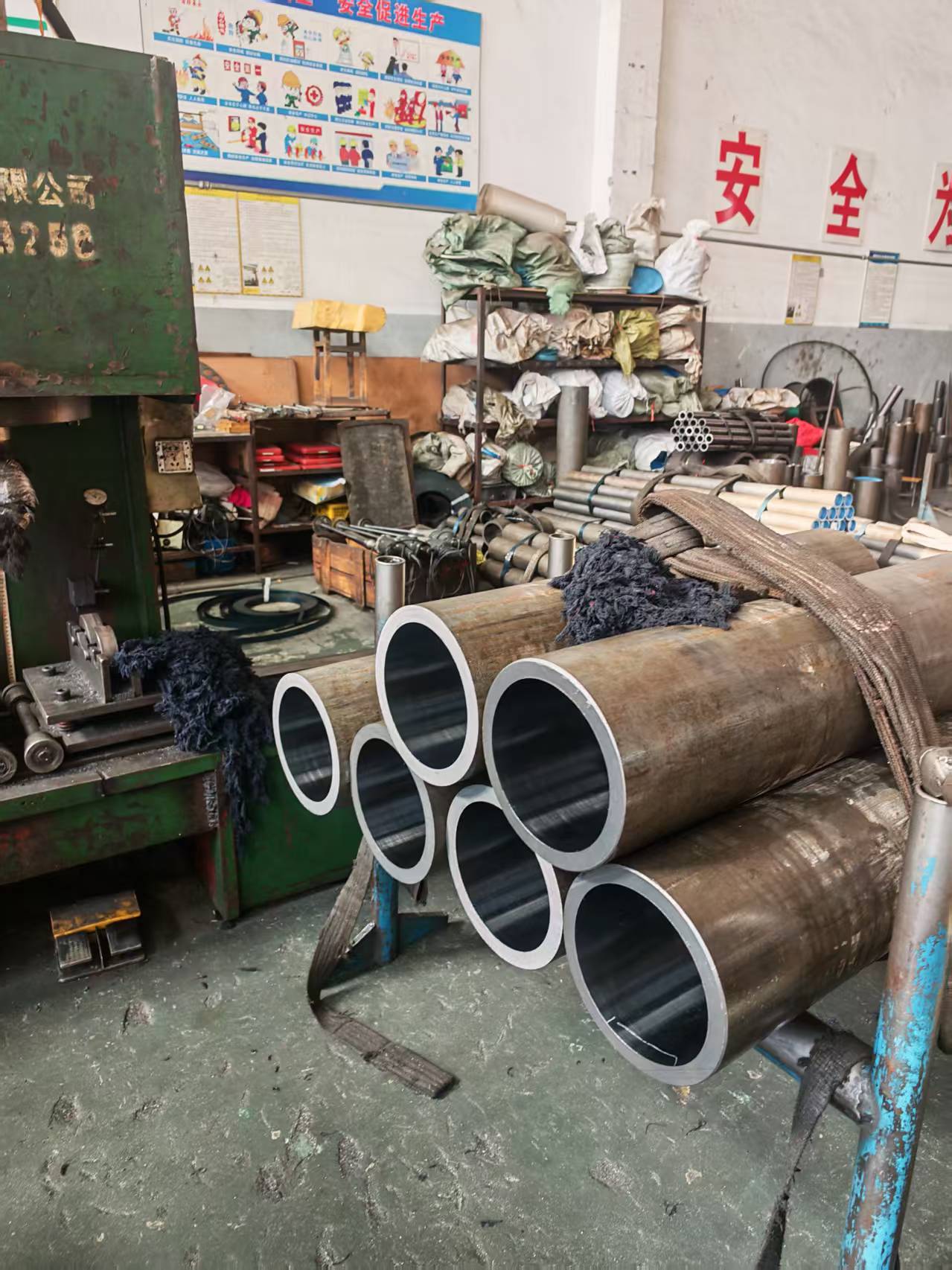
Yes. Custom cylinders are assembled with a seal package chosen for your fluid, temperature and pressure, and the bores are finished to the Ra values the seals need.
Specifying a cylinder for a tough environment? Tell
Tengye Machinery the fluid and temperature — +86 18912360300.