Rolled Cylinder Barrel: Precision Rolling, Performance And Industrial Applications
Release time:2026-06-22 Visits:262
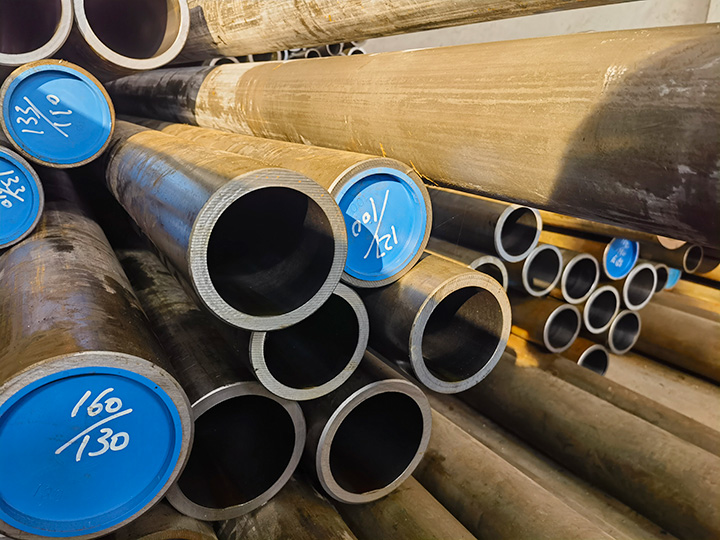
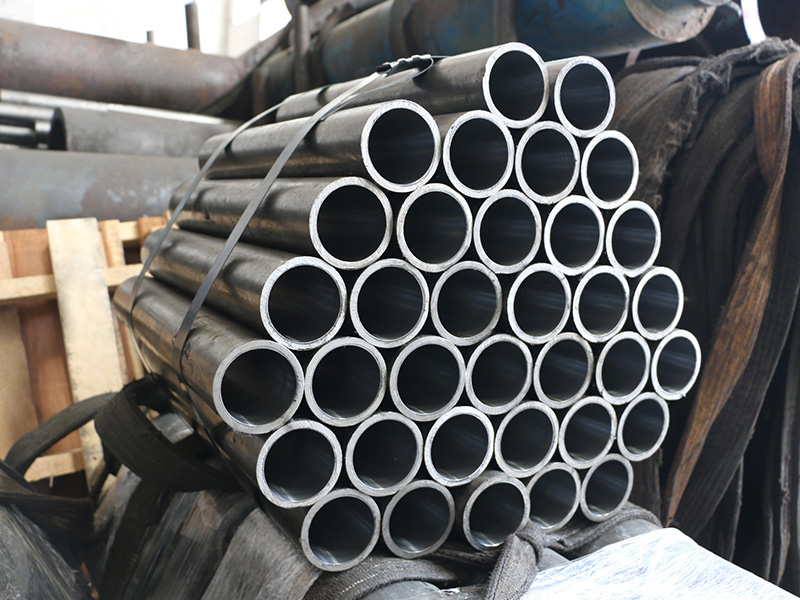
Rolled cylinder barrel is a core structural component of hydraulic cylinders, manufactured by advanced precision rolling processes. It serves as the carrier of hydraulic medium and piston movement, with its rolling precision, structural strength and wear resistance directly determining the reliability and service life of hydraulic systems. This article concisely elaborates on its core characteristics, rolling technology, material selection, typical applications and maintenance, providing a professional reference.
1. Core Characteristics and Performance Advantages
Rolled cylinder barrels are featured by high dimensional accuracy, with inner diameter tolerance up to H7-H9, surface roughness Ra≤0.4μm and uniform wall thickness. The precision rolling process enhances their mechanical properties, enabling them to bear high pressure (up to 31.5 MPa) and resist wear, while ensuring good toughness to withstand alternating loads in industrial operations.
2. Rolling Technology and Material Selection
The core manufacturing process includes blank forging, precision hot/cold rolling, heat treatment (quenching-tempering), finish honing and surface treatment. Precision rolling ensures uniform material deformation, while honing further improves inner surface smoothness and dimensional consistency, meeting high-precision assembly requirements.
Common materials include 45# carbon steel, 27SiMn and 40Cr alloy steel, which undergo quenching-tempering treatment to enhance hardness and toughness. For corrosive environments, 304/316L stainless steel is adopted, with optional chrome plating or nitriding to improve wear resistance.
3. Typical Applications
It is widely used as the core body of hydraulic cylinders in engineering machinery, metallurgical equipment, agricultural machinery and industrial hydraulic systems. It is especially suitable for medium and large-bore hydraulic cylinders, supporting key operations such as lifting, clamping and force transmission.
4. Quality Control and Maintenance
Strict quality control includes dimensional inspection, ultrasonic/eddy current defect detection and mechanical performance testing. Maintenance focuses on anti-corrosion storage, regular cleaning of surface impurities and timely repair of scratches to ensure long-term stable operation.
Conclusion
As a key component of hydraulic cylinders, rolled cylinder barrel plays an irreplaceable role in industrial hydraulic systems. Its precision rolling technology and high-performance material selection ensure adaptability to harsh working conditions, providing reliable support for industrial production.