Hydraulic System Maintenance Guide: Best Practices For Long-Term Reliability
Release time:2026-05-01 Visits:347
Proper maintenance ensures hydraulic system reliability and extends component service life. A well-maintained system operates efficiently, minimizes downtime, and reduces operating costs. This guide covers essential maintenance practices for industrial hydraulic systems.
Understanding Hydraulic System Health
Hydraulic systems operate under demanding conditions that cause gradual wear and deterioration. Monitoring key indicators helps identify developing problems before they cause failures. Regular assessment of system condition enables timely maintenance interventions.
The condition of the
hydraulic fluid provides crucial system health information. Fluid color, clarity, and odor indicate contamination levels and chemical breakdown. Regular fluid sampling and analysis reveal particle contamination, water content, and additive depletion. Most systems benefit from quarterly fluid analysis.
Daily Inspection Procedures
Daily visual inspection catches obvious problems before they escalate. Check fluid levels in the reservoir, verifying they remain within acceptable ranges. Low fluid levels may indicate leaks or excessive internal consumption. Excess fluid may result from improper filling or internal leakage into the oil reservoir.
Monitor system pressure gauges during operation. Pressure should remain stable during normal operation. Fluctuations or unusual readings indicate developing problems requiring investigation. Note any unusual sounds from pumps, motors, or cylinders, as noise often precedes mechanical failures.
Inspect all visible components for leaks. Check cylinder rod seals, pipe connections, valve joints, and filter housings. Early leak detection prevents fluid loss and contamination from external sources. Keep the system area clean to enable leak detection.
Weekly Maintenance Tasks
Weekly tasks address components requiring more frequent attention than daily inspections. Check filter condition indicators or differential pressures. Replace filters according to manufacturer recommendations or when indicators show restriction. Clean or replace inlet strainers if equipped.
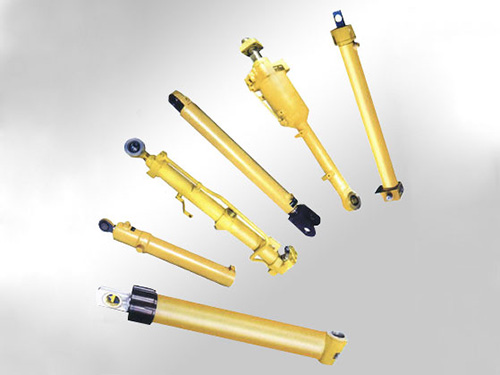
Inspect cylinder mounting and connection points. Verify bolts remain tight and connections are secure. Vibration and operation can loosen fasteners over time. Check hydraulic hoses for damage, wear, or signs of impending failure.
Examine system temperature control components. Verify cooling system operation if equipped. Excessive heat accelerates fluid degradation and seal wear. Check for proper operation of heaters in cold-weather applications.
Monthly Maintenance Requirements
Monthly maintenance includes more comprehensive evaluations. Inspect all system components for wear or damage not visible in daily checks. Pay particular attention to cylinder pivot points, mounting hardware, and frequently cycled components.
Test system pressure relief valves to verify proper setpoints. Relief valves that do not function correctly can cause unsafe operating conditions or prevent proper system protection. Record test results for comparison with previous tests.
Check accumulator pre-charge pressure if the system uses accumulators. Incorrect pre-charge affects accumulator performance and system response. Maintain proper pre-charge according to system specifications.
Scheduled Component Replacement
Certain components require periodic replacement based on time or cycle counts regardless of apparent condition. Seal kits for cylinders should be replaced during scheduled overhauls. This proactive approach prevents unexpected failures and extends cylinder service life.
Replace filters on a scheduled basis even if indicators do not show restriction. Filters accumulate contaminants that eventually reach system components. Scheduled replacement ensures consistent fluid cleanliness.
Electric motor and pump maintenance follows manufacturer schedules. This maintenance includes bearing inspection and replacement, shaft seal service, and electrical testing. Following manufacturer schedules prevents premature failures and maintains warranty coverage.
Troubleshooting Common Issues
Understanding common problems helps identify causes when issues arise. Low pressure often results from worn pumps, pressure control valve problems, or internal cylinder leakage. Systematic diagnosis identifies the source and appropriate corrective action.
Unusual cylinder speed or erratic motion may indicate flow control problems or air in the system. Air ingestion causes spongy response and requires system bleeding. Flow control issues may stem from valve problems or restrictions in the supply line.
Increased noise from pumps or motors typically indicates cavitation, aeration, or bearing wear. These conditions require prompt attention to prevent severe damage. Address noise increases immediately rather than waiting for failure.
Professional Maintenance Support
Complex hydraulic systems benefit from periodic professional inspection and service. Trained technicians identify developing problems that may escape untrained observation. Professional service also ensures proper assembly and adjustment following maintenance activities.
Wuxi Tengye provides technical support for hydraulic system maintenance. We offer cylinder repair services, technical consultation, and replacement components for system maintenance. Our experienced team assists customers in developing maintenance programs appropriate for their specific applications.
Effective maintenance requires consistent attention and appropriate resources. Following these practices ensures reliable hydraulic system performance and minimizes unexpected downtime. Investment in maintenance pays returns through extended component life and reduced repair costs.