Metallurgical Hydraulic Cylinder Body: Specifications, Fabrication And Application Essentials
Release time:2026-05-25 Visits:290
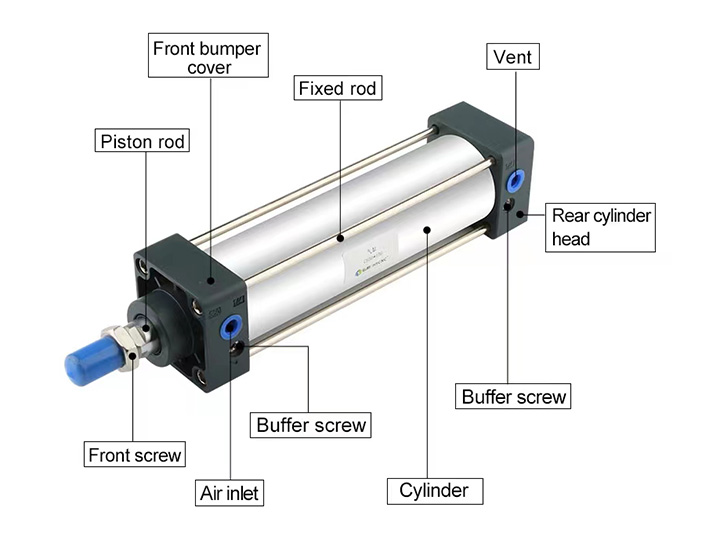
The metallurgical hydraulic cylinder body is a core structural component of hydraulic systems in metallurgical equipment, bearing high pressure, high temperature, and harsh working conditions. As the key carrier of hydraulic medium and piston movement, its material performance, structural design, and fabrication precision directly determine the reliability and service life of metallurgical hydraulic cylinders. This article concisely elaborates on its core characteristics, design standards, fabrication processes, typical applications, and maintenance requirements, providing a professional and concise reference.
1. Core Characteristics and Working Requirements
Metallurgical hydraulic cylinder bodies are specifically designed for harsh metallurgical environments, featuring high pressure-bearing capacity (up to 31.5 MPa), excellent high-temperature resistance (adapting to 80-150℃), and strong wear and corrosion resistance. They must withstand alternating loads, impact forces, and erosion from dust, molten slag, and corrosive media, requiring strict material selection and structural optimization to ensure stable operation.
2. Design and Material Selection
Key design parameters include inner diameter tolerance (H7-H9), wall thickness (determined by working pressure and cylinder length), and sealing structure compatibility. The inner surface roughness must reach Ra≤0.8μm to ensure tight sealing and reduce piston wear.
Common materials are high-strength alloy steel (45# steel, 27SiMn, 40Cr), which undergo quenching and tempering treatment to improve hardness (220-280 HB) and toughness. For severe corrosion scenarios, the inner surface is treated with chrome plating or nitriding to enhance wear and corrosion resistance.
3. Fabrication Key Processes
The fabrication process mainly includes blank forging, rough machining, heat treatment, finish machining, and surface treatment. Forging ensures uniform material structure and high strength; finish machining (precision boring, honing) guarantees inner surface precision; surface treatment (phosphating, chrome plating) enhances corrosion and wear resistance. Strict inspection of dimensional accuracy and surface quality is required after fabrication.
4. Typical Applications and Maintenance
It is widely used in metallurgical equipment: continuous casting machines, rolling mills, blast furnaces, and steelmaking converters, responsible for driving key components such as clamping, lifting, and tilting.
Maintenance focuses on regular inspection of inner surface wear and corrosion, checking for cylinder body deformation or cracks, and ensuring the sealing performance. Periodic oil filtration and medium replacement are necessary to avoid medium pollution causing cylinder body wear.
Conclusion
As a critical component of metallurgical hydraulic systems, the hydraulic cylinder body plays a vital role in ensuring stable operation of metallurgical equipment. Adhering to professional design, material selection, and fabrication standards is essential for its durability and reliability in harsh metallurgical working conditions.