1. Introduction
Hydraulic transmission technology, with its unique advantages of high power density, stable operation, precise control and strong overload capacity, has been widely used in various industrial fields. However, in hazardous environments such as petrochemical plants, coal mines, chemical workshops and pharmaceutical factories, flammable gases (such as natural gas, gasoline vapor), flammable dust (such as coal dust, metal dust) or flammable fibers are often present. The operation of standard hydraulic cylinders may generate potential ignition sources—such as sparks caused by friction and collision of components, high temperatures generated by hydraulic oil leakage and friction, or electrostatic discharge—which may ignite flammable substances in the environment, leading to explosions, fires and other serious safety accidents.
Explosion-proof
hydraulic cylinders, as a key safety component in hydraulic systems for hazardous environments, solve the above safety hazards through scientific explosion-proof design and strict quality control. They not only retain the advantages of high output force, precise control and stable operation of standard hydraulic cylinders, but also have reliable explosion-proof performance, which can meet the safety requirements of different levels of explosive hazardous areas. With the increasing emphasis on industrial safety and the continuous improvement of safety standards in various countries, the application scope of explosion-proof hydraulic cylinders is expanding day by day, and their role in ensuring industrial production safety has become increasingly prominent.
At present, there are various types of explosion-proof hydraulic cylinders, and their explosion-proof grades, structural forms and performance parameters vary significantly. The rational selection and correct application of explosion-proof hydraulic cylinders directly affect the safety, reliability and economic efficiency of production equipment in hazardous areas. However, due to the particularity of explosion-proof technology and the complexity of hazardous environments, many practitioners lack a systematic understanding of the working principles and selection points of explosion-proof hydraulic cylinders, which may lead to safety risks such as improper selection and potential safety hazards. This paper focuses on the core content of explosion-proof hydraulic cylinders, providing a comprehensive and in-depth professional analysis and practical guidance for relevant practitioners in hazardous industries.
2. Basic Composition and Explosion-Proof Mechanism of Explosion-Proof Hydraulic Cylinders
Explosion-proof hydraulic cylinders are improved and optimized on the basis of standard hydraulic cylinders, with a more complex structure and stricter quality requirements. Their basic composition includes core components, explosion-proof components and auxiliary components, and the explosion-proof performance is realized through the synergistic effect of structural design, material selection and safety devices. A clear understanding of their composition and explosion-proof mechanism is the basis for mastering their working principles and selecting products.
2.1 Basic Composition
The structure of explosion-proof hydraulic cylinders is mainly composed of core components, explosion-proof components and auxiliary components. Each component undertakes specific functions, and the explosion-proof components are the key to ensuring the safety performance of the cylinder. The detailed composition is as follows:
- Core Components: Consistent with standard hydraulic cylinders, they are the basis for realizing energy conversion and motion transmission, including:
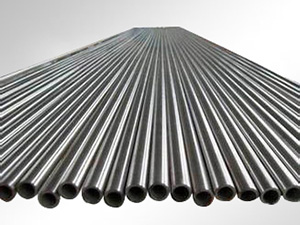
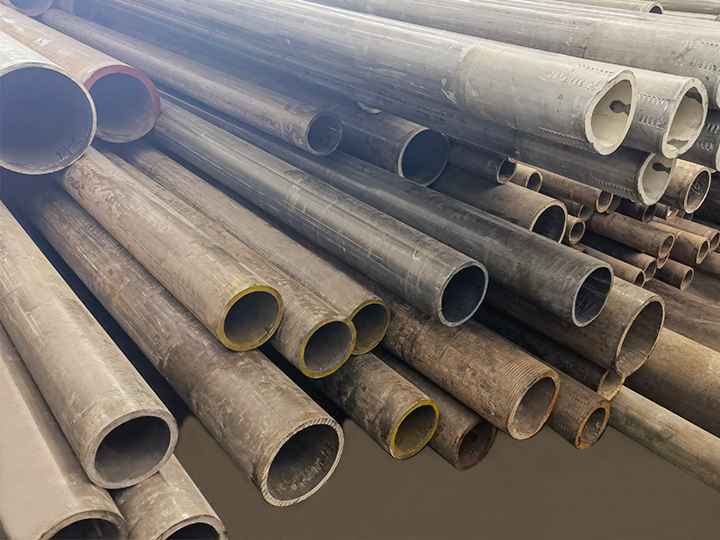
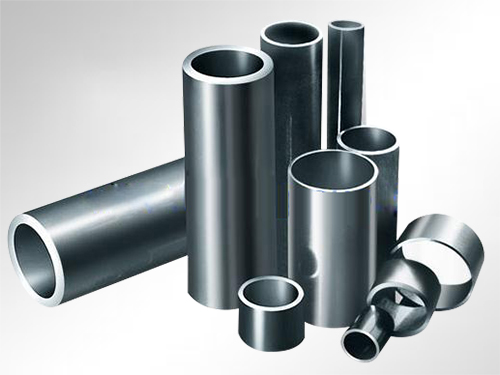
- Cylinder Barrel: The main body of the explosion-proof hydraulic cylinder, used to store hydraulic oil and provide an installation space for the piston. It is usually made of high-strength alloy steel or stainless steel, with high pressure resistance, wear resistance and corrosion resistance, and the inner surface is precision honed to ensure the smooth movement of the piston.
- Piston and Piston Rod: The piston is installed inside the cylinder barrel, and the piston rod is connected to the piston through threads or pins, extending out of the cylinder head to transmit mechanical force. The piston is equipped with high-performance piston seals to prevent hydraulic oil leakage; the piston rod is made of high-strength alloy steel, and the surface is treated with chrome plating or nitriding to improve wear resistance and corrosion resistance, and avoid spark generation due to friction.
- Hydraulic Interfaces: Including oil inlet and outlet ports, used to connect the hydraulic pipeline and hydraulic valve. The interface is usually designed with explosion-proof sealing structure to prevent hydraulic oil leakage and external flammable substances from entering the cylinder.
- Explosion-Proof Components: The core components that distinguish explosion-proof hydraulic cylinders from standard hydraulic cylinders, used to prevent the generation and spread of ignition sources, including:
- Explosion-Proof Cylinder Head and End Cover: Adopt flameproof structure (flameproof joint), with precise dimensional tolerance and surface finish. The flameproof joint can cool the high-temperature gas generated inside the cylinder and prevent the flame from spreading to the external hazardous environment when the internal pressure of the cylinder is too high or the hydraulic oil is ignited.
- Explosion-Proof Sealing System: Including piston seals, rod seals and static seals, which are made of high-temperature resistant, wear-resistant and anti-static materials (such as fluorine rubber FKM, polytetrafluoroethylene PTFE). The sealing system not only ensures the sealing performance of the cylinder to prevent hydraulic oil leakage, but also avoids electrostatic accumulation and spark generation caused by oil leakage and friction.
- Anti-Electrostatic Device: Installed on the piston rod, cylinder barrel or hydraulic interface, used to eliminate static electricity generated during the movement of the cylinder. Static electricity can be discharged to the ground through the anti-electrostatic device, avoiding spark generation caused by electrostatic discharge.
- Overpressure Protection Device: Including pressure relief valves, burst discs, etc., used to release the excessive pressure inside the cylinder in time when the hydraulic system fails (such as overpressure), prevent the cylinder from bursting and generating sparks or high-temperature fragments.
- Auxiliary Components: Provide auxiliary support for the normal operation of the cylinder, including:
- Guide Sleeves: Installed in the cylinder head, used to guide the movement of the piston rod, reduce friction between the piston rod and the cylinder head, and avoid spark generation due to excessive friction.
- Buffer Devices: Installed at both ends of the cylinder barrel, used to absorb the impact force when the piston moves to the end of the stroke, avoid rigid collision between the piston and the cylinder head, and prevent spark generation caused by collision.
- Position Detection Devices: Optional explosion-proof type (such as explosion-proof magnetic switches), used to detect the position of the piston and feed back signals to the control system to realize automatic control of the cylinder. The position detection device must meet the explosion-proof grade requirements of the application environment.
2.2 Explosion-Proof Mechanism
The explosion-proof mechanism of explosion-proof hydraulic cylinders is based on the principle of ""preventing the generation of ignition sources"" and ""preventing the spread of flames"", and realizes comprehensive explosion-proof protection through three core links: preventing ignition source generation, limiting ignition source energy and isolating flammable environments. The detailed mechanism is as follows:
- Prevention of Ignition Source Generation: Through reasonable structural design and material selection, eliminate potential ignition sources during cylinder operation. For example, the guide sleeve and piston are made of self-lubricating materials to reduce friction between components and avoid spark generation due to friction; the anti-electrostatic device eliminates static electricity to avoid spark generation due to electrostatic discharge; the explosion-proof sealing system prevents hydraulic oil leakage, avoiding high-temperature ignition caused by oil leakage and friction with pipelines or equipment.
- Limitation of Ignition Source Energy: Even if a small amount of ignition sources are generated accidentally, the energy of the ignition sources is limited to a level that cannot ignite flammable substances in the environment. For example, the flameproof joint of the cylinder head and end cover is designed with a specific gap and length, which can cool the high-temperature gas and flame generated inside the cylinder, reduce the temperature and energy of the flame, and prevent it from igniting the external flammable environment.
- Isolation of Flammable Environments: Isolate the internal components of the cylinder from the external flammable environment through a strict sealing structure and flameproof structure, prevent external flammable gases, dust or fibers from entering the cylinder, and also prevent the flame or high-temperature gas generated inside the cylinder from spreading to the outside, forming a double isolation protection.
It should be emphasized that the explosion-proof performance of explosion-proof hydraulic cylinders must comply with national and international explosion-proof standards (such as IEC 60079, GB 3836), and pass strict explosion-proof testing and certification to ensure that they can work safely in the specified explosive hazardous areas.
3. Working Principles of Explosion-Proof Hydraulic Cylinders
The basic working principle of explosion-proof hydraulic cylinders is consistent with that of standard hydraulic cylinders, which is based on Pascal’s Law: in a closed hydraulic system, the pressure applied to any point of the static liquid is transmitted equally to all points of the liquid. However, on the basis of this, explosion-proof hydraulic cylinders add explosion-proof protection measures to ensure that no ignition sources are generated during operation, and the working process is more stable and safe. The detailed working principle and process are as follows:
3.1 Basic Working Mechanism
Explosion-proof hydraulic cylinders convert the pressure energy of hydraulic oil into linear mechanical energy through the pressure action of hydraulic oil on the effective area of the piston, and drive the load to perform linear reciprocating motion. The core working formula is F = P × A, where F is the output force of the explosion-proof hydraulic cylinder, P is the working pressure of hydraulic oil (usually 10-35 MPa, and high-pressure models can reach 100 MPa), and A is the effective acting area of the piston.
The hydraulic pump in the hydraulic system converts the mechanical energy of the prime mover (such as a motor) into the pressure energy of hydraulic oil, and the high-pressure hydraulic oil is transmitted to the cylinder barrel of the explosion-proof hydraulic cylinder through the explosion-proof hydraulic pipeline and control valve. The hydraulic oil acts on the piston, generating linear thrust or pull force, driving the piston rod to extend or retract, and then driving the external load to move. During the whole working process, the explosion-proof components of the cylinder play a protective role to prevent the generation and spread of ignition sources.
3.2 Key Working Processes
The working process of explosion-proof hydraulic cylinders is divided into two stages: extension and retraction, and the explosion-proof protection measures run through the whole process to ensure safety:
- Extension Process: High-pressure hydraulic oil is input into the rodless cavity of the explosion-proof hydraulic cylinder through the explosion-proof oil inlet port, and the rod cavity is connected to the oil return pipe. The pressure of the hydraulic oil acts on the entire end face of the piston (without the piston rod), generating a thrust to push the piston to move forward. The piston drives the piston rod to extend under the guidance of the guide sleeve, and the guide sleeve reduces the friction between the piston rod and the cylinder head to avoid spark generation. The anti-electrostatic device eliminates the static electricity generated during the movement of the piston rod, and the explosion-proof sealing system ensures that the hydraulic oil does not leak. At this stage, the cylinder outputs thrust to drive the external load to move, and all components work together to ensure that no ignition sources are generated.
- Retraction Process: High-pressure hydraulic oil is input into the rod cavity of the explosion-proof hydraulic cylinder through the explosion-proof oil inlet port, and the rodless cavity is connected to the oil return pipe. The pressure of the hydraulic oil acts on the end face of the piston with the piston rod (the effective area is smaller than that of the rodless cavity), generating a pull force to pull the piston to move backward. The piston drives the piston rod to retract, and the buffer device absorbs the impact force when the piston moves to the end of the stroke, avoiding rigid collision and spark generation. The overpressure protection device monitors the internal pressure of the cylinder in real time, and releases the pressure in time if the pressure is too high to prevent the cylinder from bursting. At this stage, the cylinder outputs pull force to drive the external load to reset, and the explosion-proof protection is always in effect.
3.3 Differences from Standard Hydraulic Cylinders
Although the basic working principle of explosion-proof hydraulic cylinders is the same as that of standard hydraulic cylinders, there are obvious differences in terms of safety performance, structural design and material selection:
- Safety Performance: Explosion-proof hydraulic cylinders have special explosion-proof components and structures, which can prevent the generation and spread of ignition sources, and are suitable for hazardous environments; standard hydraulic cylinders have no explosion-proof protection and can only be used in safe environments.
- Structural Design: Explosion-proof hydraulic cylinders adopt flameproof joints, explosion-proof sealing systems and anti-electrostatic devices, and the structural design is more strict; standard hydraulic cylinders have a simple structure and no special explosion-proof design.
- Material Selection: Explosion-proof hydraulic cylinders use high-temperature resistant, wear-resistant, anti-static and corrosion-resistant materials to avoid spark generation and material damage; standard hydraulic cylinders use ordinary materials, which cannot meet the safety requirements of hazardous environments.
- Certification Requirements: Explosion-proof hydraulic cylinders must pass explosion-proof testing and certification (such as ATEX, IECEx, GB 3836) to be put into use; standard hydraulic cylinders have no such requirements.
4. Key Selection Points of Explosion-Proof Hydraulic Cylinders
The selection of explosion-proof hydraulic cylinders is very critical, which directly relates to the safety of production equipment and personnel in hazardous areas. When selecting, it is necessary to comprehensively consider the explosion-proof grade, application environment, performance parameters, material selection and certification requirements, and strictly follow the selection principles to ensure that the selected product meets the actual safety requirements and working conditions. The key selection points are detailed as follows:
4.1 Determine the Explosion-Proof Grade According to the Hazardous Area Classification
The first step in selecting explosion-proof hydraulic cylinders is to clarify the classification of the hazardous area where the cylinder is used, and then select the corresponding explosion-proof grade to ensure that the cylinder can adapt to the local hazardous environment. The classification of hazardous areas and the selection of explosion-proof grades are based on national and international standards (such as IEC 60079, GB 3836):
- Hazardous Area Classification: According to the type, concentration and occurrence frequency of flammable substances, hazardous areas are divided into Zone 0 (continuous or long-term presence of flammable explosive mixtures), Zone 1 (possible presence of flammable explosive mixtures during normal operation) and Zone 2 (possible presence of flammable explosive mixtures only in abnormal situations). For coal mines, it is divided into methane hazardous areas and coal dust hazardous areas.
- Explosion-Proof Grade Selection: For Zone 0, select explosion-proof hydraulic cylinders with intrinsic safety (Ex ia) or flameproof (Ex d) grade; for Zone 1, select flameproof (Ex d), increased safety (Ex e) or intrinsic safety (Ex ia) grade; for Zone 2, select flameproof (Ex d), increased safety (Ex e) or n-type (Ex n) grade. For coal mine environments, select explosion-proof hydraulic cylinders that meet the coal mine explosion-proof standard (such as Ex I Mb).
- Gas Group and Temperature Class: In addition to the explosion-proof grade, it is also necessary to select the corresponding gas group (such as Group IIA, IIB, IIC) and temperature class (such as T1-T6) according to the type of flammable gas in the environment. The temperature class indicates the maximum surface temperature of the cylinder during operation, which must be lower than the ignition temperature of the flammable gas in the environment.
4.2 Select Appropriate Materials According to the Working Environment
The material of explosion-proof hydraulic cylinders directly affects their explosion-proof performance, corrosion resistance and service life. It is necessary to select materials according to the characteristics of the working environment (such as corrosive gas, high temperature, high humidity):
- Cylinder Barrel and Piston Rod: For general hazardous environments, select high-strength alloy steel (such as 40Cr, 35CrMo) with chrome plating or nitriding on the surface; for corrosive environments (such as chemical industry, marine hazardous areas), select stainless steel (such as 316L) or corrosion-resistant alloy materials to avoid material corrosion and spark generation.
- Sealing Components: Select high-temperature resistant, wear-resistant, anti-static and corrosion-resistant sealing materials, such as fluorine rubber (FKM), polytetrafluoroethylene (PTFE), to ensure the sealing performance and avoid hydraulic oil leakage and spark generation. For high-temperature environments (above 120℃), select high-temperature resistant fluorine rubber or perfluoroelastomer seals.
- Guide Sleeves and Piston: Select self-lubricating materials (such as bronze, composite self-lubricating materials) to reduce friction between components, avoid spark generation due to friction, and improve the service life of the cylinder.
4.3 Match Performance Parameters According to Working Requirements
On the premise of meeting the explosion-proof requirements, the performance parameters of the explosion-proof hydraulic cylinder should be matched with the actual working requirements to ensure that the cylinder can meet the load, speed and control precision requirements:
- Output Force and Working Pressure: Calculate the maximum load that the cylinder needs to bear, and determine the output force of the cylinder according to the working pressure of the hydraulic system. The output force of the cylinder should be 1.2-1.5 times the maximum load to avoid overload damage. The working pressure of the cylinder should match the working pressure of the hydraulic system, and high-pressure explosion-proof hydraulic cylinders should be selected for heavy-load scenarios.
- Stroke Length: Determine the stroke length of the cylinder according to the movement distance of the load, and consider a certain margin (usually 5-10 mm) to avoid insufficient stroke. The stroke of explosion-proof hydraulic cylinders is usually 10-1000 mm, and special strokes can be customized according to requirements.
- Motion Speed: The motion speed of the cylinder is determined by the flow rate of the hydraulic oil. Select the appropriate flow control valve to adjust the speed, and ensure that the speed is within the range specified by the cylinder (usually 0.01-0.5 m/s). Too fast speed will cause impact, and too slow speed will affect production efficiency.
- Control Precision: For scenarios that require high-precision positioning (such as precision control in petrochemical equipment), select explosion-proof hydraulic cylinders with high positioning accuracy (up to ±0.01 mm), and configure explosion-proof position detection devices to realize precise control.
4.4 Pay Attention to Structural Design and Safety Performance
The structural design of explosion-proof hydraulic cylinders directly affects their explosion-proof performance and reliability. When selecting, it is necessary to focus on the following structural design points:
- Flameproof Joint: Check whether the flameproof joint of the cylinder head, end cover and other components meets the standard requirements, including the gap, length and surface finish of the joint. The flameproof joint must be able to effectively cool the flame and prevent flame spread.
- Sealing System: Ensure that the sealing system of the cylinder is intact, and the seals are made of high-quality explosion-proof materials to prevent hydraulic oil leakage and external flammable substances from entering the cylinder.
- Safety Devices: Check whether the cylinder is equipped with necessary safety devices, such as overpressure protection devices, anti-electrostatic devices and buffer devices, to ensure that potential safety hazards can be eliminated in time during operation.
- Installation Mode: Select the appropriate installation mode (flange, foot, trunnion) according to the installation space and equipment layout, and ensure that the installation is firm to avoid vibration and collision during operation, which may lead to spark generation.
4.5 Confirm Explosion-Proof Certification and Quality Assurance
Explosion-proof hydraulic cylinders are special safety products, which must pass strict explosion-proof testing and certification to be put into use. When selecting, it is necessary to confirm the following certification and quality assurance items:
- Explosion-Proof Certification: The cylinder must have explosion-proof certification issued by authoritative institutions (such as ATEX certification in the EU, IECEx certification internationally, and GB 3836 certification in China), and the certification scope must cover the explosion-proof grade, gas group and temperature class required by the application environment.
- Quality Control: Select suppliers with good reputation, stable product quality and perfect quality control system. Check the supplier’s production qualification, product testing report and after-sales service guarantee to ensure that the product meets the standard requirements.
- After-Sales Service: Confirm that the supplier can provide professional after-sales service, including installation guidance, maintenance and repair, and replacement of explosion-proof components, to ensure the long-term safe and stable operation of the cylinder.
4.6 Selection Notes
- Do not select explosion-proof hydraulic cylinders with unqualified explosion-proof grades or no explosion-proof certification, so as to avoid safety accidents.
- Do not overload the cylinder. The actual load should not exceed 80% of the rated output force to avoid damage to the cylinder components and spark generation.
- Pay attention to the compatibility between the cylinder and the hydraulic oil. Select hydraulic oil that meets the requirements of the explosion-proof environment (such as anti-static hydraulic oil) to avoid electrostatic accumulation.
- Regularly check and maintain the cylinder, especially the explosion-proof components and sealing system, to ensure that the explosion-proof performance is not damaged.
5. Application Fields of Explosion-Proof Hydraulic Cylinders
Explosion-proof hydraulic cylinders are mainly used in various explosive hazardous areas, and are widely used in petrochemical, coal mining, chemical, pharmaceutical, military and other industries. Their application scenarios are highly targeted, and they play an important role in ensuring the safe and stable operation of equipment. The detailed application fields are as follows:
5.1 Petrochemical Industry
The petrochemical industry is one of the main application fields of explosion-proof hydraulic cylinders. There are a large number of flammable gases (such as natural gas, gasoline vapor, diesel vapor) and flammable liquids in oil refineries, petrochemical plants and oil storage depots, which belong to high-risk explosive hazardous areas. Explosion-proof hydraulic cylinders are used in various key equipment, such as:
- Oil Drilling Equipment: Used in the hydraulic system of drilling rigs, driving the lifting of drill pipes, the adjustment of drill bits and the movement of derricks. The explosion-proof performance ensures the safe operation of drilling equipment in the field hazardous environment.
- Oil Storage and Transportation Equipment: Used in the hydraulic system of oil storage tanks, oil pipelines and oil pumps, driving the opening and closing of valves, the movement of oil loading and unloading arms and the adjustment of flow rate. It prevents spark generation and ensures the safety of oil storage and transportation.
- Petrochemical Production Equipment: Used in the hydraulic system of reactors, distillation towers and other equipment, driving the movement of stirring paddles, the adjustment of pressure valves and the feeding of materials. It adapts to the high-temperature, high-pressure and flammable environment in the production process.
5.2 Coal Mining Industry
The coal mining industry is a typical hazardous industry, where coal dust and methane gas are widely present, and the risk of explosion is high. Explosion-proof hydraulic cylinders are essential components in coal mining equipment, mainly used in:
- Coal Mining Machinery: Used in the hydraulic system of shearers, roadheaders and hydraulic supports, driving the cutting of coal seams, the movement of roadheaders and the lifting of hydraulic supports. The explosion-proof performance prevents spark generation caused by equipment operation, avoiding coal dust and methane explosion.
- Coal Conveying Equipment: Used in the hydraulic system of conveyor belts, coal feeders and other equipment, driving the movement of conveyor belts and the adjustment of coal feeding amount. It adapts to the dusty and flammable environment in coal mines.
- Coal Mine Safety Equipment: Used in the hydraulic system of mine ventilation doors, fire doors and other safety equipment, driving the opening and closing of doors to ensure the safety of mine ventilation and fire prevention.
5.3 Chemical Industry
In chemical plants, a large number of flammable, explosive and corrosive chemicals (such as ethanol, methanol, ammonia) are used and produced, which belong to high-risk hazardous areas. Explosion-proof hydraulic cylinders are used in various chemical production equipment, such as:
- Chemical Reaction Equipment: Used in the hydraulic system of reactors, mixers and other equipment, driving the stirring of materials, the adjustment of reaction pressure and the discharge of products. It is corrosion-resistant and explosion-proof, adapting to the harsh chemical environment.
- Chemical Conveying Equipment: Used in the hydraulic system of pumps, valves and conveyors, driving the transportation of chemical materials and the adjustment of flow rate. It prevents spark generation and chemical leakage, ensuring production safety.
- Chemical Packaging Equipment: Used in the hydraulic system of packaging machines, filling machines and other equipment, driving the packaging and filling of chemical products. It adapts to the flammable and corrosive environment of chemical packaging.
5.4 Pharmaceutical Industry
In the pharmaceutical production process, some flammable solvents (such as ethanol, acetone) are often used, and the production workshop belongs to explosive hazardous areas. Explosion-proof hydraulic cylinders are used in pharmaceutical production equipment, such as:
- Pharmaceutical Mixing Equipment: Used in the hydraulic system of mixers, granulators and other equipment, driving the mixing of pharmaceutical raw materials and the granulation of products. It is clean, explosion-proof and corrosion-resistant, meeting the pharmaceutical production standards.
- Pharmaceutical Packaging Equipment: Used in the hydraulic system of tablet presses, capsule filling machines and other equipment, driving the pressing of tablets and the filling of capsules. It ensures the safe operation of equipment in the flammable solvent environment.
5.5 Other Application Fields
In addition to the above fields, explosion-proof hydraulic cylinders are also widely used in military equipment, aerospace, natural gas transmission, paint and coating production and other fields:
- Military Equipment: Used in the hydraulic system of military vehicles, aircraft and warships, adapting to the harsh and explosive environment in military operations.
- Natural Gas Transmission: Used in the hydraulic system of natural gas pipelines, gas stations and other equipment, driving the opening and closing of valves and the adjustment of gas flow, ensuring the safe transmission of natural gas.
- Paint and Coating Production: Used in the hydraulic system of paint mixing equipment, coating machines and other equipment, adapting to the flammable environment of paint solvents.