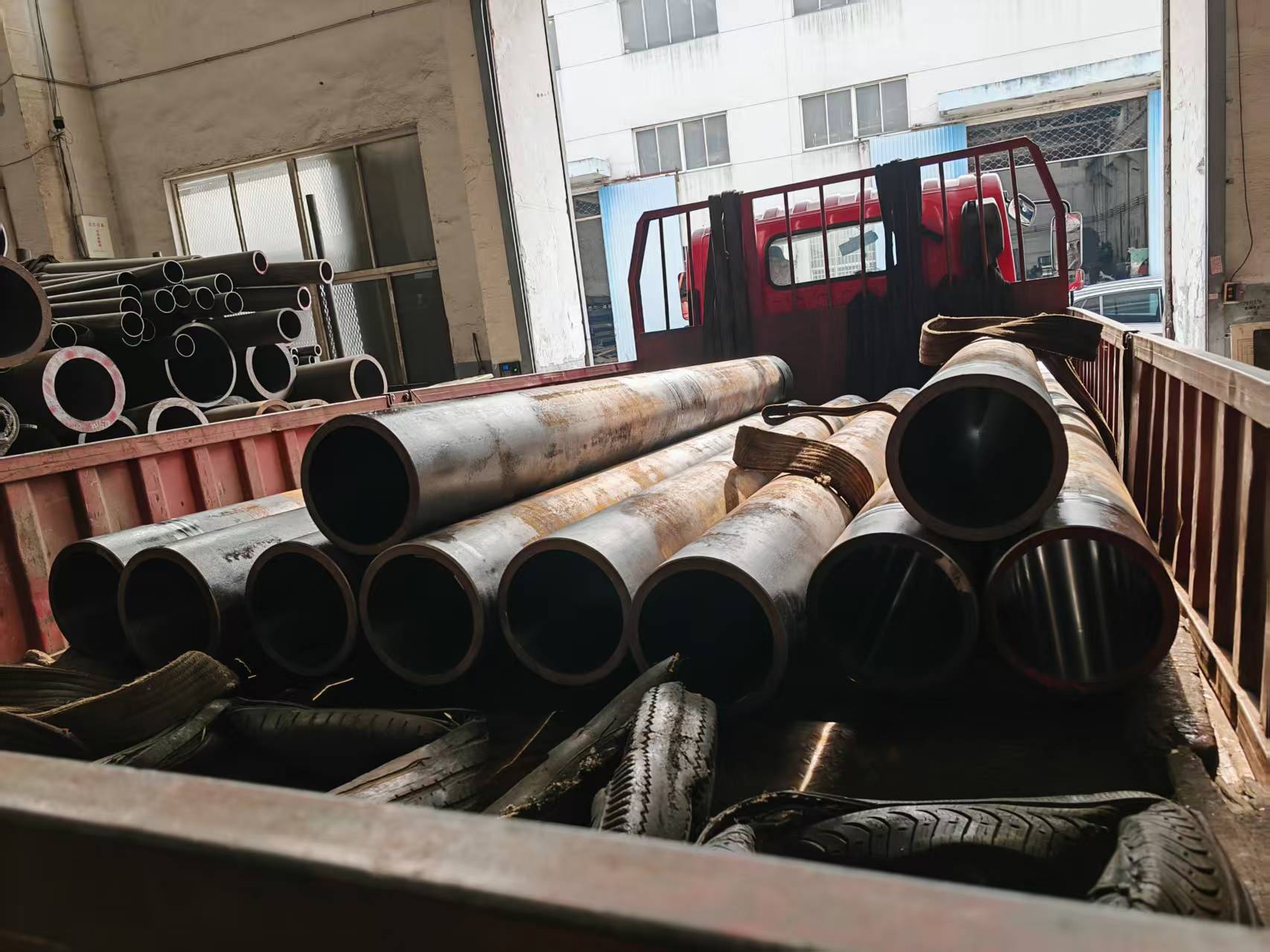
Precision steel tubes are high-performance tubular components characterized by tight dimensional tolerances, superior surface quality, and consistent mechanical properties. Unlike ordinary steel tubes, they undergo refined manufacturing processes to meet the stringent requirements of high-precision industrial applications. Widely used in aerospace, automotive engineering, mechanical manufacturing, hydraulic systems, and medical equipment, precision steel tubes play a critical role in ensuring operational stability, improving product durability, and optimizing structural efficiency. This article elaborates on the core manufacturing processes, typical application fields, key selection criteria, quality control methods, and industry trends of precision steel tubes, providing practical guidance for engineers, procurement professionals, and technical managers.
I. Core Manufacturing Processes of Precision Steel Tubes
The production of
precision steel tubes involves a series of refined processes, from raw material preparation to final finishing, with strict control over each link to ensure dimensional accuracy and performance stability. The main manufacturing technologies are categorized into seamless and welded types, as follows:
1. Seamless Precision Steel Tube Processes
Seamless precision steel tubes are manufactured without welding seams, offering excellent structural integrity and pressure resistance. The key processes include:
- Hot Rolling (HR) Process: Raw steel billets (typically round bars) are heated to 1100-1250℃ (above the recrystallization temperature) and pierced by a piercing mill to form hollow shells. The shells are then rolled by a mandrel mill or continuous rolling mill to adjust the outer diameter and wall thickness, followed by sizing and cooling. Hot-rolled seamless tubes have high production efficiency and are suitable for medium-to-large diameter products, but require subsequent precision processing to meet tight tolerances.
- Cold Drawing (CD) Process: Cold drawing is the most common process for achieving high precision. Hot-rolled seamless tubes are used as blanks, which are pickled to remove oxide scales, coated with lubricant, and drawn through a die with a mandrel at room temperature. This process reduces the outer diameter and wall thickness while improving dimensional accuracy (tolerance up to ±0.01mm) and surface finish. Multiple drawing passes may be required, with intermediate annealing to eliminate work hardening and restore ductility.
- Cold Rolling (CR) Process: Similar to cold drawing but uses a cold rolling mill with multiple rolls to deform the tube blank. Cold rolling offers higher dimensional precision, better surface quality, and more uniform mechanical properties than cold drawing. It is suitable for small-diameter, thin-walled precision tubes used in aerospace and medical applications, but has higher equipment and production costs.
2. Welded Precision Steel Tube Processes
Welded precision steel tubes are made by welding steel strips or plates into tubular shapes, followed by precision processing to eliminate weld seam defects and ensure dimensional accuracy. Key processes include:
- High-Frequency Induction Welding (HFIW): Steel strips are uncoiled, leveled, and formed into a circular shape by a forming machine. High-frequency induction current is applied to the edge of the strip, heating it to the welding temperature (1300-1400℃) for fusion welding. The weld seam is then rolled and heat-treated to eliminate internal stress and ensure consistency with the base material. HFIW tubes have high welding speed and good dimensional precision, widely used in automotive and hydraulic systems.
- Laser Welding Process: Uses a high-energy laser beam to weld the edges of the formed steel strip, offering narrow weld seams, high welding strength, and minimal heat-affected zones. Laser-welded precision tubes are suitable for high-precision, corrosion-resistant applications (e.g., stainless steel tubes for medical equipment) but have higher production costs than HFIW.
- Post-Welding Precision Processing: Welded tubes undergo cold drawing, cold rolling, or honing to improve dimensional accuracy and surface quality, eliminating weld seam protrusions and ensuring uniformity across the entire tube body.
3. Finishing Processes
All precision steel tubes require post-processing to meet final application requirements:
- Heat Treatment: Annealing, quenching, and tempering to adjust mechanical properties (e.g., hardness, tensile strength, toughness) and eliminate internal stress from cold working or welding.
- Surface Treatment: Pickling, passivation, electroplating (zinc, chrome), or galvanizing to improve corrosion resistance and surface finish. Polishing or grinding is used for ultra-smooth surfaces in hydraulic and pneumatic applications.
- Dimensional Inspection and Cutting: Precision cutting (laser, plasma, or sawing) to fixed lengths, followed by dimensional measurement using tools such as calipers, micrometers, and coordinate measuring machines (CMM) to verify tolerances.
II. Typical Application Fields of Precision Steel Tubes
Precision steel tubes are widely used in industries requiring high accuracy, reliability, and performance. The main application fields are as follows:
1. Automotive Industry
Automotive manufacturing is the largest consumer of precision steel tubes, used in critical components to ensure safety and performance: Engine Components (fuel injection tubes, oil pipelines, camshaft sleeves) requiring tight tolerances to prevent fluid leakage; Chassis and Suspension (shock absorber cylinders, steering shafts) needing high strength and dimensional stability; Transmission Systems (drive shafts, gearbox sleeves) with wear resistance and precision fit. Cold-drawn seamless tubes and HFIW tubes are commonly used, with materials such as ST52, 45# steel, and stainless steel.
2. Aerospace Industry
Aerospace applications demand ultra-high precision and reliability to withstand extreme conditions (high pressure, temperature, and vibration): Hydraulic and Pneumatic Systems (control tubes, fuel lines) using cold-rolled seamless tubes with stainless steel or titanium alloy materials; Aircraft Structures (frame supports, landing gear components) requiring high strength-to-weight ratios; Engine Systems (exhaust tubes, cooling pipelines) with heat and corrosion resistance. Dimensional tolerances are typically controlled within ±0.005mm, and strict non-destructive testing is mandatory.
3. Mechanical Manufacturing and Hydraulic Systems
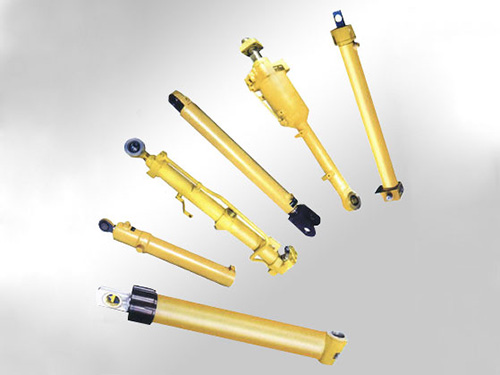
Precision steel tubes are essential in mechanical equipment and hydraulic systems for power transmission and motion control: Hydraulic Cylinders (piston rods, cylinder barrels) using honed precision tubes with ultra-smooth surfaces to reduce friction and improve sealing performance; Machinery Spindles and Shafts requiring high concentricity and surface finish; Tooling and Fixtures (guide rails, drill sleeves) with dimensional stability. Common materials include 40Cr, 20# steel, and alloy steel, with surface treatments such as hard chrome plating.
4. Medical Equipment
Medical applications require precision steel tubes with biocompatibility, corrosion resistance, and ultra-high surface quality: Surgical Instruments (scalpels, forceps, endoscope tubes) using stainless steel (304, 316L) or titanium alloy tubes; Medical Devices (catheters, implantable components, dialysis equipment) requiring non-toxic, sterile surfaces and tight dimensional control. Laser-welded and cold-rolled tubes are preferred, with surface polishing to Ra ≤ 0.2μm.
5. Oil and Gas and Chemical Industry
In harsh environments with high pressure, corrosion, and temperature, precision steel tubes are used for: Downhole Equipment (drill pipes, casing tubes) with high strength and corrosion resistance; Chemical Pipelines (transporting acids, alkalis, and organic solvents) using stainless steel or alloy steel tubes;Pressure Vessels (manifolds, heat exchanger tubes) requiring tight tolerances and leak-proof performance. Seamless tubes with corrosion-resistant alloys (Hastelloy, Inconel) are commonly used.
6. Other Applications
Additional fields include: Electronic Equipment (heat dissipation tubes, connector sleeves) with miniaturized precision; Construction Machinery (excavator hydraulic tubes, crane cylinders); Sports Equipment (bicycle frames, golf club shafts) using lightweight, high-strength precision tubes.
III. Key Selection Criteria for Precision Steel Tubes
Selecting the appropriate precision steel tube requires balancing application requirements, material properties, dimensional accuracy, and cost. The following factors should be prioritized:
1. Material Selection
Choose materials based on mechanical properties, corrosion resistance, and operating conditions:
- Carbon Steel (20#, 45#, ST52): Cost-effective, with good strength and machinability, suitable for general mechanical and hydraulic applications.
- Alloy Steel (40Cr, 42CrMo): High strength, toughness, and wear resistance, used in high-load components (engine shafts, hydraulic cylinders).
- Stainless Steel (304, 316L): Excellent corrosion resistance and biocompatibility, ideal for medical, food, and chemical applications.
- Special Alloys (titanium alloy, Hastelloy): For extreme conditions (high temperature, strong corrosion) in aerospace and oil and gas industries.
2. Dimensional Accuracy and Tolerance
Define key dimensional parameters based on application requirements:
- Outer Diameter (OD) and Wall Thickness (WT): Select tolerances according to precision needs—ordinary precision (±0.1mm) for mechanical parts, high precision (±0.01mm) for aerospace and medical components.
- Concentricity and Straightness: Critical for rotating components (spindles) and fluid transmission tubes, typically controlled within 0.02mm/m.
- Surface Finish: Ra ≤ 0.8μm for hydraulic cylinders to ensure sealing; Ra ≤ 0.2μm for medical instruments and precision tools.
3. Seamless vs. Welded Tubes
Choose based on pressure resistance, cost, and application scenario:
- Seamless Tubes: Higher pressure resistance (up to 100MPa), no weld seam defects, suitable for high-pressure hydraulic systems, aerospace, and oil and gas applications.
- Welded Tubes: Lower cost, higher production efficiency, suitable for low-to-medium pressure applications (automotive fuel lines, general machinery) when weld quality is guaranteed.
4. Mechanical Properties
Match mechanical properties to operating loads and environmental conditions:
- Tensile Strength: Critical for high-load components (e.g., 42CrMo alloy steel has tensile strength ≥ 1000MPa).
- Hardness: Controlled via heat treatment (e.g., HRC 28-32 for hydraulic cylinder barrels) to balance strength and machinability.
- Toughness and Fatigue Resistance: Essential for components subjected to repeated loads (shock absorbers, drive shafts) to prevent fatigue failure.
5. Cost and Supply Chain
Balance performance and cost: Cold-drawn/cold-rolled tubes have higher precision but higher costs; hot-rolled and welded tubes are more economical for large-volume, general-precision applications. Consider lead time, batch size, and supplier certification (ISO 9001, IATF 16949 for automotive) when selecting suppliers.
IV. Quality Control and Testing Methods
Strict quality control is essential to ensure precision steel tubes meet application requirements. Key testing methods include:
- Dimensional Testing: Use CMM, micrometers, and laser diameter gauges to verify OD, WT, concentricity, and straightness.
- Non-Destructive Testing (NDT): Ultrasonic testing (UT) to detect internal defects (cracks, inclusions); magnetic particle testing (MT) and liquid penetrant testing (PT) for surface defects; radiographic testing (RT) for weld seam quality in welded tubes.
- Mechanical Testing: Tensile testing, hardness testing, and impact testing to verify mechanical properties; fatigue testing for components subjected to repeated loads.
- Surface and Chemical Testing: Surface roughness measurement, corrosion resistance testing (salt spray test for stainless steel), and chemical composition analysis (spectroscopy) to ensure material compliance.
V. Industry Trends and Innovations
Driven by technological advancements and increasing demand for high-precision components, the precision steel tube industry is evolving with the following trends:
- Intelligent Manufacturing: Integration of IoT, AI, and automated production lines to optimize process control, reduce human error, and improve consistency. Smart sensors monitor dimensional accuracy and mechanical properties in real time during production.
- Lightweight and High-Strength Materials: Development of advanced alloys (high-strength low-alloy steel, titanium-aluminum alloys) to reduce weight while maintaining strength, meeting the needs of automotive electrification and aerospace lightweighting.
- Miniaturization and Ultra-Precision Processing: Advances in cold rolling and laser processing enable the production of micro-precision tubes (OD ≤ 1mm) for micro-electromechanical systems (MEMS) and medical catheters.
- Green and Sustainable Production: Adoption of energy-saving technologies (low-temperature rolling, waste heat recovery) and environmentally friendly surface treatments (chromium-free plating) to reduce carbon emissions and environmental impact.
- Customized Solutions: Suppliers provide tailored precision steel tubes (special materials, complex shapes, custom tolerances) to meet the unique needs of emerging industries such as new energy and 3D printing.
VI. Conclusion
Precision steel tubes are indispensable components in high-tech and industrial applications, with their performance directly affecting the reliability and efficiency of end products. Selecting the right precision steel tube requires a comprehensive understanding of manufacturing processes, material properties, application requirements, and quality standards. By prioritizing material compatibility, dimensional accuracy, and mechanical performance, and adhering to strict quality control, engineers and procurement professionals can optimize product design and operational efficiency.
As intelligent manufacturing and advanced material technologies continue to develop, precision steel tubes will move toward higher accuracy, lighter weight, and greener production. Professionals in automotive, aerospace, mechanical manufacturing, and other industries should stay updated on these innovations to leverage the full potential of precision steel tubes and drive technological progress in their respective fields.
"