1. Introduction
Hydraulic transmission technology, with its unique advantages of high power density, smooth transmission, easy automatic control, and strong overload capacity, has been widely used in various industrial fields. As the executive terminal of hydraulic transmission systems, hydraulic cylinders undertake the important task of converting hydraulic energy (pressure energy of hydraulic oil) into mechanical energy that can drive the load to perform linear reciprocating motion. Compared with other linear actuators such as electric cylinders and pneumatic cylinders, hydraulic cylinders have obvious advantages in output force, control precision, and environmental adaptability, especially in heavy-load, high-pressure, and harsh working environments, which are irreplaceable by other actuators.
With the continuous upgrading of industrial technology and the increasing demand for high-reliability, high-efficiency mechanical equipment, the performance requirements of hydraulic cylinders are becoming more and more stringent. From small-sized hydraulic cylinders used in precision instruments to large-scale hydraulic cylinders used in construction machinery and heavy equipment, hydraulic cylinders have been deeply integrated into various fields of national economy and social development. However, due to the complex structure of hydraulic cylinders and the influence of factors such as working pressure, hydraulic oil quality, and operating environment, the in-depth understanding of their working principles and correct application in different fields are crucial to ensuring the stable operation of equipment and reducing fault occurrence.
At present, there are various types of hydraulic cylinders, and their working principles and application scenarios vary significantly. A systematic analysis of the working principles and core application fields of hydraulic cylinders is of great significance for optimizing the design and selection of hydraulic cylinders, improving the reliability of hydraulic systems, reducing maintenance costs, and promoting the healthy development of the hydraulic industry. This paper focuses on the core content of hydraulic cylinders, providing a comprehensive and in-depth professional analysis and practical guidance for relevant practitioners.
2. Basic Composition of Hydraulic Cylinders
A standard hydraulic cylinder is a complex assembly composed of core components and auxiliary components, and each component undertakes specific functions to ensure the normal, stable, and reliable operation of the hydraulic cylinder. The rational design and selection of each component directly affect the working performance, service life, and safety of the hydraulic cylinder. The detailed composition is as follows:
2.1 Core Components
Core components are the key parts that realize the energy conversion and motion transmission of hydraulic cylinders, including cylinder barrel, piston, piston rod, and cylinder head.
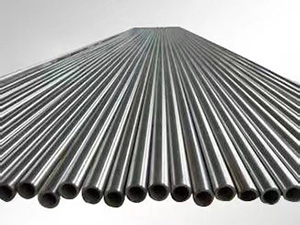
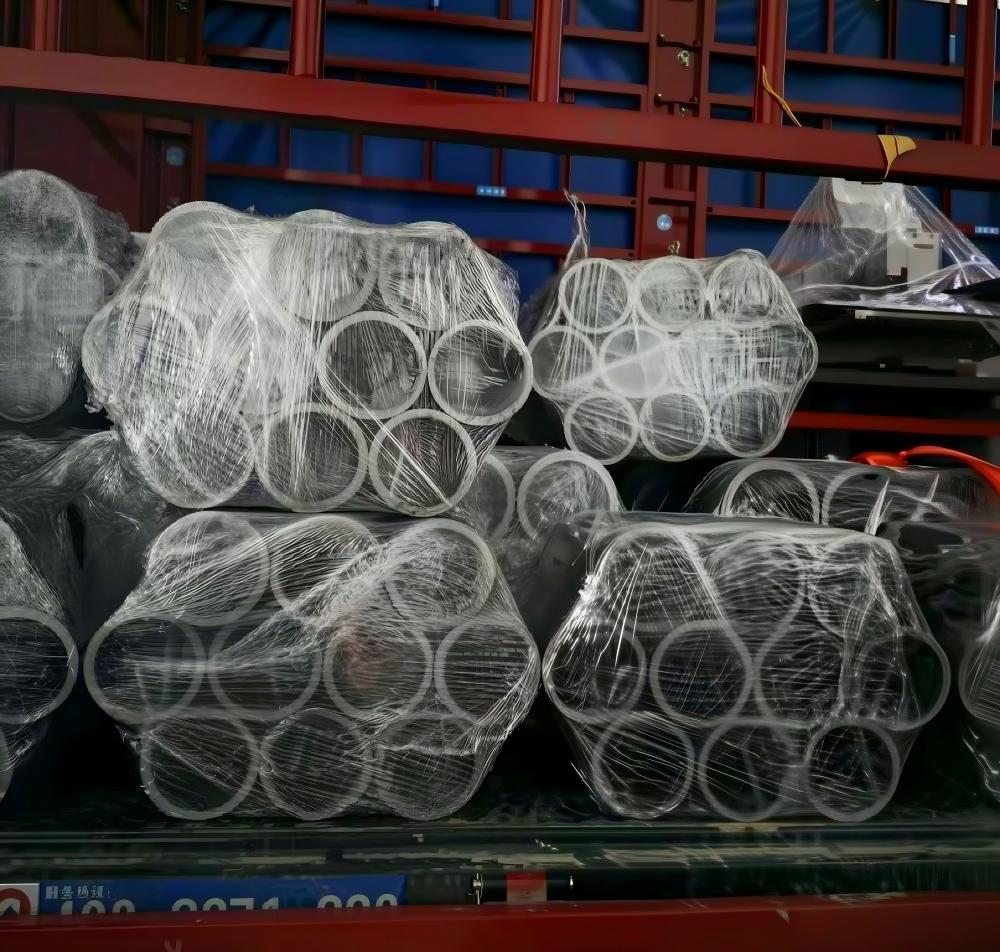
- Cylinder Barrel: As the main body of the hydraulic cylinder, it is a cylindrical cavity used to store hydraulic oil and guide the linear movement of the piston. It is usually made of high-strength seamless steel pipe (such as 45#, 20# steel) or alloy steel, and the inner surface is precision honed to ensure high dimensional accuracy (roundness, cylindricity) and surface roughness (Ra 0.4-1.6 μm), reducing friction between the piston and the cylinder barrel. The cylinder barrel must have sufficient strength and rigidity to withstand the high pressure of hydraulic oil (usually 10-35 MPa, even up to 100 MPa for high-pressure hydraulic cylinders).
- Piston: Installed inside the cylinder barrel, it is the core component that converts hydraulic pressure into mechanical force. The piston is closely matched with the cylinder barrel, and a piston seal is installed on the outer circumference to prevent hydraulic oil from leaking between the rodless cavity (the cavity without the piston rod) and the rod cavity (the cavity with the piston rod). The piston is usually made of cast iron, steel, or aluminum alloy, and its structure can be divided into integral piston and combined piston according to the working pressure and load requirements.
- Piston Rod: Connected to the piston through threads or pins, it extends out of the cylinder head to transmit the mechanical force generated by the piston to the external load. The piston rod is usually made of high-strength alloy steel (such as 40Cr, 35CrMo), and the surface is treated with chrome plating or nitriding to improve wear resistance, corrosion resistance, and surface hardness. The end of the piston rod is usually designed with threads, flanges, or pin holes to facilitate connection with the load.
- Cylinder Head: Installed at both ends of the cylinder barrel, it is used to seal the cylinder barrel and guide the movement of the piston rod. The cylinder head at the rod end is equipped with a guide sleeve to ensure the coaxiality of the piston rod and reduce wear between the piston rod and the cylinder head; the cylinder head at the rodless end is usually equipped with oil inlet and outlet ports to connect the hydraulic pipeline. The cylinder head is fixed to the cylinder barrel by bolts, threads, or welding, ensuring reliable sealing and structural stability.
2.2 Auxiliary Components
Auxiliary components are important guarantees for the normal operation of hydraulic cylinders, mainly including sealing components, guide sleeves, buffer devices, exhaust devices, and hydraulic interfaces.
- Sealing Components: The key to ensuring the sealing performance of hydraulic cylinders, which directly affects the working efficiency and reliability of the cylinders. Common sealing components include piston seals (such as O-rings, Y-rings, V-rings), rod seals (such as lip seals, combination seals), and static seals (such as gaskets, O-rings). The seal material is selected according to the working pressure, temperature, and hydraulic oil type, and common materials include nitrile rubber (NBR), fluorine rubber (FKM), and polyurethane (PU).
- Guide Sleeve: Installed in the rod end cylinder head, it is used to guide the movement of the piston rod, ensure the coaxiality of the piston rod and the cylinder barrel, and reduce the wear of the piston rod and the rod seal. The guide sleeve is usually made of bronze, cast iron, or composite materials with good wear resistance and self-lubricating performance.
- Buffer Device: Installed at both ends of the cylinder barrel, it is used to absorb the impact force when the piston moves to the end of the stroke, avoid rigid collision between the piston and the cylinder head, and protect the cylinder barrel, piston, and other components from damage. Common buffer devices include buffer sleeves, buffer valves, throttling holes, and cushioning pistons.
- Exhaust Device: Used to discharge the air in the hydraulic cylinder. If air remains in the cylinder, it will cause unstable movement of the piston rod (such as crawling, jitter), noise, and reduced working efficiency. Exhaust devices are usually installed at the highest point of the cylinder barrel or cylinder head, including exhaust valves, exhaust plugs, and exhaust ports.
- Hydraulic Interfaces: Including oil inlet and outlet ports, which are used to connect the hydraulic pipeline and the hydraulic valve. The interface type is usually thread (BSP, NPT) or flange, and the size is determined according to the flow rate and working pressure of the hydraulic cylinder.
3. Working Principles of Hydraulic Cylinders
The working principle of hydraulic cylinders is based on Pascal’s Law: in a closed hydraulic system, the pressure applied to any point of the static liquid is transmitted equally to all points of the liquid. Hydraulic cylinders convert the pressure energy of hydraulic oil into linear mechanical energy through the pressure action of hydraulic oil on the effective area of the piston, and drive the load to perform linear reciprocating motion. According to the movement direction and oil supply mode, the working principles of different types of hydraulic cylinders are slightly different, and the detailed analysis is as follows:
3.1 Basic Working Mechanism
The core of the hydraulic cylinder’s working principle is the conversion of energy: the hydraulic pump in the hydraulic system converts the mechanical energy of the prime mover (such as a motor) into the pressure energy of hydraulic oil, and the high-pressure hydraulic oil is transmitted to the cylinder barrel of the hydraulic cylinder through the hydraulic pipeline and control valve. The hydraulic oil acts on the piston, generating a linear thrust (or pull force) F = P × A, where F is the output force of the hydraulic cylinder, P is the pressure of the hydraulic oil, and A is the effective acting area of the piston.
When hydraulic oil is input into the rodless cavity of the hydraulic cylinder, the pressure of the oil acts on the entire end face of the piston (without the piston rod), generating a thrust to push the piston to move forward, and the piston rod extends to drive the load to move; when hydraulic oil is input into the rod cavity of the hydraulic cylinder, the pressure of the oil acts on the end face of the piston with the piston rod (the effective area is smaller than that of the rodless cavity), generating a pull force to pull the piston to move backward, and the piston rod retracts. The speed of the piston rod is determined by the flow rate of the hydraulic oil input into the cylinder, which can be adjusted by controlling the flow rate of the hydraulic valve.
3.2 Working Principles of Different Types of Hydraulic Cylinders
According to the structural form and movement characteristics, hydraulic cylinders are mainly divided into single-acting hydraulic cylinders, double-acting hydraulic cylinders, and telescopic hydraulic cylinders. The working principles of different types are as follows:
3.2.1 Single-Acting Hydraulic Cylinders
Single-acting hydraulic cylinders only have one oil inlet and outlet port, which can only realize one-way movement (extension) through hydraulic pressure, and the retraction of the piston rod relies on external forces (such as the weight of the load, spring force, or other mechanical forces). The working process is as follows: when hydraulic oil is input into the rodless cavity, the oil pressure pushes the piston to move forward, and the piston rod extends to output thrust; when the hydraulic oil is discharged from the rodless cavity, the piston rod retracts under the action of external forces, and the oil in the rodless cavity flows back to the oil tank. Single-acting hydraulic cylinders have a simple structure, low cost, and are suitable for scenarios that require one-way thrust and rely on external forces to retract, such as hydraulic jacks, lifting platforms, and dump trucks.
3.2.2 Double-Acting Hydraulic Cylinders
Double-acting hydraulic cylinders have two oil inlet and outlet ports (one for the rodless cavity and one for the rod cavity), which can realize bidirectional movement (extension and retraction) through hydraulic pressure, and can output thrust and pull force respectively. The working process is as follows: when hydraulic oil is input into the rodless cavity and the rod cavity is connected to the oil return pipe, the oil pressure pushes the piston to move forward, and the piston rod extends to output thrust; when hydraulic oil is input into the rod cavity and the rodless cavity is connected to the oil return pipe, the oil pressure pushes the piston to move backward, and the piston rod retracts to output pull force. Double-acting hydraulic cylinders have the advantages of stable movement, adjustable speed, and large output force, and are the most widely used type of hydraulic cylinders in industrial production.
3.2.3 Telescopic Hydraulic Cylinders
Telescopic hydraulic cylinders, also known as multi-stage hydraulic cylinders, are composed of multiple nested cylinder barrels (stages), including a fixed cylinder barrel (first stage) and multiple telescopic cylinder barrels (second stage, third stage, etc.). The working principle is similar to that of double-acting hydraulic cylinders, but the telescopic order and force output are different. When hydraulic oil is input, the telescopic cylinder barrels extend in turn from the largest stage to the smallest stage, and the output force decreases gradually (because the effective area of the piston decreases); when retracting, the telescopic cylinder barrels retract in turn from the smallest stage to the largest stage under the action of hydraulic pressure or external forces. Telescopic hydraulic cylinders have the advantages of small retracted length and large extended stroke, and are suitable for scenarios that require long-stroke movement with limited installation space, such as cranes, excavators, and agricultural machinery.
3.3 Key Factors Affecting Working Performance
The working performance of hydraulic cylinders is affected by many factors, including hydraulic oil pressure and flow, dimensional precision of components, sealing performance, and working environment. The key factors are as follows:
- Hydraulic Oil Pressure and Flow: The output force of the hydraulic cylinder is directly proportional to the hydraulic oil pressure and the effective area of the piston; the movement speed of the piston rod is directly proportional to the hydraulic oil flow and inversely proportional to the effective area of the piston. Too high or too low pressure and flow will affect the working performance and service life of the hydraulic cylinder.
- Dimensional Precision and Surface Quality: The dimensional precision (roundness, cylindricity, coaxiality) of the cylinder barrel, piston, and piston rod, as well as the surface roughness, directly affect the friction resistance and sealing performance of the hydraulic cylinder. Poor precision will lead to increased friction, oil leakage, and unstable movement.
- Sealing Performance: The sealing performance of the sealing components directly determines whether the hydraulic cylinder leaks oil. Poor sealing will lead to reduced output force, low working efficiency, and even failure of the hydraulic cylinder.
- Working Environment: High temperature, high humidity, dust, and corrosion will affect the service life of the hydraulic cylinder. For example, high temperature will accelerate the aging of the seal and hydraulic oil; dust will cause wear of the cylinder barrel and piston rod.
4. Core Application Fields of Hydraulic Cylinders
With their excellent comprehensive performance, hydraulic cylinders are widely used in various industrial fields, especially in scenarios that require large output force, high control precision, and harsh working environments. The specific application scenarios are detailed as follows, combining their structural characteristics and performance advantages with practical engineering needs:
4.1 Construction Machinery Industry
The construction machinery industry is the largest application field of hydraulic cylinders, and almost all construction machinery relies on hydraulic cylinders to realize movement and load transmission. Hydraulic cylinders in this field are usually high-pressure, large-tonnage, and have strong adaptability to harsh environments (dust, vibration, high temperature). Typical applications include:
- Excavators: The boom cylinder, arm cylinder, and bucket cylinder are the core components of excavators, which drive the boom, arm, and bucket to move, realizing excavation, lifting, and unloading operations. These hydraulic cylinders need to output large thrust to cope with heavy loads and complex working conditions, and are usually double-acting hydraulic cylinders or telescopic hydraulic cylinders.
- Cranes: Hydraulic cylinders are used to drive the boom lifting, luffing, and telescoping, and the outrigger cylinder is used to support the crane body to ensure stability during lifting. The boom telescopic cylinder is usually a multi-stage telescopic hydraulic cylinder, which can realize long-stroke telescoping with a compact structure; the outrigger cylinder is a single-acting or double-acting hydraulic cylinder with high pressure resistance.
- Loaders and Bulldozers: Hydraulic cylinders are used to drive the bucket lifting and tilting (loaders) and the blade lifting and tilting (bulldozers), realizing loading, unloading, and earthmoving operations. These hydraulic cylinders require fast response and stable operation to adapt to the high-intensity working rhythm of construction machinery.
4.2 Industrial Automation Industry
In industrial automation production lines, hydraulic cylinders are used to realize precise linear movement, positioning, and force control, improving production efficiency and product quality. Hydraulic cylinders in this field are usually high-precision, small-to-medium tonnage, and have good controllability. Typical applications include:
- Machine Tools: Hydraulic cylinders are used in the clamping mechanism, feed mechanism, and tool changing mechanism of machine tools, realizing precise clamping of workpieces and stable feed movement. For example, the clamping cylinder in the CNC lathe clamps the workpiece tightly to ensure the machining precision; the feed cylinder drives the workbench to move linearly, realizing precise feeding.
- Hydraulic Presses: Hydraulic cylinders are the core components of hydraulic presses, which output large thrust to realize stamping, forging, bending, and other processing operations. The hydraulic cylinders of hydraulic presses are usually high-pressure double-acting hydraulic cylinders with large effective area, which can output thousands of kilonewtons of thrust.
- Automation Production Lines: Hydraulic cylinders are used in conveyor belts, manipulators, and other equipment, realizing linear feeding, pushing, and positioning of workpieces. For example, in the automotive assembly line, hydraulic cylinders are used to position and clamp automotive components, ensuring the accuracy of assembly.
4.3 Aerospace Industry
The aerospace industry has extremely strict requirements on the reliability, precision, and weight of hydraulic cylinders. Hydraulic cylinders in this field are usually high-precision, lightweight, and high-pressure, and are used to realize key movements of aircraft and spacecraft. Typical applications include:
- Aircraft Landing Gear: The retraction and extension of aircraft landing gear are driven by hydraulic cylinders, which need to work stably under extreme conditions (high altitude, low temperature, high pressure) and ensure the safety of aircraft takeoff and landing. These hydraulic cylinders are usually high-precision double-acting hydraulic cylinders, made of high-strength lightweight alloy materials.
- Aircraft Flaps and Ailerons: Hydraulic cylinders are used to adjust the angle of flaps and ailerons, controlling the lift and attitude of the aircraft during flight. These hydraulic cylinders are small in size, high in precision, and fast in response, ensuring the stability and maneuverability of the aircraft.
- Spacecraft Components: Hydraulic cylinders are used in the deployment mechanism of spacecraft solar panels and the attitude control mechanism, realizing precise movement and positioning under the harsh space environment.
4.4 Marine Engineering Industry
Marine hydraulic cylinders need to adapt to harsh marine environments (high humidity, salt spray, vibration) and have high corrosion resistance, pressure resistance, and reliability. Typical applications include:
- Ship Steering Gear: The ship steering gear relies on hydraulic cylinders to drive the rudder blade to rotate, controlling the direction of the ship. These hydraulic cylinders are usually high-pressure double-acting hydraulic cylinders with large torque and stable operation, and the surface is treated with anti-corrosion measures to resist salt spray corrosion.
- Anchor Winches and Mooring Systems: Hydraulic cylinders (or hydraulic motors) are used to drive the winch to rotate, realizing the lifting and lowering of anchors and the mooring of ships. These hydraulic cylinders have high load-bearing capacity and can work stably under the impact of waves.
- Marine Cranes and Deck Machinery: Hydraulic cylinders are used to drive the lifting and luffing of marine cranes, and the movement of deck machinery (such as hatch covers), adapting to the harsh marine working environment.
4.5 Other Application Fields
In addition to the above fields, hydraulic cylinders are also widely used in agricultural machinery, medical equipment, special equipment, and other fields:
- Agricultural Machinery: Hydraulic cylinders are used in tractors, harvesters, and other agricultural machinery, realizing the lifting of farm tools, the adjustment of the working position, and other functions. These hydraulic cylinders are simple in structure, low in cost, and have strong adaptability to agricultural working environments.
- Medical Equipment: High-precision hydraulic cylinders are used in medical instruments such as surgical robots, hydraulic stretchers, and rehabilitation equipment, realizing precise movement and force control, ensuring the safety and effectiveness of medical operations.
- Special Equipment: Hydraulic cylinders are used in hydraulic jacks, breaking hammers, deep-sea equipment, and other special equipment, playing an important role in emergency rescue, engineering construction, and deep-sea exploration.
5. Key Technical Points for Stable Operation of Hydraulic Cylinders
To ensure the stable, reliable, and long-life operation of hydraulic cylinders, it is necessary to pay attention to the following key technical points in design, selection, use, and maintenance:
- Rational Design and Selection: According to the application requirements (load, speed, control precision, working environment), select the appropriate type, material, and specification of hydraulic cylinders. For example, heavy-load scenarios select high-pressure double-acting hydraulic cylinders; long-stroke scenarios select telescopic hydraulic cylinders; corrosive environments select anti-corrosion materials and seals.
- Strict Quality Control: Strengthen the quality control of hydraulic cylinder components, ensure the dimensional precision and surface quality of the cylinder barrel, piston, and piston rod, and select high-quality sealing components and auxiliary components to avoid oil leakage and mechanical failure.
- Scientific Use and Maintenance: Use hydraulic oil of the specified grade and purity, replace hydraulic oil and filters regularly, and keep the hydraulic system clean; check the sealing performance, surface condition, and movement status of hydraulic cylinders regularly, and handle faults in time; avoid overloading and overheating of hydraulic cylinders, and ensure that they work within the rated parameters.
- Anti-Corrosion and Anti-Wear Measures: For hydraulic cylinders used in harsh environments (salt spray, dust, high temperature), take anti-corrosion measures (such as chrome plating, anti-corrosion paint) on the surface of components, and install dust covers to prevent dust and impurities from entering the cylinder.
6. Conclusion
Hydraulic cylinders are core executive components of hydraulic transmission systems, which realize the conversion of hydraulic energy to linear mechanical energy based on Pascal’s Law, through the structural cooperation of cylinder barrel, piston, piston rod, and other components. They have the advantages of high power density, stable operation, precise control, and strong adaptability to harsh environments, and are widely used in construction machinery, industrial automation, aerospace, marine engineering, and other fields, playing an irreplaceable role in improving equipment performance, reducing labor intensity, and promoting industrial development.
This paper systematically elaborates on the basic composition and working principles of hydraulic cylinders, deeply analyzes the working mechanisms of single-acting, double-acting, and telescopic hydraulic cylinders, and clarifies the key factors affecting their working performance. It further details the targeted application scenarios of hydraulic cylinders in various industries, combining their performance advantages with practical engineering needs, and summarizes the key technical points to ensure the stable operation of hydraulic cylinders, providing a comprehensive and professional technical reference for relevant practitioners.
With the continuous development of hydraulic technology and intelligent manufacturing, hydraulic cylinders are developing towards high precision, high pressure, lightweight, and intelligence. For relevant practitioners, mastering the working principles and application rules of hydraulic cylinders, and strictly following the requirements of design, selection, use, and maintenance, is crucial to improving the reliability and efficiency of hydraulic systems. In the future, with the integration of new technologies such as intelligent monitoring, big data, and advanced manufacturing, hydraulic cylinders will be more intelligent and reliable, and will play a more important role in the industrialization process, providing strong support for the upgrading and development of various industries.