1. Introduction
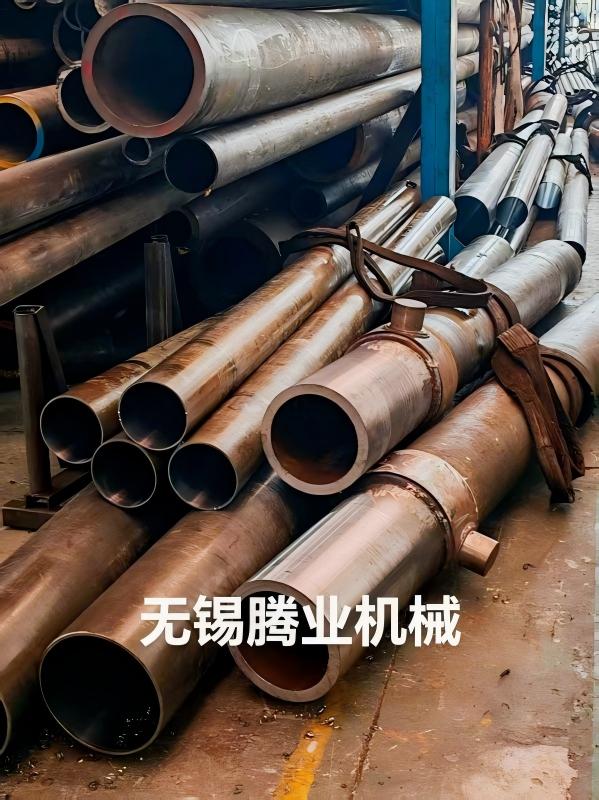
Steel tubes, as important structural and functional components, are widely used in various industrial fields. According to the manufacturing process, steel tubes can be divided into hot-rolled steel tubes and cold-drawn steel tubes. Compared with hot-rolled steel tubes, cold-drawn steel tubes are processed at room temperature (or slightly higher than room temperature but below the recrystallization temperature of steel), relying on external force to draw the steel tube billet through a die to obtain the required cross-sectional shape, size, and performance.
The cold drawing process not only improves the dimensional accuracy and surface quality of steel tubes but also refines the grain structure of the material, enhancing the mechanical properties such as strength and hardness. With the continuous upgrading of industrial technology, cold-drawn steel tubes have gradually replaced hot-rolled steel tubes in many high-precision application scenarios, becoming an indispensable key component in mechanical equipment, hydraulic systems, and precision instruments. However, due to the variety of cold-drawn steel tube materials, specifications, and quality levels, and the differences in application requirements of different industries, the rational selection and purchase of cold-drawn steel tubes have become crucial to ensuring project quality and production efficiency.
At present, there are many types of cold-drawn steel tubes on the market, and the quality varies greatly. A systematic analysis of the characteristics, applications, and purchasing points of cold-drawn steel tubes is of great significance for optimizing the selection of products, improving the reliability of equipment, reducing maintenance costs, and promoting the healthy development of the cold-drawn steel tube industry. This paper focuses on the core content of cold-drawn steel tubes, providing a comprehensive and in-depth professional analysis and practical guidance for relevant practitioners.
2. Core Characteristics of Cold-Drawn Steel Tubes
Cold-drawn steel tubes are distinguished from hot-rolled steel tubes by their unique cold drawing process, which endows them with excellent comprehensive performance. The core characteristics are mainly reflected in dimensional precision, surface quality, mechanical properties, material adaptability, and other aspects, which are the key reasons for their wide application in high-precision fields. The detailed characteristics are as follows:
2.1 High Dimensional Precision
Dimensional precision is one of the most prominent advantages of cold-drawn steel tubes. During the cold drawing process, the steel tube billet is forced to pass through a die with a fixed cross-sectional shape and size, which can strictly control the outer diameter, inner diameter, wall thickness, and ovality of the steel tube. The dimensional tolerance of cold-drawn steel tubes can reach GB/T 3639-2018 standard, and the precision level can be as high as H8-H10, which is far higher than that of hot-rolled steel tubes (usually H11-H13).
Key performance indicators include: (1) Outer diameter tolerance: generally ±0.02-0.10 mm, and can reach ±0.01 mm for high-precision products; (2) Inner diameter tolerance: ±0.03-0.15 mm, which can meet the matching requirements of precision components; (3) Wall thickness uniformity: the wall thickness difference of the same section is ≤0.05 mm, avoiding the uneven wall thickness problem of hot-rolled steel tubes; (4) Ovality: ≤0.03-0.08 mm, ensuring the roundness of the steel tube and facilitating assembly with other components.
2.2 Excellent Surface Quality
The cold drawing process is carried out at room temperature, and there is no oxidation reaction on the surface of the steel tube (unlike hot-rolled steel tubes which produce oxide scale at high temperatures). At the same time, the die and the steel tube billet are in close contact during the drawing process, which can smooth the surface of the steel tube and remove surface defects such as burrs, scratches, and pits.
The surface roughness of cold-drawn steel tubes is usually Ra 0.8-3.2 μm, and high-precision cold-drawn steel tubes can reach Ra 0.4-0.8 μm, which is much lower than that of hot-rolled steel tubes (Ra 6.3-12.5 μm). The smooth surface not only improves the appearance quality of the steel tube but also reduces the friction resistance during use, avoids the accumulation of impurities, and extends the service life of the steel tube and the matching components.
2.3 Superior Mechanical Properties
The cold drawing process belongs to cold working, which will cause plastic deformation of the steel tube material, refine the grain structure of the steel, and improve the mechanical properties such as strength, hardness, and wear resistance. Compared with hot-rolled steel tubes of the same material, the tensile strength of cold-drawn steel tubes is increased by 20%-40%, the yield strength is increased by 30%-50%, and the hardness (HB) is increased by 15%-30%.
At the same time, cold-drawn steel tubes have good ductility and toughness, and their elongation after fracture is generally ≥10%, which can meet the requirements of bending, stamping, and other secondary processing without cracking. The excellent mechanical properties make cold-drawn steel tubes able to withstand high pressure, high load, and frequent mechanical impact, which is suitable for harsh working environments such as hydraulic systems and mechanical transmission.
2.4 Strong Material Adaptability
Cold-drawn steel tubes can be processed with a variety of steel materials, including carbon steel, alloy steel, stainless steel, and special steel, to meet the different performance requirements of various application scenarios. Common materials include: (1) Carbon steel: Q195, Q235, 10#, 20#, 45#, etc., which are widely used in general mechanical equipment and low-pressure pipelines; (2) Alloy steel: 40Cr, 20CrMnTi, 35CrMo, etc., which have high strength and wear resistance, suitable for high-load components such as hydraulic cylinders and piston rods; (3) Stainless steel: 304, 316L, etc., which have good corrosion resistance, suitable for chemical, food, and marine environments; (4) Special steel: heat-resistant steel, wear-resistant steel, etc., suitable for high-temperature, high-wear scenarios.
2.5 Good Machinability
Due to the high dimensional precision and smooth surface quality of cold-drawn steel tubes, secondary processing such as cutting, drilling, tapping, and grinding can be directly carried out without additional processing (such as turning, planing) to correct the size and surface. This not only reduces the processing steps and processing time but also reduces the processing loss, improving production efficiency and reducing production costs. In addition, the uniform grain structure of cold-drawn steel tubes ensures stable processing performance, avoiding the problem of uneven processing quality caused by uneven material structure.
3. Applications of Cold-Drawn Steel Tubes
With their excellent comprehensive performance, cold-drawn steel tubes are widely used in mechanical manufacturing, automotive industry, hydraulic systems, aerospace, and other fields. The specific application scenarios are detailed as follows, combining their performance advantages and industry needs:
3.1 Mechanical Manufacturing Industry
The mechanical manufacturing industry is the largest application field of cold-drawn steel tubes. Cold-drawn steel tubes are used to manufacture key components of various mechanical equipment, relying on their high dimensional precision and excellent mechanical properties to ensure the stability and reliability of the equipment. Typical applications include:
- Hydraulic and Pneumatic Components: Hydraulic cylinders, piston rods, hydraulic pipelines, and pneumatic cylinders are all made of cold-drawn steel tubes. The high dimensional precision and smooth surface ensure the sealing performance of hydraulic and pneumatic systems, reduce oil leakage and air leakage, and improve the efficiency of the system. Common materials include 20#, 45#, 40Cr, etc.
- Mechanical Transmission Components: Shafts, sleeves, gears, and other transmission components are made of cold-drawn steel tubes. The high strength and wear resistance of cold-drawn steel tubes ensure the load-bearing capacity and service life of the transmission components, avoiding deformation and damage during operation.
- Precision Instruments and Equipment: Components of precision instruments, measuring tools, and experimental equipment are made of high-precision cold-drawn steel tubes. The high dimensional precision and stable performance ensure the accuracy and reliability of the instruments.
3.2 Automotive Industry
The automotive industry has strict requirements on the precision, strength, and reliability of components. Cold-drawn steel tubes are widely used in the manufacturing of automotive engines, chassis, and other key parts, playing an important role in improving the performance and safety of automobiles. Typical applications include:
- Engine Components: Engine camshafts, crankshafts, connecting rods, and fuel injection pipes are made of cold-drawn steel tubes. The high strength and wear resistance of cold-drawn steel tubes ensure the stable operation of the engine under high temperature and high load, reducing the failure rate.
- Chassis Components: Chassis axles, suspension rods, and brake pipelines are made of cold-drawn steel tubes. The high dimensional precision and toughness ensure the stability and safety of the chassis, improving the driving performance and safety of the automobile.
- Automotive Hydraulic Systems: Hydraulic power steering systems, brake hydraulic systems, and shock absorber pipelines are made of cold-drawn steel tubes. The smooth surface and good sealing performance ensure the stability and reliability of the hydraulic system.
3.3 Hydraulic and Pneumatic Industry
Hydraulic and pneumatic systems require pipelines and components to have high precision, good sealing performance, and high pressure resistance. Cold-drawn steel tubes are the preferred materials for hydraulic and pneumatic pipelines due to their excellent performance. Typical applications include:
- Hydraulic Pipelines: High-pressure hydraulic pipelines in construction machinery, industrial equipment, and marine engineering are made of cold-drawn steel tubes. The high strength and dimensional precision of cold-drawn steel tubes ensure that the pipelines can withstand high pressure (up to 35 MPa or higher) without leakage or burst.
- Pneumatic Pipelines: Pneumatic pipelines in automation production lines, pneumatic tools, and other equipment are made of cold-drawn steel tubes. The smooth surface reduces the resistance of air flow, improving the efficiency of the pneumatic system, and the good corrosion resistance ensures the service life of the pipelines.
3.4 Aerospace Industry
The aerospace industry has extremely strict requirements on the quality, precision, and performance of components. Cold-drawn steel tubes, especially high-precision cold-drawn alloy steel tubes and stainless steel tubes, are widely used in the manufacturing of aircraft, spacecraft, and other aerospace equipment. Typical applications include:
- Aircraft Hydraulic and Fuel Systems: Hydraulic pipelines, fuel pipelines, and oil return pipelines of aircraft are made of high-precision cold-drawn stainless steel tubes and alloy steel tubes. The high strength, corrosion resistance, and dimensional precision ensure the safety and reliability of the systems under extreme conditions (high altitude, low temperature, high pressure).
- Aerospace Structural Components: Lightweight structural components of spacecraft, such as brackets and connecting rods, are made of cold-drawn alloy steel tubes. The high strength and light weight of cold-drawn steel tubes help reduce the overall weight of the spacecraft and improve the load-bearing capacity.
3.5 Other Application Fields
In addition to the above fields, cold-drawn steel tubes are also widely used in the chemical industry, food industry, medical equipment, and construction industry: (1) Chemical industry: Corrosion-resistant cold-drawn stainless steel tubes are used to transport chemical media, avoiding corrosion and leakage; (2) Food industry: Sanitary-grade cold-drawn stainless steel tubes are used in food processing equipment and pipelines, ensuring food safety; (3) Medical equipment: High-precision cold-drawn steel tubes are used to manufacture medical instruments such as syringes and surgical instruments, ensuring precision and biocompatibility; (4) Construction industry: Cold-drawn steel tubes are used in building structures, decorative components, and water supply and drainage pipelines, with good appearance and durability.
4. Purchasing Guide for Cold-Drawn Steel Tubes
The quality of cold-drawn steel tubes directly affects the performance and service life of the final product. Therefore, scientific and rational purchasing is crucial. When purchasing cold-drawn steel tubes, it is necessary to comprehensively consider factors such as material, specification, quality, and supplier, and strictly follow the purchasing steps to ensure that the purchased products meet the actual application requirements. The detailed purchasing guide is as follows:
4.1 Clarify Application Requirements
Before purchasing cold-drawn steel tubes, it is first necessary to clarify the specific application scenarios and performance requirements, which is the basis for selecting materials and specifications. Key points to confirm include:
- Working Environment: Clarify the working temperature, pressure, medium (such as hydraulic oil, chemical media, water), and whether it is in a corrosive, high-wear, or other harsh environment, so as to select the appropriate material and surface treatment method.
- Performance Requirements: Determine the required mechanical properties (tensile strength, yield strength, hardness, elongation), dimensional precision (outer diameter, inner diameter, wall thickness tolerance), and surface quality (surface roughness), so as to select the appropriate product grade.
- Secondary Processing Requirements: Clarify whether the cold-drawn steel tube needs secondary processing such as bending, stamping, cutting, or welding, and select the appropriate material and ductility to avoid cracking or deformation during processing.
4.2 Select Appropriate Material
The material of cold-drawn steel tubes directly determines their performance and application scope. It is necessary to select the appropriate material according to the application requirements. Common materials and their application scenarios are as follows:
- Carbon Steel Cold-Drawn Tubes: Low cost, good machinability, and suitable for general mechanical equipment, low-pressure pipelines, and components that do not require high strength and corrosion resistance. Common grades: 10#, 20#, 45#. 10# and 20# are suitable for low-load components and pipelines; 45# is suitable for components that require certain strength and wear resistance, such as piston rods and shafts.
- Alloy Steel Cold-Drawn Tubes: High strength, wear resistance, and toughness, suitable for high-load, high-pressure, and high-wear scenarios. Common grades: 40Cr, 20CrMnTi, 35CrMo. 40Cr is suitable for hydraulic cylinders, piston rods, and other components; 20CrMnTi is suitable for gear shafts and transmission components; 35CrMo is suitable for high-temperature, high-pressure components.
- Stainless Steel Cold-Drawn Tubes: Good corrosion resistance, high temperature resistance, and hygiene, suitable for chemical, food, medical, and marine environments. Common grades: 304, 316L. 304 is suitable for general corrosion-resistant scenarios; 316L has better corrosion resistance, suitable for harsh corrosive environments (such as marine, chemical media).
4.3 Confirm Specifications and Dimensions
According to the application requirements, confirm the specifications and dimensions of the cold-drawn steel tube, including outer diameter, inner diameter, wall thickness, length, and tolerance level. Key points to pay attention to:
- Dimensions: Determine the outer diameter (OD), inner diameter (ID), and wall thickness (WT) according to the installation space and load requirements. The wall thickness should be selected according to the working pressure to ensure that the steel tube can withstand the required pressure without deformation or burst.
- Tolerance Level: Select the appropriate tolerance level according to the precision requirements. For general applications, H10 tolerance level is sufficient; for high-precision applications (such as hydraulic cylinders, precision instruments), H8-H9 tolerance level should be selected.
- Length: Determine the length of the steel tube according to the actual installation needs, and consider the processing margin for secondary processing. It is recommended to select the standard length (such as 6m, 12m) to reduce waste and cost.
4.4 Strict Quality Inspection
Quality inspection is the key link to ensure the quality of cold-drawn steel tubes. When purchasing, it is necessary to conduct strict inspection on the appearance, dimensions, mechanical properties, and chemical composition of the steel tubes. The key inspection items are:
- Appearance Inspection: Check whether the surface of the steel tube is smooth, free of burrs, scratches, pits, rust, and oxide scale; check whether the end face is flat and free of inclination and burrs.
- Dimensional Inspection: Use calipers, micrometers, gauges, and other tools to check the outer diameter, inner diameter, wall thickness, ovality, and straightness of the steel tube, ensuring that they meet the specified tolerance requirements.
- Mechanical Performance Inspection: Check the tensile strength, yield strength, hardness, and elongation of the steel tube according to the relevant standards. For key applications, it is necessary to require the supplier to provide a mechanical performance test report.
- Chemical Composition Inspection: Check the chemical composition of the steel tube to ensure that it meets the requirements of the selected material grade. For alloy steel and stainless steel, it is necessary to focus on checking the content of alloying elements (such as Cr, Mo, Ti).
- Non-Destructive Testing: For high-precision and high-reliability applications, non-destructive testing (such as ultrasonic testing, eddy current testing) should be carried out to check for internal defects (such as cracks, inclusions) of the steel tube.
4.5 Evaluate Suppliers
Selecting a reliable supplier is crucial to ensuring the quality and delivery time of cold-drawn steel tubes. When evaluating suppliers, the following factors should be considered:
- Qualification and Strength: Check the supplier’s production qualification, production scale, and technical level, including whether they have relevant certificates (such as ISO9001 quality management system certification), production equipment (such as cold drawing machines, precision testing equipment), and technical team.
- Product Quality and Reputation: Understand the supplier’s product quality reputation through market feedback, customer reviews, and sample testing; check whether the supplier has stable product quality and can provide consistent products.
- Delivery Capacity: Evaluate the supplier’s production cycle and delivery capacity to ensure that the products can be delivered on time according to the order requirements, avoiding affecting the production progress.
- After-Sales Service: Understand the supplier’s after-sales service policy, including product quality problems, return and exchange mechanisms, and technical support. A good after-sales service can solve the problems encountered in the use process in a timely manner.
- Price Competitiveness: On the premise of ensuring product quality, compare the prices of different suppliers to select products with high cost-effectiveness. It should be noted that the lowest price is not necessarily the best, and the comprehensive cost (including quality, delivery, after-sales) should be considered.
4.6 Pay Attention to Purchasing Notes
- When signing the purchase contract, clearly specify the material, specification, tolerance, quality requirements, delivery time, inspection standards, and after-sales service terms to avoid disputes.
- For large-batch purchases, it is recommended to conduct sample testing first, and confirm that the sample quality meets the requirements before purchasing in batches.
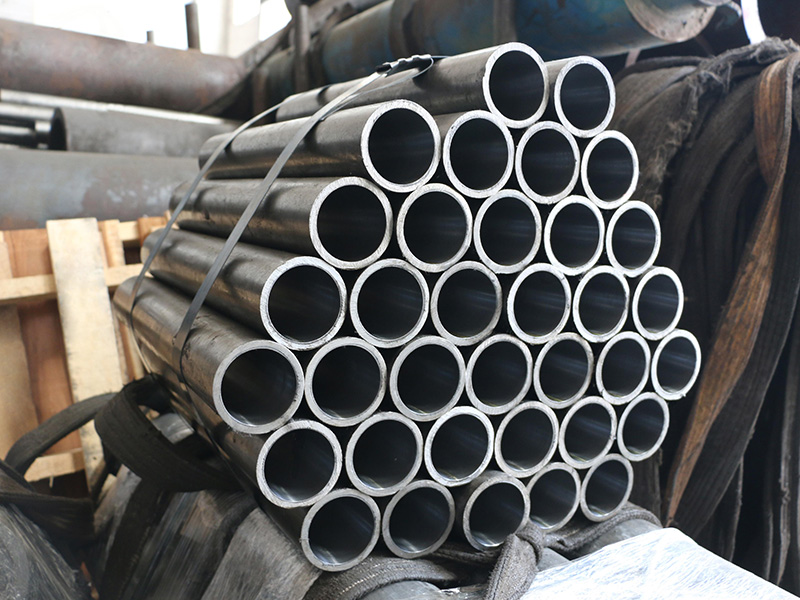
- Pay attention to the packaging and transportation of cold-drawn steel tubes. The steel tubes should be packaged with anti-rust paper, plastic film, or wooden boxes to avoid scratches, rust, and damage during transportation.
- After receiving the goods, conduct incoming inspection in a timely manner. If quality problems are found, contact the supplier in a timely manner to handle them according to the contract terms.
5. Conclusion
Cold-drawn steel tubes, as high-precision, high-performance steel products, have the characteristics of high dimensional precision, excellent surface quality, superior mechanical properties, strong material adaptability, and good machinability. They are widely used in mechanical manufacturing, automotive industry, hydraulic systems, aerospace, and other fields, playing an irreplaceable role in improving product quality, reducing production costs, and ensuring equipment reliability.
This paper systematically elaborates on the core characteristics of cold-drawn steel tubes, clarifies the formation mechanism of each characteristic, and details their targeted application scenarios in various industries, providing a basis for the rational selection of cold-drawn steel tubes. At the same time, the paper provides a comprehensive purchasing guide, including clarifying application requirements, selecting appropriate materials, confirming specifications and dimensions, strict quality inspection, evaluating suppliers, and purchasing notes, which is of great practical significance for relevant practitioners to purchase high-quality cold-drawn steel tubes.
With the continuous development of industrial technology, the demand for high-precision, high-performance cold-drawn steel tubes will continue to increase, and the cold-drawn steel tube industry will develop towards higher precision, more diversified materials, and more standardized production. For relevant practitioners, mastering the characteristics, applications, and purchasing points of cold-drawn steel tubes is crucial to optimizing product selection, improving production efficiency, and promoting the development of related industries. In the future, with the continuous innovation of cold drawing technology and the improvement of quality standards, cold-drawn steel tubes will play a more important role in the industrialization process.