1. Introduction
Internal combustion engines are widely used in automobiles, motorcycles, engineering machinery, ships, and other fields, playing an irreplaceable role in modern industrial production and daily life. The core working process of an internal combustion engine is to burn fuel in a closed chamber to generate high-temperature and high-pressure gas, which pushes the piston to do work and converts thermal energy into mechanical energy. This closed chamber is the cylinder, which is the foundation of the engine’s power output and the key to determining the engine’s comprehensive performance.
The cylinder is not a single component but a complex assembly composed of multiple parts that cooperate with each other. Its structural design must balance the requirements of high temperature resistance, high pressure resistance, wear resistance, and light weight; its classification type is determined by the engine’s application scenario, power demand, and structural layout. In recent years, with the tightening of global emission regulations and the development of new energy technologies, traditional internal combustion engines are facing severe challenges, and the optimization of cylinder technology has become an important way to improve engine efficiency and reduce emissions.
At present, there are various types of cylinders, and their structural characteristics and performance indicators vary significantly. A systematic analysis of the cylinder’s structure, classification, and key factors affecting engine performance is of great significance for optimizing engine design, improving product quality, reducing maintenance costs, and promoting the sustainable development of the internal combustion engine industry. This paper focuses on the core content of cylinders, providing a comprehensive and in-depth professional analysis for relevant practitioners.
2. Structural Composition of Engine Cylinders
The engine
cylinder is a integrated assembly composed of the cylinder block, cylinder liner, cylinder head, cylinder gasket, and other auxiliary components. Each part undertakes specific functions, and their coordinated work ensures the normal operation of the engine’s combustion process. The structural design of each component directly affects the cylinder’s sealing performance, heat dissipation effect, and service life.
2.1 Cylinder Block
The cylinder block is the base of the engine cylinder assembly, serving as the installation carrier for the cylinder liner, crankshaft, connecting rod, and other components, and bearing the mechanical load and thermal load generated during engine operation. It is usually a cast component with high structural strength and rigidity, and its structure is designed according to the engine’s cylinder arrangement (in-line, V-type, horizontally opposed, etc.).
Key structural characteristics of the cylinder block include: (1) Cylinder bores: The cylindrical holes opened on the cylinder block, where the cylinder liner is installed or directly processed to form the cylinder working surface; (2) Crankcase: The lower part of the cylinder block, used to install the crankshaft and store lubricating oil, with a sealed structure to prevent oil leakage; (3) Water jackets (for water-cooled engines) or cooling fins (for air-cooled engines): Used to dissipate the heat generated during fuel combustion, ensuring that the cylinder block works within the normal temperature range (80℃~100℃ for water-cooled engines); (4) Installation interfaces: Used to connect the cylinder head, oil pan, engine bracket, and other components, with high positioning accuracy to ensure the sealing and coaxiality of the entire assembly.
2.2 Cylinder Liner
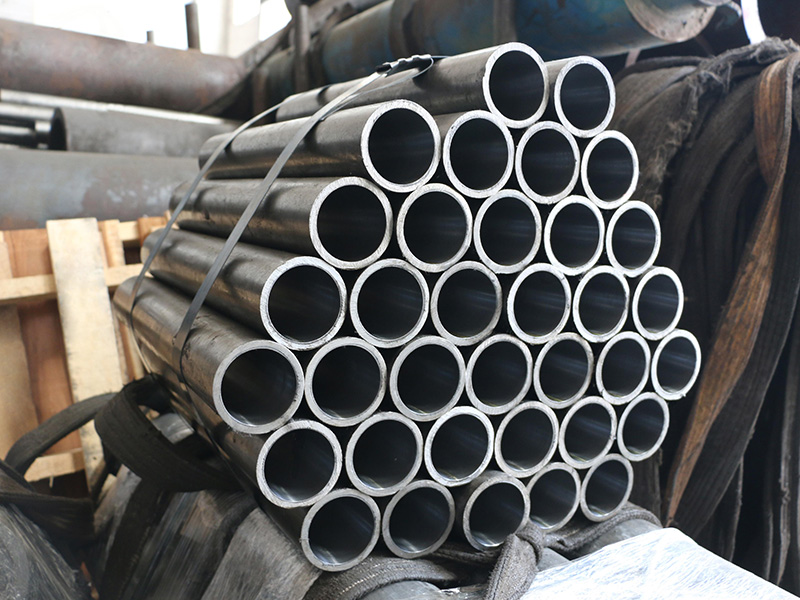
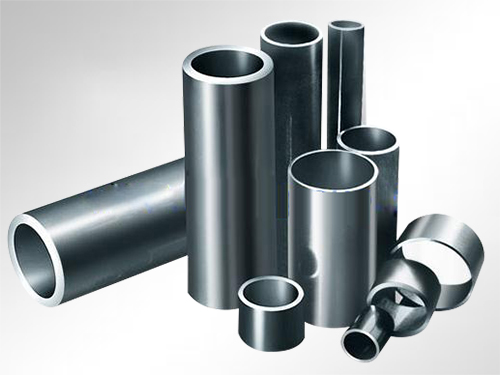
The cylinder liner is a cylindrical component installed in the cylinder bore of the cylinder block, forming the inner wall of the cylinder working chamber. Its main function is to provide a wear-resistant, high-temperature-resistant working surface for the piston and piston rings, reduce the wear of the cylinder block, and facilitate maintenance and replacement. According to the structural form, cylinder liners are divided into dry cylinder liners and wet cylinder liners.
Key characteristics of cylinder liners: (1) Material: Usually made of high-quality gray cast iron, alloy cast iron, or steel with high wear resistance and heat resistance, and the inner surface is treated with honing to improve surface roughness and lubrication performance; (2) Working surface: The inner surface is processed with cross-hatching (honing marks) to store lubricating oil, form an oil film, and reduce friction between the piston rings and the cylinder liner; (3) Sealing performance: The upper and lower ends of the cylinder liner are equipped with sealing rings to prevent the leakage of combustion gas and lubricating oil.
2.3 Cylinder Head
The cylinder head is installed on the top of the cylinder block, forming a closed combustion chamber together with the cylinder liner and piston. It is one of the key components bearing high temperature and high pressure, and its structure is closely related to the engine’s combustion efficiency and emission performance. The cylinder head is usually cast or forged, with complex internal structures such as intake ports, exhaust ports, spark plugs (for gasoline engines), or injectors (for diesel engines).
Core functions and structural characteristics: (1) Forming the combustion chamber: The bottom surface of the cylinder head is processed into a specific shape (wedge-shaped, hemispherical, pent-roof, etc.) to optimize the combustion process, improve fuel combustion efficiency, and reduce harmful emissions; (2) Installing key components: Equipped with intake valves, exhaust valves, valve seats, valve guides, spark plugs, injectors, and other components, controlling the intake, compression, power, and exhaust strokes of the engine; (3) Heat dissipation: The cylinder head is equipped with water jackets (for water-cooled engines) or cooling fins (for air-cooled engines) to dissipate the heat generated in the combustion chamber; (4) Sealing: The cylinder head is sealed with the cylinder block through a cylinder gasket to prevent the leakage of high-temperature and high-pressure gas, lubricating oil, and cooling water.
2.4 Auxiliary Components
In addition to the above core components, the cylinder assembly also includes auxiliary components such as cylinder gaskets, valve covers, and oil seals, which play an important role in ensuring the normal operation of the cylinder:
- Cylinder Gasket: Installed between the cylinder block and the cylinder head, with good sealing performance and high temperature resistance, used to seal the combustion chamber, cooling water channel, and oil channel, preventing gas, water, and oil leakage;
- Valve Cover: Installed on the top of the cylinder head, used to seal the valve mechanism, prevent dust and impurities from entering, and protect the valve, camshaft, and other components;
- Oil Seals: Installed at the front and rear ends of the cylinder block and the top of the cylinder head, used to seal the crankshaft, camshaft, and other rotating components, preventing lubricating oil leakage;
- Thermostat and Water Pump (for water-cooled engines): Cooperate with the water jacket of the cylinder block and cylinder head to control the cooling water circulation, ensuring the cylinder works within the optimal temperature range.
3. Classification of Engine Cylinders
Engine cylinders can be classified from multiple dimensions according to structural characteristics, arrangement mode, material type, cooling method, and other factors. Different types of cylinders have distinct characteristics and are suitable for different engine models and application scenarios. The specific classification is as follows:
3.1 Classification by Structural Form
According to the structural form of the cylinder liner, cylinders are mainly divided into two types: dry cylinder liner type and wet cylinder liner type:
- Dry Cylinder Liner Type: The cylinder liner is in close contact with the cylinder block’s cylinder bore, and there is no cooling water between the liner and the cylinder block. It has the advantages of simple structure, light weight, and high rigidity, but the heat dissipation effect is poor. It is mainly used in small-displacement gasoline engines and high-performance engines with strict weight requirements.
- Wet Cylinder Liner Type: The cylinder liner is surrounded by cooling water, and there is a gap between the liner and the cylinder block’s cylinder bore for cooling water circulation. It has the advantages of good heat dissipation effect, uniform temperature distribution, and easy replacement of the cylinder liner, but the structure is complex, and the rigidity is slightly lower than that of the dry cylinder liner type. It is widely used in diesel engines and large-displacement gasoline engines with high heat load.
3.2 Classification by Arrangement Mode
The arrangement mode of cylinders is determined by the engine’s overall layout and power requirements, and the main types include:
- In-Line Cylinders: All cylinders are arranged in a straight line along the engine’s crankshaft direction. It has the advantages of simple structure, small volume, low cost, and easy maintenance, but the length of the cylinder block is long, and the rigidity decreases with the increase of the number of cylinders. It is widely used in small and medium-displacement engines (3-cylinder, 4-cylinder, 6-cylinder).
- V-Type Cylinders: Cylinders are divided into two groups, arranged symmetrically at a certain angle (usually 60°, 90°, or 120°) on both sides of the crankshaft, forming a V-shape. It has the advantages of compact structure, short cylinder block length, high rigidity, and balanced operation, but the structure is complex and the cost is high. It is mainly used in large-displacement engines (8-cylinder, 12-cylinder) and high-performance vehicles.
- Horizontally Opposed Cylinders: Cylinders are arranged symmetrically on both sides of the crankshaft, with the cylinder axis parallel to the ground. It has the advantages of low center of gravity, good vehicle stability, balanced operation, and small vibration, but the structure is complex and the manufacturing difficulty is high. It is mainly used in sports cars and some special-purpose engines (such as Subaru, Porsche models).
- W-Type Cylinders: Cylinders are divided into four groups, arranged in a W-shape, which is equivalent to two V-type engines combined. It has the advantages of more compact structure and larger displacement, but the manufacturing precision is extremely high and the cost is very high. It is only used in a small number of high-end luxury cars and supercars (such as Volkswagen W12, W16 engines).
3.3 Classification by Material Type
The material of the cylinder (mainly the cylinder block and cylinder liner) directly affects its strength, wear resistance, heat resistance, and weight. The main material types include:
- Cast Iron Cylinders: The most commonly used material, including gray cast iron, nodular cast iron, and alloy cast iron. It has the advantages of high strength, good wear resistance, high temperature resistance, and low cost, but the weight is relatively large. It is widely used in diesel engines and traditional gasoline engines.
- Aluminum Alloy Cylinders: Made of aluminum alloy, with the advantages of light weight, good thermal conductivity, and low energy consumption, which can effectively reduce the overall weight of the engine and improve fuel efficiency. However, its wear resistance is poor, so it is usually necessary to install a cast iron or steel cylinder liner. It is widely used in modern small-displacement gasoline engines and hybrid vehicle engines.
- Composite Material Cylinders: Made of carbon fiber, ceramic, or other composite materials, with the advantages of ultra-light weight, high strength, and good heat resistance, but the cost is extremely high. It is mainly used in high-performance racing engines and special-purpose engines.
3.4 Classification by Cooling Method
According to the cooling method of the cylinder, it can be divided into water-cooled cylinders and air-cooled cylinders:
- Water-Cooled Cylinders: Equipped with water jackets around the cylinder block and cylinder head, and the cooling water circulates through the water pump to take away the heat generated by the cylinder. It has the advantages of uniform cooling, stable working temperature, and good adaptability to complex working conditions, and is widely used in most automotive and engineering machinery engines.
- Air-Cooled Cylinders: The outer surface of the cylinder block and cylinder head is equipped with dense cooling fins, and the heat is dissipated to the air through the flow of air (natural ventilation or forced ventilation by a fan). It has the advantages of simple structure, no cooling system failure, and good adaptability to low-temperature environments, but the cooling effect is poor, and the temperature distribution is uneven. It is mainly used in small-displacement engines (such as motorcycles, lawn mowers) and engines used in cold regions.
4. Key Factors of Cylinders Affecting Engine Performance
The cylinder, as the core component of the engine, has a decisive impact on the engine’s power output, fuel efficiency, emission performance, and service life. The key factors affecting engine performance from the perspective of cylinders mainly include structural design, material performance, manufacturing precision, and working environment. These factors interact with each other, and their rational matching is the key to improving the engine’s comprehensive performance.
4.1 Structural Design of Cylinders
The structural design of the cylinder is the foundation of engine performance, and the key design parameters include cylinder bore, stroke, compression ratio, combustion chamber shape, and cylinder arrangement:
- Cylinder Bore and Stroke: The cylinder bore is the diameter of the cylinder, and the stroke is the distance that the piston moves up and down in the cylinder. The product of the cylinder bore area and the stroke determines the engine displacement, which directly affects the engine’s power output. A larger bore and longer stroke can increase displacement and power, but will increase the engine’s weight and fuel consumption; a smaller bore and shorter stroke are conducive to reducing weight and improving fuel efficiency, but the power output is limited.
- Compression Ratio: The ratio of the total volume of the cylinder (when the piston is at the bottom dead center) to the combustion chamber volume (when the piston is at the top dead center). A higher compression ratio can improve the combustion efficiency of fuel, increase power output and fuel efficiency, but will easily cause detonation (for gasoline engines) or knock (for diesel engines), requiring higher material performance and fuel quality; a lower compression ratio is more stable, but the combustion efficiency is low.
- Combustion Chamber Shape: The shape of the combustion chamber (wedge-shaped, hemispherical, pent-roof, etc.) directly affects the mixing of fuel and air, the combustion speed, and the distribution of combustion products. A reasonable combustion chamber shape can promote the full mixing of fuel and air, accelerate combustion speed, reduce harmful emissions (such as NOₓ, CO, HC), and improve combustion efficiency.
- Cylinder Arrangement: As mentioned earlier, different cylinder arrangements (in-line, V-type, horizontally opposed) affect the engine’s compactness, rigidity, vibration, and power output. For example, V-type and horizontally opposed cylinders have better balance and smaller vibration, which is conducive to improving the engine’s stability and service life.
4.2 Material Performance of Cylinders
The material of the cylinder directly determines its ability to withstand high temperature, high pressure, and wear, and further affects the engine’s reliability and service life:
- High Temperature Resistance: The cylinder needs to withstand the high temperature (up to 2000℃) generated by fuel combustion, so the material must have good high-temperature strength and thermal stability, avoiding deformation or damage under high temperature.
- High Pressure Resistance: The pressure in the cylinder during the power stroke can reach 10-20 MPa (even higher for high-performance engines), so the material must have high tensile strength and fatigue strength to withstand the cyclic impact of high pressure.
- Wear Resistance: The inner surface of the cylinder is in continuous friction with the piston and piston rings during engine operation, so the material must have good wear resistance to reduce the wear of the cylinder liner and extend the service life of the cylinder assembly.
- Thermal Conductivity: Good thermal conductivity can quickly dissipate the heat generated in the cylinder, avoid local overheating, and ensure the cylinder works within the normal temperature range, which is conducive to improving the engine’s stability and reducing emissions.
4.3 Manufacturing Precision of Cylinders
The manufacturing precision of the cylinder directly affects its sealing performance, friction loss, and working stability, and is an important factor affecting engine performance:
- Dimensional Precision: The cylinder bore’s diameter, roundness, and cylindricity must meet strict precision requirements (usually within a few micrometers). If the dimensional error is too large, it will cause poor sealing between the piston rings and the cylinder liner, leading to gas leakage, reduced power, and increased fuel consumption.
- Surface Roughness: The inner surface of the cylinder liner (working surface) must have appropriate surface roughness. Too high roughness will increase friction loss and wear; too low roughness will reduce the oil storage capacity, leading to poor lubrication and increased friction.
- Positioning Precision: The coaxiality of the cylinder bore, the parallelism between the cylinder axis and the crankshaft axis, and the flatness of the cylinder block and cylinder head joint surface must meet high precision requirements to ensure the normal operation of the piston, connecting rod, and other components, and avoid abnormal wear and vibration.
4.4 Working Environment and Maintenance
The working environment of the cylinder and the quality of daily maintenance also have a significant impact on engine performance and service life:
- Working Temperature: If the cylinder works at an excessively high temperature for a long time, it will cause material fatigue, cylinder liner wear acceleration, and even cylinder sticking; if the temperature is too low, it will reduce fuel combustion efficiency, increase fuel consumption, and cause carbon deposition in the cylinder.
- Lubrication Condition: Good lubrication can form an oil film between the cylinder liner and piston rings, reduce friction and wear. If the lubricating oil is insufficient, deteriorated, or contains impurities, it will cause severe wear of the cylinder liner, piston, and piston rings, leading to cylinder scoring and other faults.
- Fuel Quality: The quality of fuel directly affects the combustion process of the cylinder. Impure fuel or fuel with improper octane number (for gasoline engines) or cetane number (for diesel engines) will cause incomplete combustion, carbon deposition, detonation, and other phenomena, increasing cylinder wear and reducing engine performance.
- Maintenance Level: Regular maintenance (such as replacing lubricating oil, cleaning the cylinder, checking the cylinder liner wear) can effectively extend the service life of the cylinder and ensure the stable operation of the engine. Neglect of maintenance will lead to the accumulation of faults and the rapid decline of engine performance.
5. Optimization Direction of Cylinder Design
To meet the requirements of high efficiency, low emission, and high reliability of modern engines, the design and manufacturing of cylinders are constantly optimized. The main optimization directions include:
- Lightweight Design: Adopting lightweight materials (such as aluminum alloy, composite materials) and optimizing the structural design (such as hollow cylinder block, integrated casting) to reduce the weight of the cylinder assembly, improve the engine’s power-to-weight ratio, and reduce fuel consumption.
- High-Precision Manufacturing: Using advanced manufacturing technologies (such as CNC honing, precision casting, laser processing) to improve the dimensional precision and surface quality of the cylinder, reduce friction loss, and improve sealing performance.
- Surface Treatment Technology: Adopting advanced surface treatment technologies (such as cylinder liner nitriding, chrome plating, ceramic coating) to improve the wear resistance, high temperature resistance, and corrosion resistance of the cylinder working surface, extending the service life of the cylinder.
- Combustion Chamber Optimization: Using CFD (Computational Fluid Dynamics) simulation technology to optimize the shape of the combustion chamber, improve the mixing efficiency of fuel and air, accelerate combustion speed, and reduce harmful emissions.
- Intelligent Monitoring: Installing sensors (such as temperature sensors, pressure sensors, wear sensors) in the cylinder to monitor the working status of the cylinder in real time, realize early warning of faults, and improve the reliability and maintainability of the engine.
6. Conclusion
The cylinder is the core component of internal combustion engines, and its structural composition, classification type, and key design parameters directly determine the engine’s power output, fuel efficiency, emission performance, and service life. This paper systematically analyzes the cylinder’s structural composition (cylinder block, cylinder liner, cylinder head, and auxiliary components), clarifies the functional role of each component, and classifies the cylinder from multiple dimensions such as structural form, arrangement mode, material type, and cooling method, providing a clear classification framework for the understanding of cylinder types.
Furthermore, this paper dissects the key factors affecting engine performance from the perspective of cylinders, including structural design, material performance, manufacturing precision, and working environment, and points out that the rational matching of these factors is the key to improving the engine’s comprehensive performance. Finally, the optimization direction of cylinder design is proposed, which provides a reference for the research and development, production, and maintenance of high-performance engines.
With the continuous development of internal combustion engine technology and the tightening of global emission regulations, the cylinder technology will continue to innovate. Lightweight, high-precision, high-efficiency, and low-emission will become the main development trends of cylinder design. For relevant practitioners, mastering the core knowledge of cylinders, understanding the key factors affecting engine performance, and grasping the latest optimization directions are crucial to improving the level of engine design, production, and maintenance.
In the future, with the integration of new technologies such as artificial intelligence, big data, and advanced manufacturing, the cylinder design and manufacturing will be more intelligent and precise, which will further promote the sustainable development of the internal combustion engine industry and provide strong support for the development of automotive and engineering machinery industries.