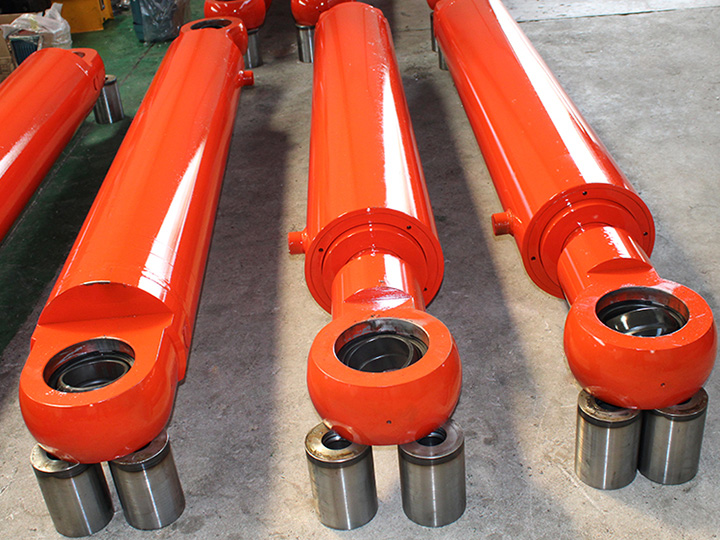
Plunger hydraulic cylinders (PHCs) are a specialized type of hydraulic actuator designed for high-pressure, heavy-load linear motion applications. Unlike piston cylinders, they feature a solid plunger that transmits force through direct hydraulic pressure, leveraging a simple structural design to achieve exceptional load-bearing capacity. Widely adopted in heavy machinery, construction, metallurgy, and marine engineering, plunger cylinders excel in scenarios requiring unidirectional force output and resistance to extreme pressure. This article comprehensively dissects the working principles, core characteristics, and typical application fields of plunger hydraulic cylinders, providing practical insights for engineers, procurement professionals, and maintenance technicians.
I. Working Principles of Plunger Hydraulic Cylinders
Plunger hydraulic cylinders operate based on Pascal’s Law, relying on the pressure of hydraulic fluid to drive a solid plunger and generate linear motion. Their working mechanism is distinguished by a unidirectional force output design, with a simplified structure that enhances reliability under high loads. Key details are as follows:
1. Core Structural Composition
The structure of a plunger hydraulic cylinder is relatively straightforward compared to piston cylinders, consisting of four essential components:
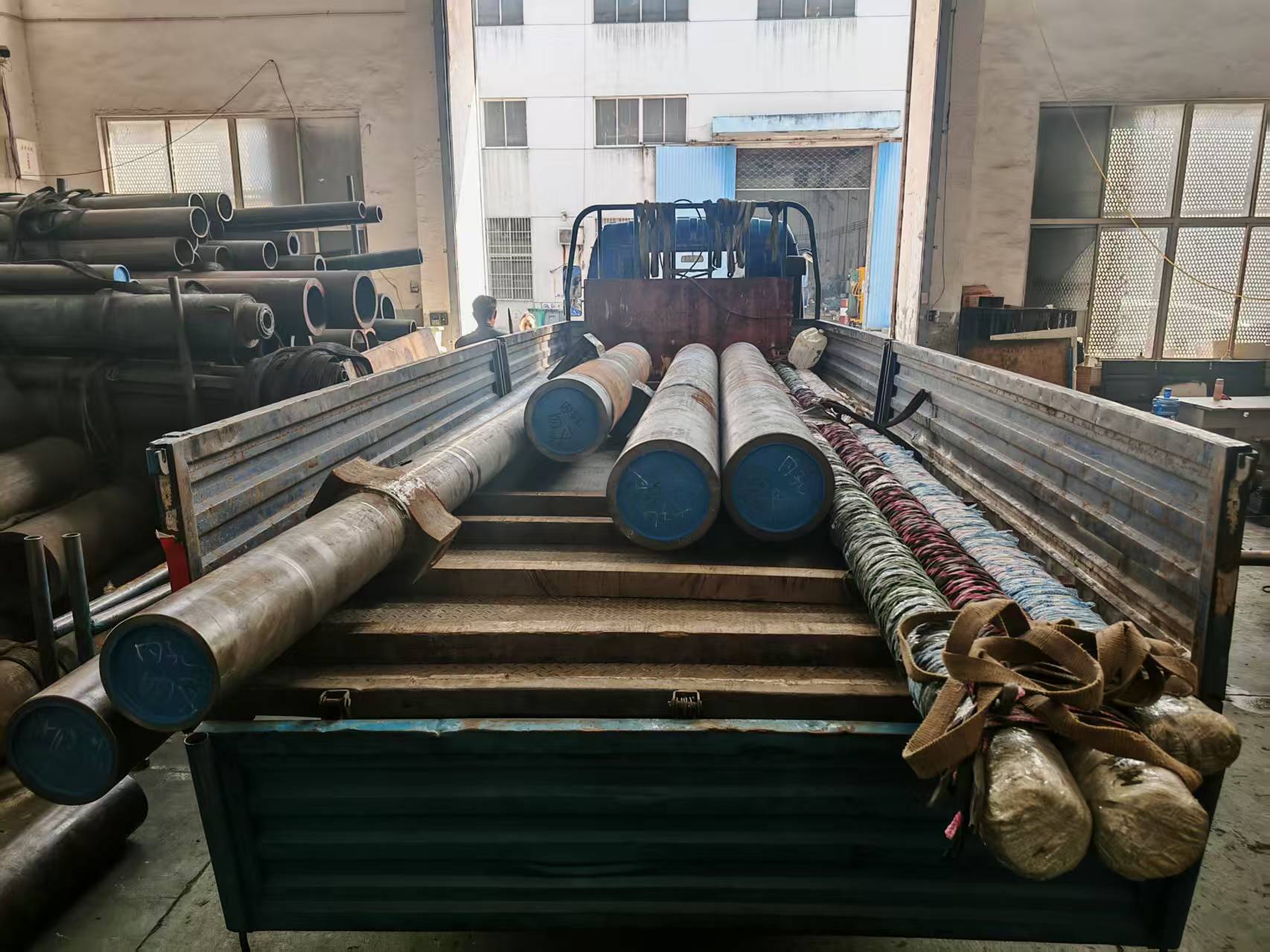
- Plunger: A solid cylindrical rod, typically made of high-strength alloy steel (e.g., 42CrMo) with hard chrome plating on the surface. It is the core force-transmitting component, with one end extending outward to connect the load and the other end sealed inside the cylinder barrel.
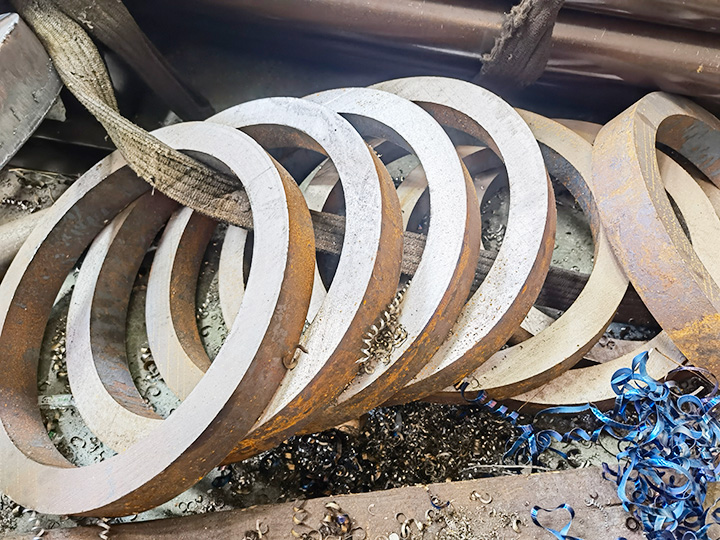
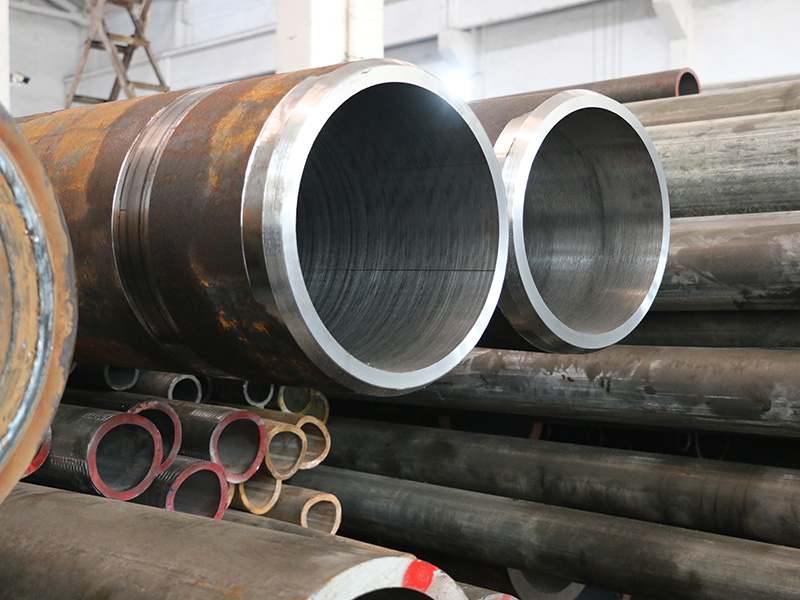
- Cylinder Barrel: A hollow cylindrical cavity, usually fabricated from seamless steel tubes or forged steel, with high dimensional accuracy and surface finish. It provides a sealed space for hydraulic fluid and guides the plunger’s linear movement.
- Sealing Components: Including static seals (between the cylinder end cap and barrel) and dynamic seals (around the plunger). Common materials are polyurethane (PU), fluorocarbon rubber (FKM), and nitrile rubber (NBR), selected based on operating pressure and temperature to prevent hydraulic fluid leakage.
- End Caps: Front and rear caps that seal the cylinder barrel. The rear cap is equipped with a hydraulic fluid inlet port, while the front cap integrates a seal assembly to accommodate the plunger’s movement. Some models add dust scrapers to protect seals from contamination.
2. Operational Mechanism
Plunger hydraulic cylinders are typically single-acting, with hydraulic fluid only driving the extension stroke, and the retraction stroke relying on external forces (e.g., gravity, load weight, or auxiliary springs). The working process is divided into two stages:
1. Extension Stroke: High-pressure hydraulic fluid is injected into the cylinder barrel through the inlet port on the rear cap. Under the action of fluid pressure, the plunger is pushed outward linearly, transmitting force to the external load. The output force is calculated as F = P × A, where P is the hydraulic fluid pressure and A is the cross-sectional area of the plunger.
2. Retraction Stroke: When the load needs to be lowered or the plunger reset, the hydraulic fluid in the cylinder barrel is discharged through a control valve. The plunger retracts into the cylinder barrel under the action of external forces (e.g., the weight of the load in lifting applications or a return spring in light-load scenarios). For bidirectional motion needs, double-acting plunger cylinders are available, which add a secondary hydraulic chamber to drive retraction, but this complicates the structure slightly.
II. Core Characteristics of Plunger Hydraulic Cylinders
Plunger hydraulic cylinders’ unique structural design endows them with distinct advantages and specific limitations, making them suitable for targeted application scenarios. The key characteristics are summarized below:
1. Key Advantages
- Exceptional Heavy-Load Capacity: The solid plunger structure and large cross-sectional area enable them to withstand extremely high hydraulic pressure (up to 70 MPa or higher) and output massive force (ranging from tens of kilonewtons to thousands of kilonewtons). This makes them ideal for heavy-load applications such as lifting, pressing, and forging.
- Simple Structure, High Reliability: With no piston or piston seals inside the cylinder barrel, the number of precision components is reduced, minimizing failure points. The design is resistant to wear and contamination, ensuring stable operation in harsh industrial environments with dust, debris, or vibration.
- Easy Manufacturing and Maintenance: The cylinder barrel and plunger have simple processing requirements compared to piston cylinders, lowering production costs. Daily maintenance mainly involves checking seal integrity and hydraulic fluid quality, with easy seal replacement and minimal downtime.
- Adaptability to Long Strokes: Plunger cylinders can be designed with long strokes (up to several meters) without compromising structural stability. The solid plunger has high rigidity, avoiding bending or deformation even in long-stroke applications such as hydraulic lifts and ship hatches.
2. Limitations
- Unidirectional Force Output (Standard Type): Most plunger cylinders are single-acting, relying on external forces for retraction. This limits their use in scenarios requiring bidirectional force output, where additional auxiliary mechanisms or double-acting designs (with higher costs) are needed.
- Lower Speed and Precision: Due to the large plunger mass and high load capacity, their movement speed is generally slower than piston cylinders. They also have lower positional accuracy, making them unsuitable for precision control applications such as automated assembly lines.
- Susceptible to Lateral Loads: The plunger is vulnerable to bending or damage if subjected to lateral forces (perpendicular to the plunger axis). Guide rails or support components are often required to ensure axial force transmission.
III. Typical Application Fields of Plunger Hydraulic Cylinders
Leveraging their heavy-load capacity and structural reliability, plunger hydraulic cylinders are widely used in industries requiring high-force linear motion. Typical application scenarios include:
1. Construction and Heavy Machinery
This is the largest application field for plunger hydraulic cylinders, where they handle heavy loads and harsh working conditions:
- Hydraulic Lifts and Elevators: Used in scissor lifts, hydraulic platforms, and freight elevators to lift heavy goods or personnel. The long-stroke capability and stable force output ensure safe and smooth lifting, even with full loads.
- Construction Equipment: Equipped in cranes, excavators, and bulldozers for functions such as extending booms, lifting arms, or stabilizing outriggers. The high-pressure resistance adapts to the dynamic loads of construction operations.
- Bridge and Building Construction: Used in formwork jacks, bridge jacking equipment, and precast component lifting. They provide precise, uniform force to avoid structural deformation of concrete or steel components.
2. Metallurgy and Forging Industry
Metallurgical processes require high-pressure, high-temperature resistance, making plunger cylinders an ideal choice:
- Steel Mills: Used in blooming mills, rolling mills, and continuous casting machines to clamp steel billets, adjust roller gaps, or lift heavy steel components. The simple structure resists high temperatures and iron oxide dust.
- Forging Equipment: Equipped in hydraulic presses and forging hammers to apply massive pressure (up to thousands of tons) for shaping metal workpieces. The solid plunger ensures stable force transmission during forging.
3. Marine and Offshore Engineering
Plunger cylinders adapt to the humid, corrosive marine environment and heavy-load requirements:
- Ship Equipment: Used to open/close ship hatches, adjust rudder angles, and lift anchor winches. Long-stroke models accommodate large hatch sizes, while corrosion-resistant materials (stainless steel, anti-corrosion coatings) withstand saltwater erosion.
- Offshore Platforms: Used in jack-up platforms to lift the platform above sea level, with plunger cylinders providing the massive force needed to support the platform’s weight and equipment.
4. Other Industrial Applications
- Mining Industry: Used in mine hoists, hydraulic supports, and ore processing equipment to lift heavy ore loads and stabilize mining machinery in underground or open-pit mines.
- Agricultural Machinery: Equipped in large agricultural equipment such as combine harvesters and tractor attachments to lift or adjust heavy components, with simple maintenance adapting to field environments.
- Energy and Power Industry: Used in hydropower stations to open/close sluice gates and adjust turbine components, with long-stroke and high-pressure capabilities meeting the requirements of large-scale water control projects.
IV. Key Selection and Maintenance Considerations
To maximize the performance and service life of plunger hydraulic cylinders, the following factors should be considered during selection and maintenance:
- Load and Pressure Requirements: Calculate the required output force and select a cylinder with a plunger diameter and rated pressure that provide a 20-30% safety margin. Ensure compatibility with the hydraulic system’s pressure range.
- Stroke and Installation Space: Determine the stroke length based on application needs, and select the appropriate installation type (flange, foot-mounted) to fit the equipment layout. For long strokes, add guide supports to prevent lateral loads.
- Seal and Material Selection: For high-temperature or corrosive environments, select FKM or HNBR seals and corrosion-resistant plunger materials (stainless steel, hard chrome plating). For heavy loads, choose high-strength alloy steel plungers.
- Regular Maintenance: Check seal integrity and hydraulic fluid quality weekly; replace worn seals and contaminated oil promptly. Lubricate the plunger surface regularly to reduce friction and extend seal life. Inspect for plunger bending or surface damage quarterly.
V. Conclusion
Plunger hydraulic cylinders, with their simple structure, exceptional heavy-load capacity, and high reliability, are indispensable components in heavy-industry applications requiring unidirectional linear motion. Their unique advantages make them the preferred choice for construction, metallurgy, marine, and mining industries, where stability and load-bearing capability take precedence over speed and precision.
As hydraulic technology advances, plunger cylinders are evolving toward higher pressure resistance, corrosion resistance, and integration with intelligent control systems (e.g., pressure sensors for real-time monitoring). For engineering and procurement professionals, a thorough understanding of their working principles, characteristics, and application scenarios is crucial to selecting the optimal model, optimizing equipment performance, and reducing long-term operational costs. By leveraging their strengths and mitigating limitations through proper selection and maintenance, plunger hydraulic cylinders can deliver consistent, reliable performance in the most demanding industrial environments.