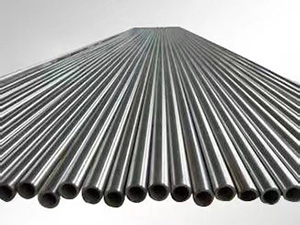
Hydraulic elevators are vertical transportation devices that rely on hydraulic fluid pressure to drive the lifting mechanism, converting hydraulic energy into mechanical lifting force. Compared with traction elevators, they feature unique structural characteristics and performance advantages, making them irreplaceable in specific scenarios such as low-rise buildings, heavy-load transportation, and harsh environments. Widely used in civil construction, industrial workshops, medical institutions, and logistics warehouses, hydraulic elevators play a crucial role in ensuring efficient, safe, and stable vertical transportation. This article comprehensively analyzes the core advantages of hydraulic elevators, explores their typical application scenarios, and briefly introduces key technical supports, providing practical references for engineers, construction managers, and procurement professionals.
I. Core Advantages of Hydraulic Elevators
Hydraulic elevators gain market recognition due to their inherent structural advantages, which balance load capacity, safety, space adaptability, and operational stability. Their core advantages are detailed as follows:
1. Excellent Heavy-Load Capacity and Stable Operation
The hydraulic drive system relies on Pascal’s Law, generating large lifting force through the pressure of hydraulic oil acting on the piston. This enables hydraulic elevators to easily handle heavy loads that are difficult for traction elevators of the same specifications. Typical load capacities range from 1,000 kg to 10,000 kg, and customized models can reach higher values. During operation, the hydraulic system provides uniform force transmission, avoiding the jitter and impact common in traction elevators, ensuring extremely stable lifting and lowering. This stability is particularly critical for transporting fragile goods, precision equipment, or ensuring passenger comfort in medical scenarios.
2. Superior Space Utilization
Unlike traction elevators that require a dedicated machine room and complex hoisting mechanisms, most hydraulic elevators adopt a machine-room-less design. The core components (hydraulic pump station, oil cylinder, control cabinet) can be installed in the hoistway side, basement, or adjacent small space, significantly reducing the occupied area. Additionally, hydraulic elevators have lower requirements for hoistway height and pit depth—pit depth is usually 150-500 mm (compared to 1,500-2,000 mm for traction elevators), and the top floor height only needs to meet basic installation space. This advantage makes them ideal for renovation projects, low-rise buildings, and scenarios with limited space layout.
3. High Safety Performance with Multiple Protection Mechanisms
Hydraulic elevators have inherent safety characteristics and are equipped with multiple active and passive protection devices to eliminate operational risks:
- Inherent Anti-Fall Performance: The hydraulic system has self-locking ability—if a pipe bursts or oil leaks, the one-way valve and overflow valve will immediately cut off the hydraulic circuit, preventing the car from falling, which is more reliable than the traction elevator’s brake system in extreme cases.
- Multiple Safety Devices: Standard configurations include overload protectors, emergency stop buttons, oil temperature monitors, and anti-collision buffers. Advanced models are also equipped with hydraulic oil pollution detectors and real-time pressure monitoring systems to identify potential faults in advance.
- Emergency Rescue Convenience: In the event of a power outage, the manual pump can be activated to lower the car to the nearest floor, ensuring the safe evacuation of passengers or goods without relying on emergency power supplies.
4. Simple Installation, Low Maintenance Costs
The structural composition of hydraulic elevators is relatively simple, with fewer precision components compared to traction elevators. The installation process involves fewer steps, shorter construction cycles, and lower requirements for on-site construction conditions—suitable for both new buildings and old building renovations. In terms of maintenance, hydraulic systems have mature technology and low failure rates; daily maintenance mainly includes checking oil level, oil quality, and seal integrity, with no need for frequent replacement of complex mechanical parts. This reduces long-term operation and maintenance costs, especially for scenarios with limited maintenance budgets.
5. Strong Environmental Adaptability
Hydraulic elevators can adapt to a variety of harsh operating environments through structural optimization and material selection:
- Extreme Temperature Resistance: By selecting high-temperature or low-temperature resistant hydraulic oil and seals, hydraulic elevators can operate normally in environments ranging from -20℃ to 60℃, suitable for outdoor installations, cold storage, and high-temperature workshops.
- Corrosion Resistance: Using stainless steel oil cylinders, anti-corrosion coated components, and waterproof electrical systems, they can adapt to humid, corrosive environments such as coastal buildings, chemical workshops, and outdoor parking lots.
- Low Noise Operation: The hydraulic pump station can be installed in a separate sound insulation room, and the car operation is almost silent, meeting the noise requirements of hospitals, office buildings, and residential areas.
6. Flexible Customization Capabilities
Hydraulic elevators support a high degree of customization to meet the specific needs of different scenarios. The car size, load capacity, lifting speed, and door opening method can be tailored according to actual requirements. For example, in industrial scenarios, large-format cars and side-opening doors can be customized to facilitate the transportation of large equipment; in medical scenarios, barrier-free designs and slow-start/slow-stop functions can be added to meet the needs of disabled patients and medical stretchers.
II. Typical Application Scenarios of Hydraulic Elevators
The unique advantages of hydraulic elevators make them widely used in multiple fields, especially in scenarios that require heavy loads, space saving, and high stability. Typical application scenarios are as follows:
1. Low-Rise Civil Buildings
Hydraulic elevators are the preferred choice for low-rise buildings (1-6 floors) due to their space-saving and cost-effective characteristics:
- Residential Buildings: Suitable for villas, townhouses, and low-rise residential complexes. The machine-room-less design and shallow pit requirements avoid occupying valuable living space, and the stable operation ensures resident comfort. Customized small-sized cars can fit narrow hoistways in old residential renovations.
- Office Buildings and Commercial Complexes: Used in low-rise office buildings, shopping malls, and supermarkets. The silent operation and fast passenger evacuation capabilities meet the daily use needs of commercial venues, and the heavy-load capacity can handle the transportation of goods and equipment.
2. Industrial and Warehousing Scenarios
Industrial environments have high requirements for load capacity and environmental adaptability, making hydraulic elevators an ideal choice:
- Factories and Workshops: Used for transporting heavy equipment, raw materials, and finished products. For example, in automobile factories, hydraulic elevators transport engine blocks and body components; in machinery processing workshops, they move large workpieces between floors. The heavy-load capacity and stable operation prevent damage to precision equipment.
- Logistics Warehouses and Distribution Centers: Equipped in multi-layer warehouses to realize vertical transportation of goods. The large car size and fast lifting speed improve logistics efficiency, and the emergency rescue function ensures that goods can be safely transferred even in power outages. Some models are equipped with anti-slip floors and cargo fixing devices to enhance transportation safety.
3. Medical and Elderly Care Institutions
Medical and elderly care scenarios have strict requirements for elevator safety, stability, and comfort, which are fully met by hydraulic elevators:
- Hospitals: Used for transporting patients (stretchers, wheelchairs), medical equipment, and drugs. The slow-start/slow-stop function and stable operation avoid aggravating patient discomfort; the barrier-free design (wide door opening, low threshold) facilitates the passage of stretchers and wheelchairs. The high safety performance ensures that patients are not endangered in extreme cases.
- Nursing Homes and Elderly Care Communities: The stable operation and simple operation interface are suitable for the elderly. The emergency call system and manual rescue function provide double guarantees for the safety of the elderly, and the low noise operation creates a quiet living environment.
4. Outdoor and Special Environment Scenarios
Thanks to their strong environmental adaptability, hydraulic elevators are widely used in outdoor and special environments:
- Outdoor Parking Lots: Installed in multi-layer outdoor parking lots to transport vehicles between floors. The corrosion-resistant components and waterproof design adapt to wind, rain, and ultraviolet radiation, and the heavy-load capacity (up to 5,000 kg) can easily handle passenger cars and SUVs.
- Cold Storage and High-Temperature Workshops: In cold storage (-10℃ to -20℃), hydraulic elevators use low-temperature resistant hydraulic oil and seals to ensure normal operation; in high-temperature workshops (40℃ to 60℃), heat dissipation systems are added to prevent hydraulic oil overheating.
- Chemical and Coastal Areas: Using anti-corrosion materials and explosion-proof electrical systems, hydraulic elevators adapt to corrosive gas and humid environments in chemical plants and coastal buildings, ensuring safe and stable operation for a long time.
5. Other Specialized Scenarios
- Stage and Performing Arts Venues: Customized hydraulic elevators are used as lifting platforms for stages, realizing the lifting of performers, props, and musical instruments. The precise speed control and stable operation meet the performance needs, and the silent design avoids affecting the performance effect.
- Disabled Accessibility Projects: Installed in public buildings (libraries, museums, government buildings) as barrier-free elevators. The wide door opening, low threshold, and simple operation interface facilitate the use of disabled people, complying with accessibility design standards.
III. Key Technical Supports for Hydraulic Elevators
The excellent performance of hydraulic elevators relies on mature core technologies, mainly including:
- Hydraulic Drive System: The core consists of a hydraulic pump station, oil cylinder, and control valve. Variable displacement pumps are used to adjust the lifting speed, reducing energy consumption; high-precision control valves ensure stable pressure output and speed regulation.
- Sealing Technology: High-quality seals (fluorocarbon rubber, polyurethane) are used to prevent hydraulic oil leakage, ensuring system efficiency and environmental friendliness. Wear-resistant and high-temperature resistant seals extend the service life of the oil cylinder.
- Intelligent Control System: Modern hydraulic elevators are equipped with PLC control systems, realizing automatic floor alignment, overload alarm, and fault self-diagnosis. Some advanced models support remote monitoring, enabling maintenance personnel to check the operation status in real time.
IV. Conclusion
Hydraulic elevators, with their outstanding advantages of heavy-load capacity, space saving, high safety, and strong environmental adaptability, have become an indispensable vertical transportation solution in low-rise buildings, industrial scenarios, and special environments. Their simple installation, low maintenance costs, and flexible customization capabilities further expand their application scope, meeting the diverse needs of civil, industrial, medical, and other fields.
With the development of hydraulic technology and intelligent control, hydraulic elevators are constantly evolving toward energy saving, intelligence, and environmental protection—such as the application of energy-saving hydraulic pumps, biodegradable hydraulic oil, and intelligent fault prediction systems. For engineering and procurement professionals, a thorough understanding of the core advantages and application scenarios of hydraulic elevators is crucial to selecting the optimal vertical transportation solution, improving operational efficiency, and ensuring long-term safety and stability.