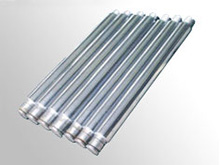
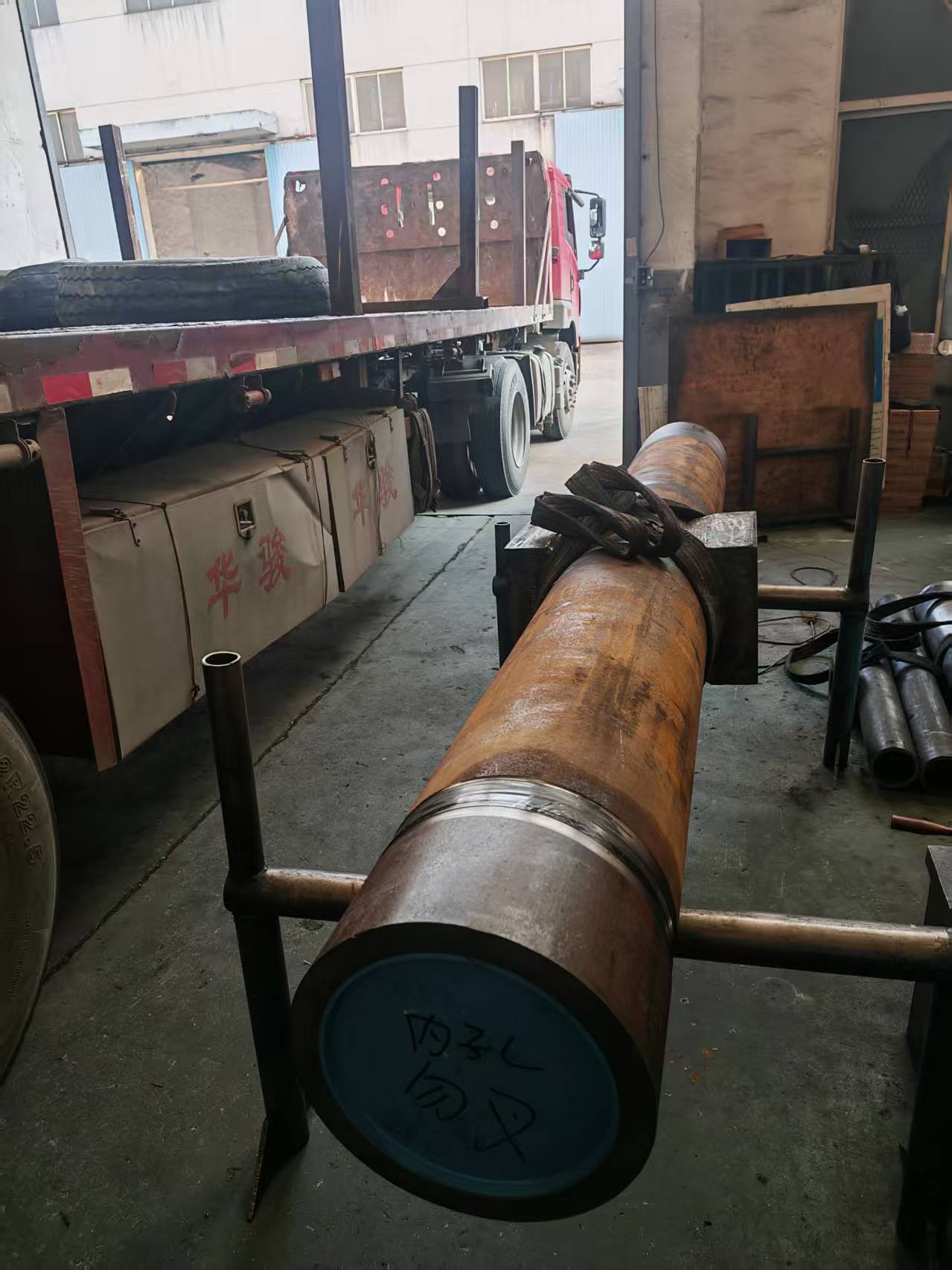
Cylinders are core fluid power components that convert compressed gas (or hydraulic fluid) energy into linear mechanical motion, serving as the ""muscles"" of automated industrial systems. Characterized by simple structure, reliable operation, fast response, and low maintenance costs, they are widely used in automation, manufacturing, automotive, and construction industries. Unlike complex hydraulic systems, pneumatic cylinders (the most common type) rely on compressed air, making them energy-efficient and environmentally friendly for most linear motion tasks. This article comprehensively explores the structural principles, classification of cylinder types, and typical application fields, providing a practical reference for engineers, technicians, and procurement professionals.
I. Core Structural Principles of Cylinders
Cylinders operate based on the principle of gas expansion and pressure difference, converting fluid energy into mechanical motion through a closed cavity and movable components. The basic structure and working mechanism are consistent across most types, with key details as follows:
1. Basic Structural Components
A standard pneumatic cylinder consists of six essential components, each playing a critical role in motion transmission and operational stability:
- Cylinder Barrel: The main body of the cylinder, typically made of aluminum alloy, stainless steel, or carbon steel. It provides a sealed cavity for compressed air and guides the piston’s linear movement, requiring high dimensional accuracy and surface finish to reduce friction.
- Piston: A movable component inside the cylinder barrel, dividing the barrel into two separate air chambers (rod chamber and rodless chamber). It is usually equipped with sealing rings to prevent air leakage between the two chambers, ensuring efficient pressure conversion. The piston material is often aluminum alloy or engineering plastic, balanced for light weight and durability.
- Piston Rod: Mechanically connected to the piston, extending through one end of the cylinder to transmit linear force to external loads. It is made of high-strength steel (e.g., 45# steel, stainless steel) with hard chrome plating to resist wear and corrosion. The rod’s straightness and surface smoothness directly affect sealing performance and service life.
- End Caps (Front and Rear): Sealed covers at both ends of the cylinder barrel, with air inlets/outlets (ports) to control air flow. The front end cap is equipped with a rod seal to prevent air leakage around the piston rod, while the rear end cap may integrate a buffer mechanism. End caps are usually bolted or welded to the cylinder barrel for easy maintenance.
- Sealing Components: Critical for airtightness, including piston seals (O-rings, U-cups), rod seals, and end cap seals. Common materials include nitrile rubber (NBR), polyurethane (PU), and fluorocarbon rubber (FKM), selected based on operating temperature, pressure, and environmental conditions.
- Accessories: Optional components to optimize performance, such as buffer devices (hydraulic buffers, rubber buffers) to reduce impact at stroke ends, magnetic switches to detect piston position, and guide sleeves to enhance piston rod stability.
2. Working Mechanism
The working process of a cylinder relies on controlling the inlet and outlet of compressed air to create pressure differences, driving the piston and piston rod to move linearly. Taking the most common double-acting cylinder as an example:
1. Extension Stroke: Compressed air (typically 0.4-0.8 MPa) is introduced into the rodless chamber (rear end) through the air inlet. The pressure acts on the piston, generating a pushing force that overcomes the load resistance and drives the piston rod to extend outward. Simultaneously, air in the rod chamber (front end) is exhausted through the outlet, ensuring unobstructed movement.
2. Retraction Stroke: By reversing the air flow via a solenoid valve, compressed air is introduced into the rod chamber, and the rodless chamber is exhausted. The pressure difference pushes the piston back, retracting the piston rod to its initial position. The retraction force is usually smaller than the extension force due to the reduced effective area of the piston (occupied by the piston rod).
For single-acting cylinders, only one air chamber is used for driving, and the piston is reset by a spring or external load, simplifying structure but limiting output force and stroke length.
II. Classification of Cylinders by Type
Cylinders are classified into various types based on structure, function, and application scenarios, each with unique characteristics and scope of use. The main classifications are as follows:
1. By Action Type
- Single-Acting Cylinders (SAC): Only one air port is provided to drive the piston in one direction (extension or retraction), with reset achieved by a built-in spring or external force (gravity, load). Advantages: Simple structure, low cost, and energy-saving (air consumption only for one stroke). Disadvantages: Uneven output force, limited stroke length, and spring fatigue over time. Suitable for lightweight, short-stroke applications (e.g., clamping, lifting small workpieces, valve control).
- Double-Acting Cylinders (DAC): Equipped with two air ports, using compressed air to drive both extension and retraction strokes. Advantages: Balanced, stable output force in both directions, adjustable stroke speed, and long service life. Disadvantages: Slightly higher air consumption and complex control. This is the most widely used type in industrial automation (e.g., assembly lines, material handling, stamping).
2. By Structural Form
- Piston Cylinders: The most common type, with a piston as the core moving component. Available in single/double-acting designs, suitable for most linear motion tasks. Cylinder barrels can be round, square, or rectangular, with bore sizes ranging from 6 mm to 320 mm and strokes up to 5 meters.
- Diaphragm Cylinders: Replace the piston with a flexible diaphragm (rubber, plastic) to separate air chambers. No piston rod is required, ensuring zero leakage and suitability for clean environments. Advantages: Simple structure, maintenance-free, and corrosion-resistant. Disadvantages: Low output force and short stroke. Used in food processing, medical equipment, and chemical industries.
- Telescopic Cylinders (Multi-Stage Cylinders): Composed of multiple nested piston rods (stages) to achieve long strokes in a compact retracted length. Output force decreases with each extended stage (reduced effective area). Suitable for applications with limited installation space and long stroke requirements (e.g., dump trucks, lifting platforms, door openers).
- Rodless Cylinders: No exposed piston rod; linear motion is transmitted via a slider or carriage attached to the internal piston. Advantages: Space-saving, long stroke, and high rigidity. Common types include magnetic coupling rodless cylinders and cable-driven rodless cylinders. Used in semiconductor equipment, packaging machinery, and linear transport systems.
- Rotary Cylinders: Convert linear air pressure into rotational motion (angular stroke, typically 90°, 180°, or 360°). Suitable for clamping, flipping, and valve switching applications (e.g., CNC machine tool fixtures, conveyor belt diverters).
3. By Special Function
- Buffer Cylinders: Integrate hydraulic buffers or adjustable air cushions at stroke ends to reduce impact and noise, protecting the cylinder and workpiece. Used in high-speed, heavy-load applications (e.g., stamping, material handling).
- High-Speed Cylinders: Optimized for fast response and high movement speed (up to 5 m/s), with streamlined internal structure and low-friction seals. Suitable for automated sorting lines and rapid packaging equipment.
- Corrosion-Resistant Cylinders: Made of stainless steel, aluminum alloy with anti-corrosion coating, or plastic materials, with FKM seals. Used in humid, corrosive environments (e.g., marine equipment, chemical plants, food processing).
- Low-Temperature Cylinders: Equipped with low-temperature resistant seals (silicone rubber, HNBR) and frost-proof structures, suitable for operating temperatures as low as -40℃ (e.g., cold storage, refrigeration equipment).
III. Typical Application Fields of Cylinders
Cylinders are indispensable in almost all industrial sectors requiring linear or rotational motion, thanks to their reliability, cost-effectiveness, and easy integration. Typical application fields include:
1. Industrial Automation and Assembly Lines
The largest application field for cylinders, where they perform repetitive, precise motion tasks:
- Material Handling: Lifting, pushing, pulling, and transferring workpieces (e.g., conveyor belt loading/unloading, robotic arm auxiliary motion, palletizing).
- Precision Assembly: Press-fitting components, clamping workpieces, and positioning parts in electronic, automotive, and electrical assembly lines. Double-acting and buffer cylinders ensure stable, damage-free operation.
- Sorting and Packaging: Sorting products by size/weight, sealing packages, and labeling. Rodless cylinders and high-speed cylinders adapt to compact spaces and fast production cycles.
2. Automotive Manufacturing
Cylinders are used in multiple stages of automotive production, from stamping to final assembly:
- Stamping and Forming: Clamping metal sheets, driving stamping dies, and bending body components. High-pressure buffer cylinders handle heavy loads and reduce impact.
- Assembly and Welding: Positioning car bodies, clamping parts during welding, and press-fitting bearings, bushings, and tires. Corrosion-resistant cylinders adapt to workshop environments with welding fumes.
- Painting and Finishing: Controlling the movement of painting robots and workpiece holders, with sealed cylinders to prevent contamination of paint surfaces.
3. Mechanical Processing and Machine Tools
Cylinders provide clamping and auxiliary motion for machine tools, ensuring machining accuracy and efficiency:
- Workpiece Clamping: Holding workpieces on CNC lathes, milling machines, and grinding machines. Single-acting cylinders with spring reset are widely used for quick clamping and release.
- Tool Changing: Driving the tool changer of machining centers to switch cutting tools quickly and accurately. Rotary cylinders and telescopic cylinders enable multi-directional tool movement.
- Chip Removal: Pushing chips away from the machining area to avoid affecting workpiece quality, using small-bore single-acting cylinders.
4. Construction and Heavy Machinery
Cylinders (often hydraulic cylinders for heavy loads) are used in construction equipment for powerful linear motion:
- Earthmoving Equipment: Lifting and tilting buckets of excavators, extending arms of cranes, and adjusting the angle of bulldozer blades. Telescopic cylinders and high-pressure piston cylinders provide large output force.
- Construction Vehicles: Lifting dump truck beds, adjusting concrete pump booms, and operating aerial work platforms. Hydraulic cylinders with buffer devices ensure stable operation under heavy loads.
5. Other Specialized Fields
- Food and Beverage Industry: Packaging, filling, and sorting food products. Corrosion-resistant, cleanable cylinders (stainless steel, plastic) meet hygiene standards (FDA, 3-A).
- Medical Equipment: Adjusting the position of hospital beds, operating surgical instruments, and handling medical supplies. Quiet, precise cylinders with low friction are preferred to avoid disturbing patients.
- Aerospace and Defense: Controlling aircraft landing gear, adjusting missile guidance systems, and operating military equipment. High-precision, high-temperature resistant cylinders meet strict performance requirements.
- Textile Industry: Controlling the tension of yarns, adjusting fabric feeding, and operating weaving machines. Lightweight, fast-response cylinders adapt to high-speed textile production.
IV. Key Selection Considerations
To select the optimal cylinder for specific applications, consider the following factors to ensure compatibility and performance:
- Output Force and Pressure: Calculate the required force based on load weight and friction, selecting a cylinder with a bore size that provides a 20-30% safety margin. Match the cylinder’s rated pressure to the system’s compressed air pressure (typically 0.4-0.8 MPa).
- Stroke Length: Choose a stroke that covers the maximum working distance, plus a 5-10% buffer margin to avoid over-stroke damage. For limited space, select telescopic or rodless cylinders.
- Movement Speed: Adjust the air flow rate via flow control valves, or select high-speed cylinders for rapid motion. Ensure the cylinder’s speed range matches production cycle requirements (0.1-5 m/s for most applications).
- Environmental Conditions: For corrosive, humid, or low-temperature environments, select cylinders with appropriate materials (stainless steel, anti-corrosion coatings) and seals (FKM, HNBR).
- Control Requirements: Integrate magnetic switches for position detection, buffer devices for impact reduction, and solenoid valves for automatic control, ensuring compatibility with existing automation systems.
V. Conclusion
Cylinders are foundational components of industrial automation, offering a reliable, cost-effective solution for linear and rotational motion tasks. Their simple structure, easy maintenance, and versatile design make them indispensable across diverse sectors, from precision electronics assembly to heavy construction machinery.
A thorough understanding of cylinder structural principles and type classifications enables engineers to select the optimal model for specific applications, while proper integration and maintenance ensure long service life and operational stability. As industrial automation advances, cylinders continue to evolve toward higher precision, faster response, and smarter control (e.g., integrated sensors for real-time monitoring), further expanding their application potential in modern manufacturing systems.
For professionals in engineering and production, mastering cylinder technology is key to optimizing process efficiency, improving product quality, and maintaining a competitive edge in the rapidly evolving industrial landscape.